

What Is Hypoallergenic Dog Bedding? A Clear Guide
Hypoallergenic dog bedding is defined as sleep surfaces designed to minimize a dog’s exposure to common allergens, including dust mites, mold spores, dander, and chemical irritants found in standard bedding materials. The term “hypoallergenic” has no government-regulated standard in pet products, which means the label alone guarantees nothing. What actually matters is the specific construction: tightly woven fabrics, chemical-free fillings, and fully washable designs that work together to reduce allergen load. Breeds like Shar-peis, Bulldogs, Boxers, and West Highland Terriers are particularly prone to skin allergies and benefit most from this type of bedding.
What is hypoallergenic dog bedding and how does it work?
Hypoallergenic dog bedding reduces allergen exposure through three core design principles: material selection, construction quality, and cleanability. No single feature makes a bed hypoallergenic. The combination of all three is what separates a genuinely protective bed from one that simply carries a marketing label.
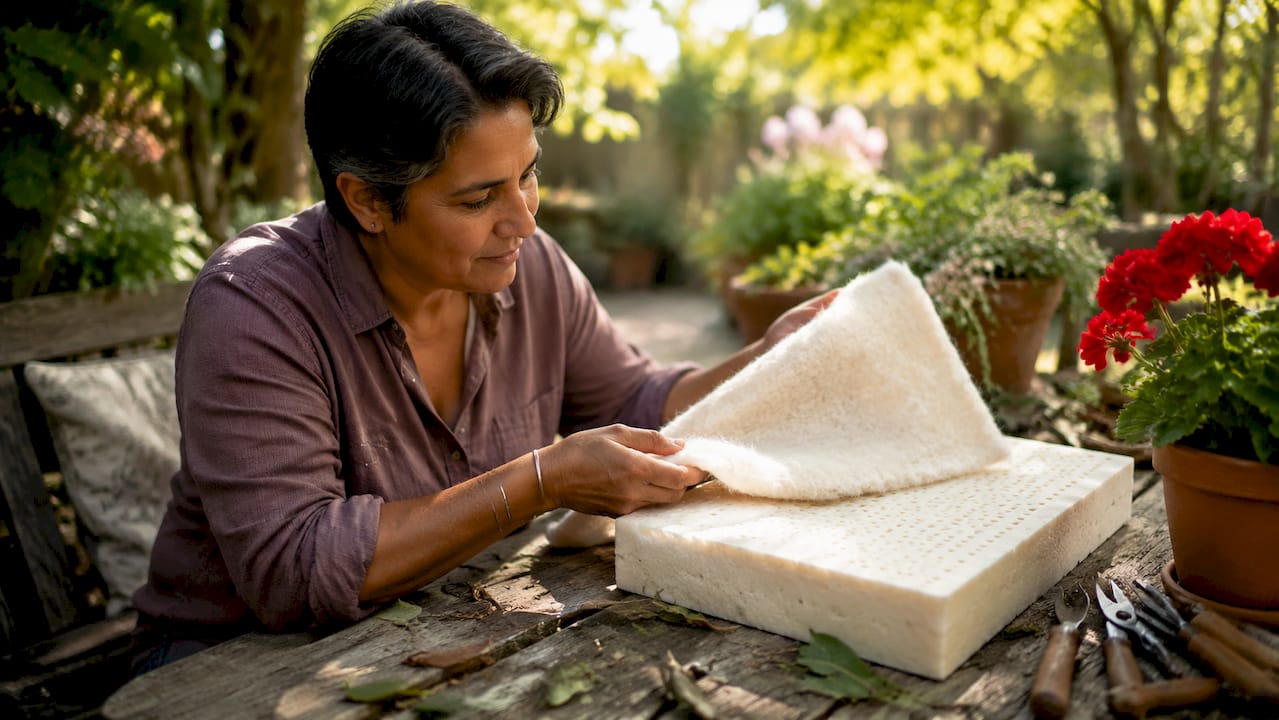
The term itself comes from human allergy medicine, where “hypoallergenic” describes products formulated to cause fewer allergic reactions. Applied to dog bedding, it describes beds built to limit the accumulation and release of allergens that trigger itching, inflammation, and respiratory irritation in sensitive dogs. Because no regulated standard exists for this claim in pet products, your job as a buyer is to look past the label and evaluate the actual construction traits.
The practical result for your dog is meaningful. A well-built hypoallergenic bed removes daily contact with the irritants most responsible for chronic skin flare-ups. For dogs that scratch, chew their paws, or wake frequently during the night, switching to a bed with the right materials and construction can break the cycle of constant allergen re-exposure that keeps symptoms active.
What materials are considered hypoallergenic for dog bedding?
Material choice is the foundation of any effective hypoallergenic pet bedding. Natural fibers with minimal processing consistently outperform heavily treated synthetics for allergy resistance, a fact that surprises many owners who assume modern synthetic fabrics are cleaner.
Here is how the most common materials compare:
- Organic cotton: Breathable, soft, and free from pesticide residues when certified by GOTS (Global Organic Textile Standard). Cotton’s tight weave physically blocks dust mites from burrowing into the fabric.
- Bamboo: Naturally antimicrobial and moisture-wicking, bamboo fabric resists mold and mildew growth. Look for Oeko-Tex Standard 100 certification to confirm no harmful dyes or finishes were used in processing.
- Natural latex: Dense and resistant to dust mites and mold by nature. Natural latex does not off-gas volatile organic compounds the way petroleum-based foams can, making it a safer fill for dogs with chemical sensitivities.
- Untreated wool: Wool naturally regulates temperature and resists dust mites. The key word is “untreated.” Wool processed with moth-proofing chemicals loses its hypoallergenic advantage entirely.
- Microfiber: A synthetic option that can work well when tightly woven, but quality varies widely. Cheap microfiber traps dander rather than repelling it.
Certifications cut through the noise. Oeko-Tex Standard 100 and GREENGUARD Gold are the two most reliable markers of low chemical content and safer materials. GREENGUARD Gold specifically certifies low chemical emissions, which matters for dogs that sleep with their faces pressed directly into their bedding. ISO-tested antimicrobial fiber treatments reduce bacteria by over 99.9%, adding another layer of protection for dogs with compromised skin barriers.
Pro Tip: Watch for greenwashing. A bed labeled “natural” or “eco-friendly” without a GOTS, Oeko-Tex, or GREENGUARD Gold certificate may still contain chemical finishes that irritate sensitive skin. Certifications are the only reliable shortcut.
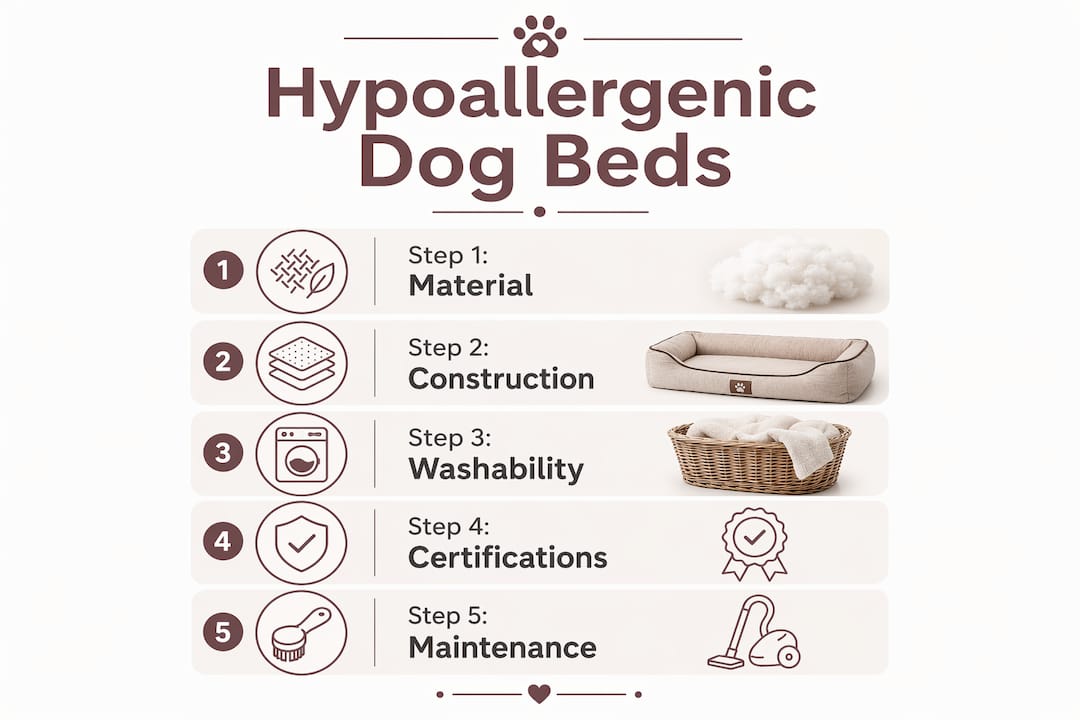
How do hypoallergenic dog beds reduce allergens and improve comfort?
The construction of a hypoallergenic dog bed determines how well it actually performs. Good materials in a poorly designed bed still leave gaps where allergens accumulate. Four specific construction features drive real-world allergen reduction.
- Tightly woven outer fabric. Thread count and weave density determine whether dust mites can penetrate the surface. A weave tight enough to block mite passage (typically under 10 microns in pore size) is the first physical barrier between your dog and the allergens living in the fill material.
- Impermeable or moisture-resistant liner. A liner between the outer cover and the fill prevents dander, saliva, and moisture from soaking into the core. Once moisture reaches the fill, mold and mite populations grow rapidly and become nearly impossible to eliminate through surface washing alone.
- Dense, antimicrobial fill. Memory foam and natural latex are both dense enough to resist dust mite colonization. Open-cell foam and loose fiber fills, by contrast, create the warm, humid microenvironments that mites prefer. Products like Vetbed Gold use Ultra-Fresh fiber technology that inhibits bacteria, fungi, mold, and mildew while actively starving dust mite populations.
- Minimal seams and covered zippers. Seams and exposed zippers are allergen traps. Dander and debris collect in stitching and zipper teeth, and standard washing rarely clears them completely. Beds with fewer seams and zipper guards are meaningfully easier to keep clean.
“Hypoallergenic dog beds help manage allergies by removing daily contact with irritants like dust mites and mold. The bed itself becomes part of the treatment environment, not just a comfort accessory.”
When all four features work together, the bed stops functioning as an allergen reservoir and starts functioning as a protective barrier. For dogs caught in a cycle of chronic itching and inflammation, this shift in their sleep environment is often the missing piece that other interventions, including diet changes and topical treatments, cannot address on their own. Learning more about choosing the right dog bed for your dog’s specific needs can help you match construction features to your dog’s allergy profile.
How to maintain hypoallergenic dog bedding for best allergy control
A hypoallergenic bed that is not cleaned regularly loses its protective function within weeks. Allergens accumulate faster than most owners expect, particularly in homes with multiple pets or high foot traffic.
Effective maintenance comes down to four non-negotiable habits:
- Wash covers weekly. Frequent laundering at high temperatures kills dust mites and removes dander before populations can reestablish. Hot water (at least 130°F) is the threshold temperature for effective mite elimination.
- Use pet-safe, fragrance-free detergent. Scented detergents and fabric softeners leave chemical residues that irritate sensitive skin. Fragrance-free, enzyme-based formulas clean effectively without adding new irritants.
- Dry completely before returning to use. Residual moisture in a bed’s fill creates the exact conditions mold and mites need to thrive. Air drying alone is rarely sufficient. A full dryer cycle on medium heat after washing is the reliable standard.
- Clean the full bed, not just the cover. Washing only the cover allows allergens to accumulate in the inner core over time. Beds with fully washable cores or built-in moisture barriers are the only designs that allow genuinely complete cleaning.
The health benefits of machine-washable beds go beyond convenience. A bed that cannot be fully laundered is a bed that cannot be kept truly clean, regardless of how good its materials are.
Pro Tip: Set a recurring weekly reminder to wash your dog’s bed cover and a monthly reminder to wash or inspect the core. Consistency matters more than any single deep clean.
Comparing popular hypoallergenic dog bed materials: pros and cons
Choosing between materials requires balancing allergen resistance, durability, comfort, and chemical safety. This table covers the five most common options.
| Material | Allergen resistance | Durability | Chemical safety | Best for |
|---|---|---|---|---|
| Organic cotton | High (tightly woven) | Moderate | High (GOTS certified) | Dogs with skin contact allergies |
| Bamboo | High (antimicrobial) | Moderate to high | High (Oeko-Tex certified) | Dogs prone to mold-related reactions |
| Natural latex fill | Very high | High | High (no off-gassing) | Dogs with dust mite or chemical sensitivities |
| Memory foam fill | High (dense structure) | High | Moderate (varies by brand) | Orthopedic needs plus allergy management |
| Untreated wool | High (natural mite resistance) | High | High (if truly untreated) | Dogs in cooler climates needing temperature regulation |
Memory foam deserves a specific note. Its density makes it resistant to mite colonization, but the chemical safety of memory foam varies significantly by manufacturer. Petroleum-based foams can off-gas compounds that irritate sensitive airways. GREENGUARD Gold certification is the clearest signal that a memory foam product meets low-emission standards. Natural latex, by contrast, is inherently low in volatile compounds and requires no certification to confirm that property, though third-party testing still adds confidence. For a broader look at how these materials translate into specific bed styles, the best dog bed types guide breaks down construction options across comfort, style, and durability dimensions.
Key takeaways
Hypoallergenic dog bedding works because it combines tightly woven fabrics, chemical-free fills, and fully washable construction to physically block and remove the allergens that drive chronic skin reactions in sensitive dogs.
| Point | Details |
|---|---|
| No regulated standard exists | Evaluate specific construction features, not just the “hypoallergenic” label on packaging. |
| Material choice drives performance | Organic cotton, bamboo, natural latex, and untreated wool outperform generic synthetics for allergen resistance. |
| Certifications confirm claims | Oeko-Tex Standard 100 and GREENGUARD Gold are the two most reliable markers of safe, low-chemical materials. |
| Full-bed washing is non-negotiable | Washing only the cover leaves allergens in the core; choose beds with fully washable or moisture-barrier designs. |
| Weekly cleaning sustains protection | High-temperature washing at 130°F or above eliminates dust mites and prevents allergen buildup over time. |
What I’ve learned from watching owners choose the wrong bed
I have seen the same mistake repeated more times than I can count. An owner buys a bed labeled “hypoallergenic,” their dog keeps scratching, and they conclude the whole category is a scam. The bed was not the problem. The label was.
The word “hypoallergenic” on a pet product is a marketing claim, not a specification. I have handled beds carrying that label that were filled with low-density polyester, stitched with exposed seams on every edge, and sold with covers that could not survive a hot wash cycle. None of those features reduce allergens. They just check a box that lets a brand charge more.
What actually works is specific and verifiable. A GOTS-certified organic cotton cover. A natural latex or high-density memory foam core with a GREENGUARD Gold certificate. A zipper guard. A fully removable and machine-washable inner liner. These are the features worth paying for, and they are features you can confirm before you buy.
The other thing I have learned is that maintenance discipline matters as much as the bed itself. I have seen genuinely well-built hypoallergenic beds fail because the owner washed the cover once a month and never touched the core. Allergens do not respect good intentions. They respond to consistent, thorough cleaning, and nothing else.
If your dog is scratching, chewing their paws, or showing signs of chronic skin irritation, the bed is worth examining closely. Not as the only solution, but as a daily environmental factor that either helps or hurts, every single night.
— Christopher
Find the right hypoallergenic dog bed at Americanbarkbliss
Americanbarkbliss carries a curated selection of dog beds built with the construction features that actually reduce allergens, not just the label. The Purr Padd’r hypoallergenic dog bed features washable covers and certified-safe materials designed specifically for dogs with sensitive skin. For owners who want a bed that combines allergen protection with style, the GreenDog Kuddler Dog Bed Luxe Neutral uses tightly woven fabrics and safe fillings that hold up through repeated washing. Every product on the Americanbarkbliss platform is selected with quality, safety, and American craftsmanship in mind, so you can shop with confidence rather than guesswork.
FAQ
What is hypoallergenic dog bedding made of?
Hypoallergenic dog bedding is typically made from organic cotton, bamboo, natural latex, untreated wool, or high-density memory foam. These materials resist dust mite colonization, mold growth, and chemical off-gassing better than standard synthetic alternatives.
Can hypoallergenic bedding help a dog with skin allergies?
Yes. Hypoallergenic dog beds reduce daily contact with allergens like dust mites, mold, and chemical residues that trigger itching and inflammation. Breeds including Bulldogs, Boxers, and West Highland Terriers show measurable improvement in comfort when moved to properly constructed allergen-resistant bedding.
How often should I wash hypoallergenic dog bedding?
Wash the cover weekly at a minimum, using water heated to at least 130°F to kill dust mites. Wash or inspect the full core monthly. Beds with fully washable cores or moisture barriers are the only designs that allow complete allergen removal over time.
What certifications should I look for in hypoallergenic dog beds?
Look for Oeko-Tex Standard 100, GREENGUARD Gold, and GOTS certification for organic cotton. These third-party standards confirm low chemical content and safe material processing, providing reliable verification beyond what a brand’s own marketing claims can offer.
Is “hypoallergenic” on a dog bed label regulated?
No government agency regulates the term “hypoallergenic” for pet bedding. The label is a marketing claim. Focus on specific construction features, including tightly woven fabrics, impermeable liners, dense fills, and third-party certifications, to identify beds that genuinely reduce allergen exposure.
Leave a comment