

Pet Apparel Buying Guide: Fit, Fabric, and Safety
TL;DR:
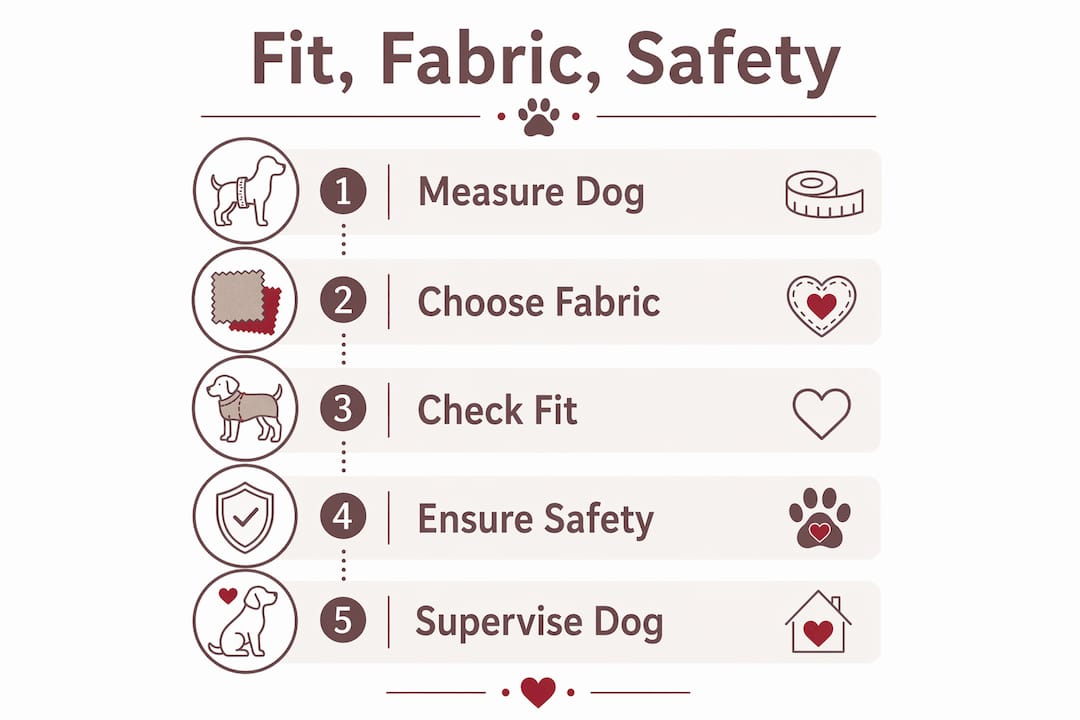
- Choosing dog apparel requires accurate measurements, fabric knowledge, and a focus on safety and fit. Proper introduction and supervision are essential to prevent injury and ensure comfort. Functional, well-made clothing prioritizes safety over style for dogs’ well-being and enjoyment.
A pet apparel buying guide is a practical framework for selecting dog clothing that balances fit, comfort, durability, and safety. Dog owners who skip this framework often end up with garments that restrict movement, cause skin irritation, or create choking hazards. The industry term for this category is “pet clothing” or “dog apparel,” and it spans everything from lightweight cotton tees to waterproof raincoats. Getting it right means knowing your dog’s measurements, understanding fabric properties, and recognizing the difference between a well-made garment and a trendy but unsafe one. Americanbarkbliss carries American-made options built to meet all three standards.
How to measure your dog correctly for apparel sizing
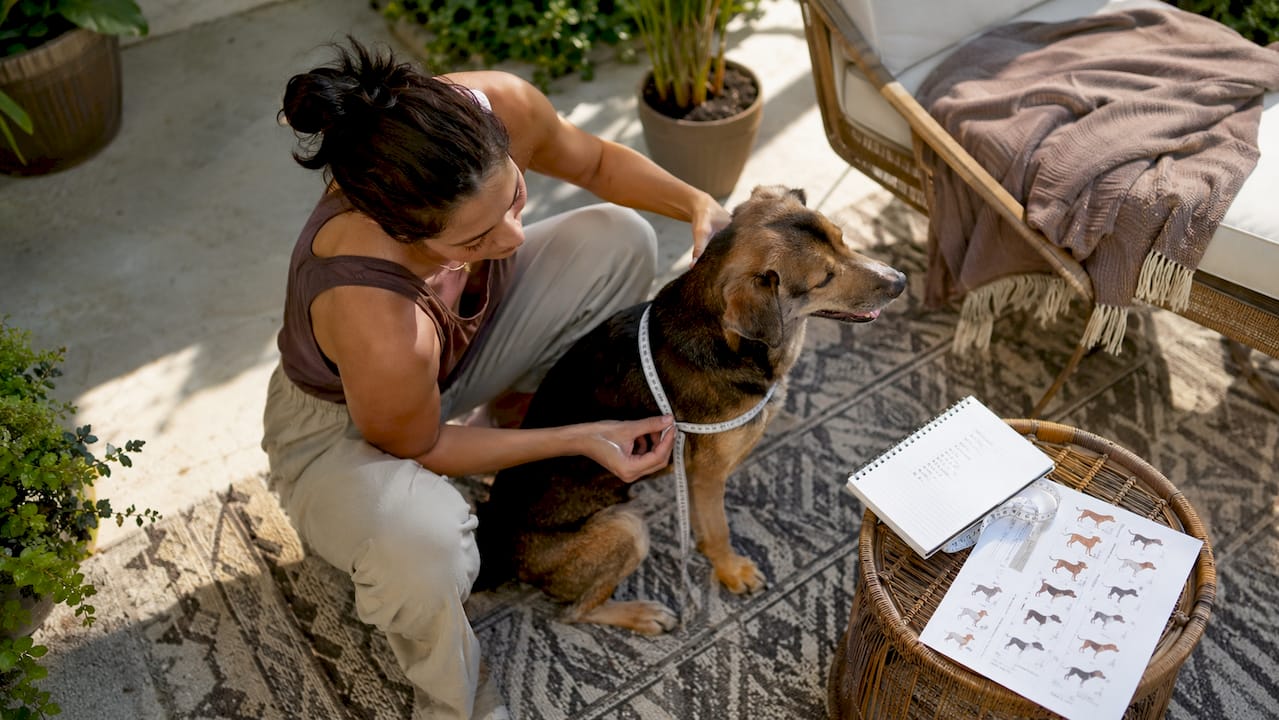
Accurate measurement is the single most important step in any dog apparel sizing guide. A garment that looks right on a size chart can still fit wrong if your measurements are off by even an inch.
You need three numbers before you shop:
- Neck girth. Wrap a soft tape measure around the base of your dog’s neck, where a collar would sit. Add one inch for comfort.
- Chest circumference. Measure around the widest part of the chest, just behind the front legs. This is the most critical measurement for sizing accuracy, and it determines whether a garment will restrict breathing or movement.
- Back length. Measure from the base of the neck to the base of the tail along the spine.
A helper makes this easier. Dogs move, and a moving dog produces unreliable numbers. Have one person hold the dog still while the other measures.
Pro Tip: Always measure twice and compare your numbers against the specific brand’s sizing chart. Sizing charts vary significantly between brands, so a size Medium from one manufacturer may fit like a Small from another.
The most common mistake owners make is buying based on breed alone. A stocky French Bulldog and a lean Whippet can share the same breed weight but need completely different chest measurements. Always go by tape measure, not by breed label.
What fabrics work best for different seasons?
Fabric choice determines whether your dog stays comfortable or overheats, and it affects how long the garment holds up after washing.
| Fabric | Best Use | Key Benefit | Watch Out For |
|---|---|---|---|
| Cotton | Summer, daily wear | Breathable and hypoallergenic | Absorbs moisture, dries slowly |
| Fleece | Cold weather | Retains heat effectively | Too warm indoors |
| Polyester (waterproof shell) | Rain and wet conditions | Water resistant | Traps heat without breathable lining |
| Mesh | Hot climates, active dogs | Maximum airflow | Minimal warmth or protection |
Cotton is the right choice for everyday wear and warm months. It is hypoallergenic, which matters for dogs with sensitive skin, and it breathes well enough to prevent overheating during walks. Fleece is the go-to for cold weather. It retains heat reliably and stays soft against the skin, making it a good fit for short-coated breeds like Greyhounds or Boxers that feel the cold quickly.
Waterproof raincoats need more scrutiny than most owners give them. The exterior waterproof layer does the obvious job, but the lining is where problems start. A breathable lining material like cotton or mesh prevents overheating. A full polyester lining traps heat and moisture against the dog’s body. The Body Glove dog raincoat at Americanbarkbliss addresses this with a design built for wet weather without sacrificing breathability.
Avoid garments with decorative elements that pose physical risks:
- Sequins and loose beads can be chewed off and swallowed
- Tight elastic bands around the legs restrict circulation
- Small buttons are choking hazards, especially for dogs that chew their clothing
How to evaluate fit, comfort, and safety features
Proper fit is critical for both comfort and mobility. A garment that is too tight restricts breathing and movement. One that is too loose can catch on furniture, fences, or other objects and cause injury.
The two-finger rule applies here. You should be able to slide two fingers under any part of the garment without forcing it. If you cannot, the fit is too tight. If the garment shifts more than an inch in any direction when the dog moves, it is too loose.
Look for these features when evaluating a garment:
- Adjustable closures. Velcro and snap buttons let you fine-tune the fit after purchase. Avoid garments with only fixed seams and no adjustment options.
- Flat seams. Raised seams rub against skin during movement and cause irritation over time. Flat or taped seams sit flush against the body.
- Reinforced stitching. Pull gently on the seams before buying. A well-made garment does not give. Weak stitching fails quickly and can leave loose threads that tangle around legs or paws.
Pro Tip: Check the dog accessory safety guidelines before adding any new garment to your dog’s wardrobe. The same principles that apply to collars and harnesses apply directly to clothing.
Supervise your dog whenever they wear clothing. Garments can snag on objects and cause injury in seconds. Never leave a dressed dog unattended, even in a familiar environment. This is not overcaution. It is the standard recommendation from veterinary and animal welfare organizations.
Human clothes repurposed for pets create real hazards. Small buttons, tight elastics, and shapes designed for human anatomy do not translate safely to dogs. Pet-specific designs account for a dog’s range of motion and eliminate the most common hazard points.
Common mistakes to avoid when dressing your dog
Most problems with pet clothing come from two sources: the wrong garment and the wrong introduction method. Both are fixable.
The most common mistakes owners make:
- Buying for looks first. A costume with a tight neck opening or a sweater with decorative buttons may photograph well but creates real discomfort or danger.
- Skipping the sizing step. Guessing based on breed weight leads to poor fit more often than not.
- Forcing the garment on. A dog that resists being dressed is telling you something. Forcing the issue creates negative associations that make future dressing harder.
- Leaving the dog unattended. Clothing can catch on objects within minutes. Supervision is not optional.
Introducing clothing gradually produces the best results. Start in a low-distraction environment and let your dog sniff and inspect the garment before you put it on. Drape it over their back without fastening it first. Use treats and calm praise throughout the process. Fasten it fully only after the dog shows no signs of stress.
Watch for these stress signals during and after dressing:
- Panting without physical exertion
- Whining or vocalizing
- Repeated scratching at the garment
- Freezing or refusing to move
- Tucked tail or flattened ears
“Remove the garment immediately if your dog shows any of these signs. A short, positive session is always better than a long, stressful one. Build up wearing time gradually over several sessions rather than expecting full tolerance on day one.” — American Kennel Club guidance on dog clothing comfort
Introducing clothing slowly with positive reinforcement is the method that works. Treats, praise, and patience turn a stressful experience into a neutral or even positive one for most dogs.
Key Takeaways
Choosing the right dog apparel requires accurate measurements, fabric knowledge, and a safety-first approach to fit and introduction.
| Point | Details |
|---|---|
| Measure before you buy | Chest circumference is the most critical measurement; always compare against the brand’s own sizing chart. |
| Match fabric to season | Use cotton for warm months, fleece for cold weather, and breathable-lined waterproof shells for rain. |
| Prioritize fit and safety | Apply the two-finger rule and choose adjustable closures; avoid human clothing repurposed for pets. |
| Supervise at all times | Never leave a dressed dog unattended; clothing can snag and cause injury quickly. |
| Introduce gradually | Use treats and calm praise in low-distraction settings; remove the garment at the first sign of stress. |
Why function has to come before fashion
Pet apparel gets treated as a style category first and a functional one second. That ordering is backwards, and I have seen it cause real problems. Dogs dressed in tight novelty costumes for photos, sweaters with decorative buttons that get chewed off, raincoats with no breathable lining. The garment looks great in the picture and causes discomfort or a vet visit afterward.
The dogs that wear clothing most comfortably are the ones whose owners invested in fit and fabric before they thought about color or pattern. A plain, well-fitted cotton tee on a short-coated dog in winter does more for that animal than a themed outfit that restricts movement. Function is not the boring choice. It is the one that keeps your dog safe and willing to wear clothes again next time.
Quality also matters more than quantity. One well-made garment with reinforced stitching, adjustable closures, and the right fabric for your climate will outlast three cheap ones. It will also fit better and stay safer over time. The types of dog accessories that hold their value are always the ones built with both style and function in mind.
Every dog is different. Some tolerate clothing easily from the first session. Others need weeks of gradual introduction. Neither response is wrong. Respect your dog’s individual temperament and let that guide your pace. Pet fashion is meant to be enjoyable for both of you.
— Christopher
Quality dog gear at Americanbarkbliss
Americanbarkbliss carries American-made pet accessories built for dogs whose owners take quality seriously.
The catalog includes apparel and accessories designed with adjustable fits, durable materials, and safety-conscious construction. If you are building out your dog’s wardrobe, pairing the right clothing with a well-fitted collar is a natural next step. The Martingale Dog Collar offers adjustable, secure fit that complements any apparel choice. For dogs who need downtime after outdoor adventures, the round pet bed in Pittie Pink gives them a comfortable place to rest. Every product at Americanbarkbliss reflects the same standard: American craftsmanship, real durability, and your dog’s comfort first.
FAQ
What are the three key measurements for dog apparel sizing?
The three measurements are neck girth, chest circumference, and back length. Chest circumference is the most critical because it determines whether a garment restricts breathing or movement.
Is it safe to use human clothing on dogs?
No. Human clothes include small buttons, tight elastics, and shapes that do not fit dog anatomy safely. Pet-specific designs eliminate the most common choking and restriction hazards.
What fabric is best for dogs in cold weather?
Fleece is the preferred fabric for cold weather because it retains heat effectively and stays soft against the skin. Cotton is better suited for warm months and daily wear due to its breathability.
How do I know if my dog’s clothing fits correctly?
Apply the two-finger rule: you should be able to slide two fingers under any part of the garment without forcing it. If the garment shifts more than an inch when the dog moves, it is too loose.
Can I leave my dog alone while they are wearing clothes?
No. The AKC recommends supervising dogs at all times when they wear clothing. Garments can snag on objects and cause injury quickly, even in familiar environments.
Leave a comment