

Sustainable Pet Accessories: What They Are and Why They Matter
TL;DR:
- Sustainable pet accessories use responsible materials, ethical manufacturing, and durable design to minimize environmental harm.
- Many reputable US brands focus on recycled or organic fibers, transparent sourcing, and products designed to last longer.
What is a sustainable pet accessory?
A sustainable pet accessory is any product designed for pets that minimizes environmental harm through responsible material sourcing, ethical manufacturing, and reduced waste. Think biodegradable waste bags, collars woven from recycled plastic bottles, organic cotton bedding, and hemp rope toys. These products share a common goal: meeting your dog’s needs without leaving a disproportionate footprint on the planet.
The term “eco-friendly pet product” gets used loosely, so it helps to know what actually qualifies. Genuine sustainability covers three areas:
- Materials: Organic, recycled, or renewable fibers instead of virgin synthetics or chemically treated fabrics
- Manufacturing: Ethical labor practices, reduced energy use, and transparent supply chains
- End of life: Products designed to biodegrade, be recycled, or last long enough to avoid frequent replacement
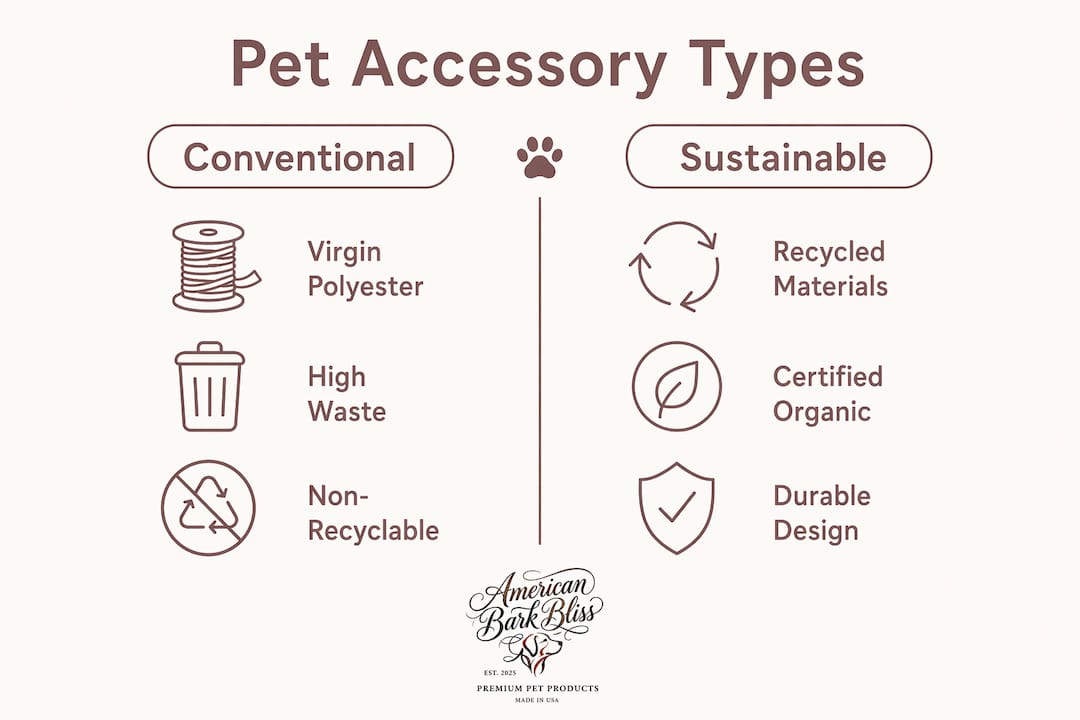
| Feature | Conventional accessory | Sustainable accessory |
|---|---|---|
| Primary material | Virgin polyester or nylon | rPET, organic cotton, hemp |
| Chemical treatment | Often present | Avoided or OEKO-TEX verified |
| Packaging | Single-use plastic | Recyclable or compostable |
| Supply chain | Often opaque | Transparent, third-party audited |
| Lifespan focus | Minimum viable | Durability-first design |
What materials and certifications actually make a pet product sustainable?
Not every product labeled “green” earns the title. The materials and third-party certifications behind a product tell the real story.
Key eco-friendly materials:
- Organic cotton: Uses significantly less water and energy than conventional cotton and avoids the heavy insecticide load associated with standard cotton farming, making it well suited for soft pet bedding and plush toys
- rPET (recycled PET): Repurposes plastic bottles into durable fabric, cutting plastic waste and reducing demand for virgin petroleum-based materials
- Hemp: Naturally pest-resistant, fast-growing, and strong enough for leashes and tug toys
- Recycled textiles: Post-consumer fabric scraps turned into new collars, harnesses, or tote bags
Certifications to look for:
- GOTS (Global Organic Textile Standard): Covers organic fiber content and responsible processing
- GRS (Global Recycled Standard): Verifies recycled content claims across the supply chain
- OEKO-TEX Standard 100: Confirms a product has been tested for harmful substances, protecting both pets and handlers
- RDS (Responsible Down Standard): Applies to bedding and insulated products using down fill
One nuance worth knowing: organic cotton is ideal for soft, indoor accessories but may not hold up for heavy-duty collars or leashes. In those cases, rPET or recycled synthetics often deliver better sustainability by lasting longer and reducing how often you replace them. Circular design features like modular components and replaceable parts push durability even further.
Pro Tip: Check for GRS or GOTS certification before trusting a recycled or organic claim. A label without third-party verification is marketing, not proof.

Which US brands are leading the way in sustainable pet products?
The sustainable pet supply market in the US has grown well beyond a niche. Several brands now build their entire identity around eco-friendly pet products, and their approaches vary in interesting ways.
Collars, leashes, and harnesses:
- Wild One: Known for minimalist design and durable, recyclable hardware on collars and leashes
- Cycle Dog: Makes collars and leashes from reclaimed bicycle inner tubes, keeping rubber out of landfills
- Noggins & Binkles: Focuses on natural and recycled materials for collars and leads, with transparent sourcing
Toys and enrichment:
- FunnyFuzzy: Offers plush and interactive toys using recycled and non-toxic materials
- Beyond Green: Produces plant-based and compostable toys designed with end-of-life in mind
- Whom: Specializes in natural rubber and organic cotton toys, avoiding synthetic dyes
Grooming and beauty:
- Best Friend Beauty: Formulates grooming products with plant-derived ingredients and minimal packaging waste
- King Kanine: Offers hemp-based wellness and grooming products with a focus on ingredient transparency
Bedding and waste:
- Carefresh: Produces small-animal and pet bedding from reclaimed paper fiber, diverting paper waste from landfills
Pro Tip: When evaluating a brand’s sustainability claims, look for supply chain transparency and third-party audits, not just marketing language. The Pet Sustainability Coalition notes that verified, data-backed claims are what separate genuine leaders from greenwashers.

How to choose sustainable pet accessories without getting misled
The biggest trap in buying sustainable pet supplies is treating “biodegradable” as automatically better. A biodegradable collar that falls apart in six months and gets replaced twice a year generates more waste than a well-made recycled nylon collar that lasts five years.
Buying criteria that actually matter:
- Material transparency: Can the brand tell you exactly what the product is made from and where?
- Third-party certification: Look for GOTS, GRS, or OEKO-TEX on the label or product page
- Durability: A longer-lasting product almost always wins on environmental impact, even if it uses a synthetic material
- Supply chain clarity: Domestic or regional manufacturing typically means shorter shipping distances and stronger quality oversight
- Packaging: Recyclable or compostable packaging signals that a brand thinks beyond the product itself
Maintenance and end-of-life tips:
- Wash fabric accessories in a mesh laundry bag to reduce microfiber shedding
- Repair before replacing: many collars and harnesses can have hardware swapped out rather than discarded
- Check whether the brand offers a take-back or recycling program before you buy
- Compostable products often require industrial composting facilities, so confirm local availability before counting on home composting
Pro Tip: Prioritize durability over a “biodegradable” label when the product will see heavy daily use. A durable pet collar built from recycled materials and designed to last years beats a compostable one that needs replacing every few months.
How Americanbarkbliss approaches sustainability in US-made pet accessories
Americanbarkbliss takes a position that not every eco-friendly brand does: domestic manufacturing is itself a sustainability decision. Shorter supply chains mean fewer shipping emissions, easier quality oversight, and a direct relationship with the makers behind each product.
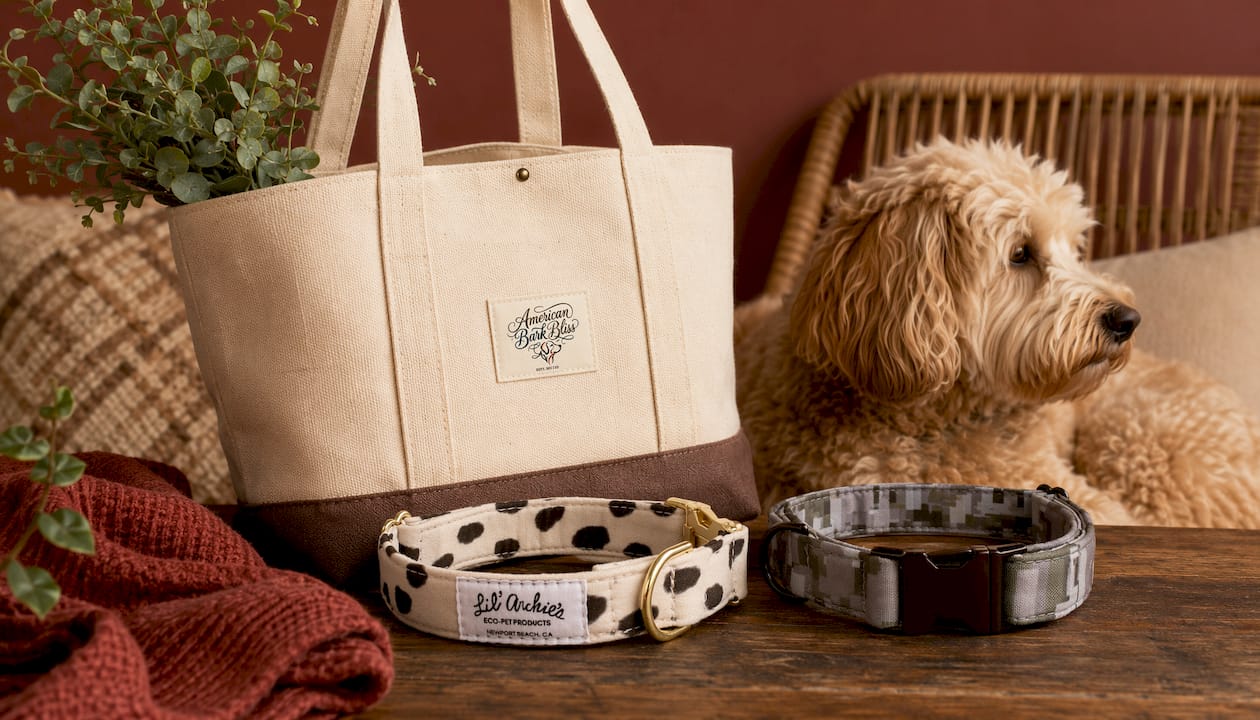
The San Francisco Recycled Dog Collar and the Annadel Recycled Dog Collar are built from recycled materials and manufactured in the USA, combining the environmental benefit of rPET with the supply chain accountability that comes from keeping production domestic. The recycled cotton market tote extends that same thinking to everyday carry, using reclaimed cotton fiber instead of virgin textile.
| Americanbarkbliss sustainability feature | What it means for you |
|---|---|
| US-based manufacturing | Shorter shipping, verifiable labor standards |
| Recycled material use (rPET, recycled cotton) | Diverts plastic and textile waste from landfills |
| Material transparency | You know what your pet is wearing |
| Durability focus | Fewer replacements, less long-term waste |
Pet Sustainability Coalition research confirms that supply chain transparency and third-party audits are the clearest signals of genuine sustainability in pet accessories. Americanbarkbliss builds that standard into its sourcing from the start, rather than applying it as an afterthought.
For a deeper look at how domestic sourcing shapes product quality and environmental impact, the case for US-made pet products makes the tradeoffs concrete.
Key practices for buying and caring for sustainable pet accessories
Sustainable pet ownership is a habit, not a single purchase. A few consistent practices make a real difference over time.
- Define what sustainable means to you before shopping: recycled materials, domestic manufacturing, zero-waste packaging, or some combination
- Verify certifications (GOTS, GRS, OEKO-TEX, RDS) rather than relying on brand self-description
- Choose durable over disposable for high-use items like collars, leashes, and bowls
- Support brands with transparent supply chains, particularly those manufacturing in the US
- Extend product life through cleaning, minor repairs, and proper storage
- Dispose responsibly: return programs, local textile recycling, or verified industrial composting where available
- Look at packaging too: recyclable or compostable shipping materials signal a brand’s full-picture commitment
The sustainable dog toy category is a good place to start if you’re new to eco-friendly pet supplies. Toys cycle through quickly, so switching to non-toxic, durable, or natural-material options there compounds fast.
Key Takeaways
Sustainable pet accessories combine responsible materials, transparent sourcing, and durable design to reduce environmental impact without compromising your pet’s safety or comfort.
| Point | Details |
|---|---|
| Definition and scope | Sustainable pet accessories use recycled, organic, or renewable materials and prioritize ethical manufacturing. |
| Certifications to trust | GOTS, GRS, OEKO-TEX, and RDS are the key third-party standards that verify genuine sustainability claims. |
| Durability beats biodegradable | A long-lasting recycled-material product typically generates less waste than a biodegradable one replaced frequently. |
| Domestic manufacturing matters | US-made products offer shorter supply chains, stronger quality oversight, and greater transparency. |
| Brands to know | Wild One, Cycle Dog, Beyond Green, FunnyFuzzy, Carefresh, and Americanbarkbliss each bring distinct sustainable approaches to the US market. |
FAQ
What are eco-friendly pet products?
Eco-friendly pet products are made from materials like organic cotton, rPET, or hemp, and are produced with reduced chemical use, responsible sourcing, and lower-waste packaging. Certifications like GOTS and OEKO-TEX help verify those claims.
How do I know if a sustainable pet brand is legitimate?
Look for third-party certifications (GRS, GOTS, OEKO-TEX), transparent supply chain information, and data-backed environmental claims rather than vague “green” language. The Pet Sustainability Coalition’s annual benchmarking tracks which brands meet measurable standards.
Are biodegradable pet accessories always the better choice?
Not always. Many biodegradable products require industrial composting facilities to break down properly, and items that need frequent replacement can generate more waste overall than durable alternatives made from recycled materials.
What sustainable pet accessory categories are most widely available in the US?
Collars, leashes, toys, bedding, waste bags, and grooming products all have strong sustainable options in the US market, with brands like Cycle Dog, Carefresh, Whom, and Americanbarkbliss covering most everyday needs.
Leave a comment