

How Often to Wash Dog Bowls to Stop Bacteria Buildup
Wash food bowls after every meal or at minimum once daily. Raw and wet food bowls require washing after each use. Water bowls should be refreshed frequently and washed regularly. On top of that daily rhythm, run a deep sanitize once a week, either a dishwasher sanitize cycle or a bleach soak, to break down the biofilm that daily washing alone won’t touch.
Here’s the schedule in plain terms:
- Food bowls: wash after every meal (ideal), never less than once daily.
- Water bowls: rinse and refill daily; full wash every 1 to 2 days.
- Weekly: sanitize everything with a dishwasher’s sanitize cycle or a proper bleach soak.
Key Takeaways
Consistent daily washing paired with a weekly deep sanitize is the single most reliable way to stop biofilm from building up in a dog’s food and water bowls.
| Point | Details |
|---|---|
| Wash food bowls daily | Ideally after every meal; raw and wet food need washing after each use without exception. |
| Refresh water bowls often | Rinse and refill daily, with a full wash at least every 1 to 2 days. |
| Sanitize weekly | Use a dishwasher sanitize cycle or a proper bleach soak to break down biofilm buildup. |
| Watch for warning signs | Slimy residue, foul odor, or a dog avoiding its bowl signal it’s time to sanitize sooner. |
| Support the routine with the right gear | Americanbarkbliss offers dishwasher-safe feeding accessories and grooming tools that make daily hygiene easier to maintain. |
Table of Contents
- Why wash frequency for dog bowls actually matters
- What happens if you skip cleaning, and how to spot it
- How to clean and sanitize dog bowls the right way
- Which bowl material is easiest to keep clean?
- Building a schedule you’ll actually stick to
- How American Bark Bliss supports your bowl hygiene routine
- Keep the whole feeding station clean, not just the bowl
- Sources
- FAQ
Why wash frequency for dog bowls actually matters
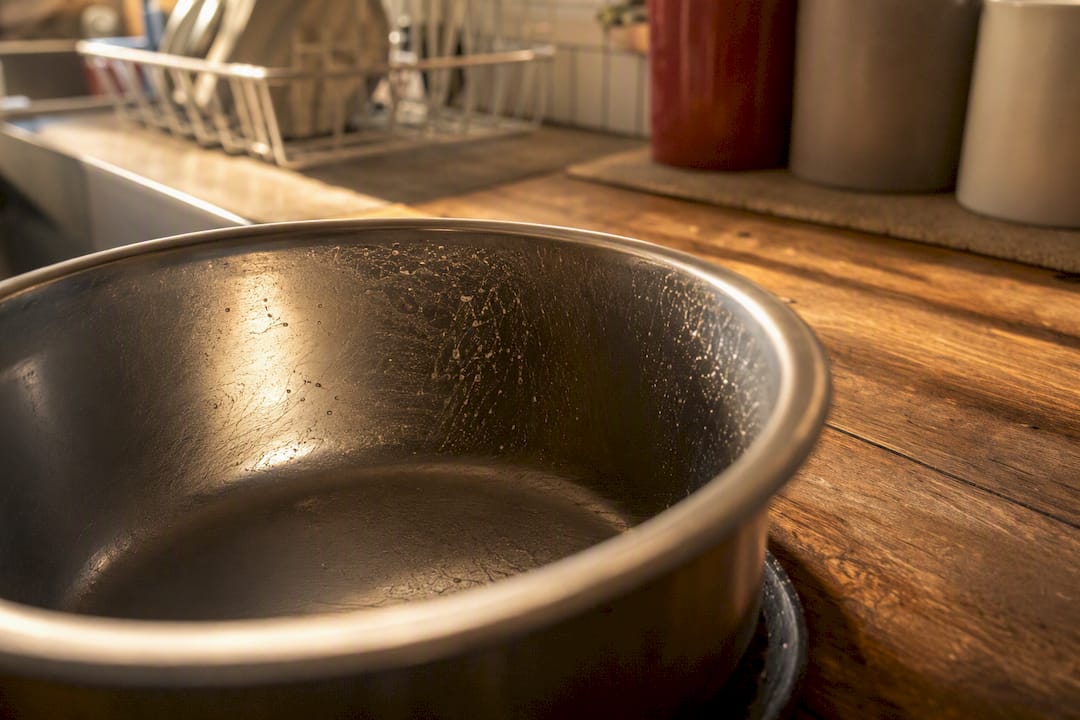
A bowl doesn’t need to look dirty to be dangerous. Bacteria form a biofilm, a thin, sticky layer of microbes that bonds to plastic, ceramic, or metal within hours of contact with food residue and moisture. Once established, biofilm resists ordinary rinsing because the microbes wrap themselves in a protective matrix that shields them from soap and water alone, according to Zoetis Petcare.
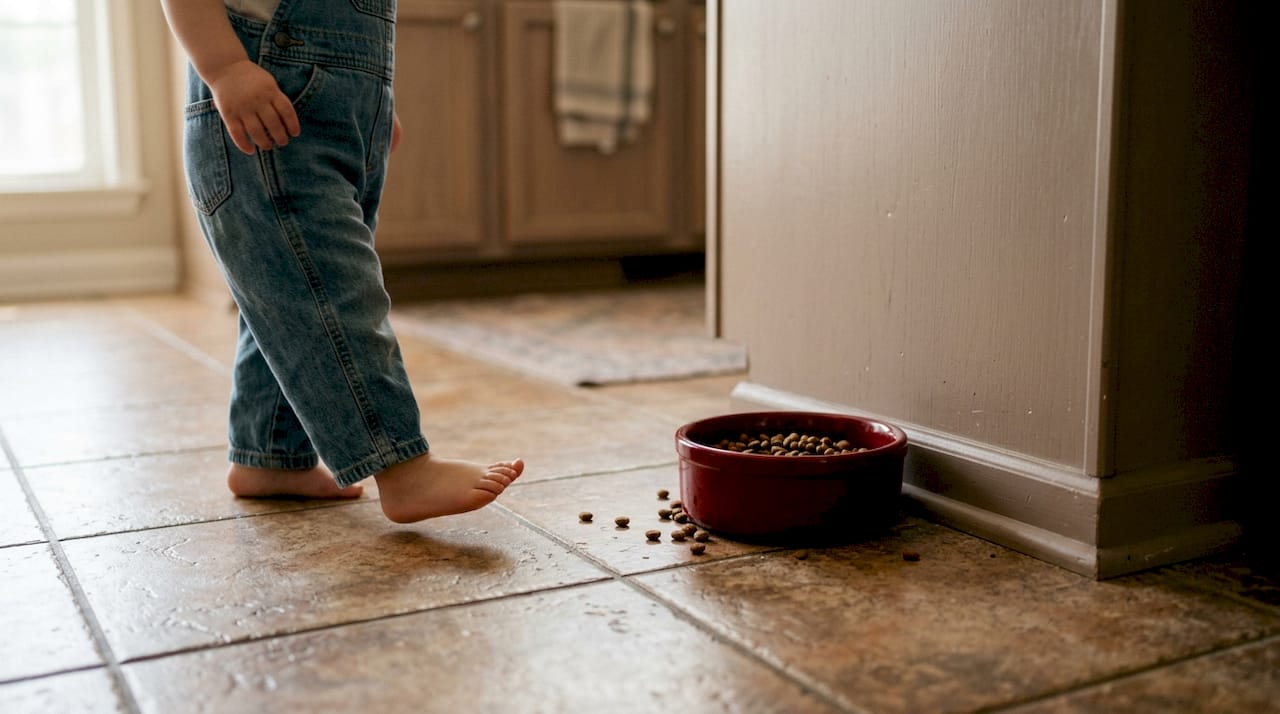
That matters beyond your dog’s stomach. Bowls sit low, get licked, get pawed, and often end up on kitchen floors where kids crawl or barefoot feet land. The AKC notes that veterinarians consistently rank pet bowls among the germiest items in an average home, right up there with kitchen sponges. The CDC backs this with direct guidance: wash wet food bowls after every use, dry food and water bowls daily, and use the dishwasher when the bowl allows it.
A quick reality check: if you wouldn’t reuse your own plate for three days without washing it, your dog’s bowl deserves the same standard.
What happens if you skip cleaning, and how to spot it
Biofilm doesn’t announce itself loudly at first. It builds quietly, then shows up as a specific set of warning signs you can catch before it becomes a bigger problem.
- A slimy or slippery film on the bowl’s interior, even after a quick rinse.
- A sour or musty smell that returns within hours of cleaning.
- Your dog hesitating at the water bowl or drinking less than usual.
- Visible discoloration or a dull, sticky texture along the rim.
Left unchecked, that buildup can contribute to digestive upset, skin irritation around the muzzle, and repeated exposure to pathogens like Salmonella or E. coli that can pass between pets and people in the household. If a bowl has deep scratches, chips, or cracks, don’t just clean harder. Replace it. Those grooves become permanent hiding spots for bacteria that no amount of scrubbing fully reaches.
Pro Tip: If your dog suddenly avoids a bowl they used to eat from happily, check it before you check their appetite. A slimy bowl is a more common culprit than a picky mood.
How to clean and sanitize dog bowls the right way
Daily washing and weekly sanitizing are two different jobs, and treating them as the same task is where most routines fall short. Research published in BMC Veterinary Research found that cleaning method, bowl material, and feed type all shift bacterial contamination levels, with dishwashers consistently outperforming casual hand rinsing in reducing microbial counts.
For daily washing:
- Scrape off leftover food before adding water or soap.
- Wash with hot, soapy water using a dedicated brush or sponge, not the one you use on human dishes.
- Scrub every surface, including the underside of the rim, where residue collects.
- Rinse thoroughly and let the bowl air dry completely before refilling.
For the weekly deep sanitize, pick one of two routes:
- Dishwasher route: confirm the bowl is labeled dishwasher-safe, then run it on the sanitize or high-heat setting. This is the method AKC and USA Today both point to as the most reliable option for busy households.
- Bleach soak route: mix a diluted bleach solution as directed by CDC guidance, soak the bowl for the recommended contact time, then rinse it completely before reuse. Never let a dog drink from or eat out of a bowl with bleach residue still present.
Raw feeders should treat every meal as a full wash, no exceptions, since raw food carries higher bacterial load than kibble. Slow feeders and puzzle bowls need extra attention to their grooves and crevices, where a standard sponge can’t reach. A stiff-bristled dish brush that doesn’t trap grime works better than a sponge for breaking up biofilm in tight spaces, since sponges themselves can become bacteria reservoirs if not replaced often. Physically scrubbing matters here more than the cleaner you use. Biofilm needs mechanical disruption before any disinfectant can fully reach the microbes underneath it.
Which bowl material is easiest to keep clean?
Material won’t replace a good routine, but it can make that routine easier or harder to stick to.
- Stainless steel is dishwasher-safe, nonporous, and holds up to years of scrubbing. Watch for deep scratches over time, since they can start harboring residue, but this remains the most practical everyday choice.
- Ceramic works well if glazed and intact. The moment it chips, the exposed material becomes porous and much harder to fully sanitize, so replace it rather than patch it.
- Plastic scratches easily, and those micro-scratches are exactly where biofilm takes hold fastest. If you’re using plastic, plan to replace bowls more often than you would stainless or ceramic.
- Silicone or coated bowls can work well, but check the crevices around folded edges or collapsible designs, and confirm the manufacturer lists them as dishwasher-safe before relying on high heat.
A closer look at the tradeoffs between ceramic and stainless steel bowls makes the durability gap clearer if you’re deciding what to buy next.
Building a schedule you’ll actually stick to
The single biggest reason daily washing fails in real households isn’t laziness. It’s timing. A bowl that’s still wet from the last wash isn’t ready for the next meal, so people skip the step out of convenience.
- Keep two sets of bowls in rotation. One set is in use while the other dries or waits in the dishwasher. This one habit change is what actually makes daily washing sustainable, according to insight from the AKC.
- Reserve quick rinses for water refills between full washes, but never let a rinse replace the daily or every-other-day full wash.
- Keep a dedicated brush and soap station near the feeding area so cleaning takes seconds, not a trip across the kitchen.
- Batch bowl washing with your regular dishwasher loads rather than treating it as a separate chore.
If you’re running a multi-pet household or an automatic feeder, clean the reservoir and delivery mechanism on the same weekly sanitize schedule as bowls, since standing food in those systems collects the same biofilm risk. A practical feeding and watering system built for easy disassembly saves real time here.
Pro Tip: Label your two bowl sets with a tiny mark or sticker so nobody in the house accidentally reuses the “dirty” one before it’s actually clean.
How American Bark Bliss supports your bowl hygiene routine
Consistency beats intensity when it comes to bowl hygiene, and the right gear removes friction from the routine. Americanbarkbliss stocks American-made feeding accessories designed with daily washing in mind, plus blog guides that walk through the details.
- Read how to choose dog bowls built for easy daily cleaning.
- Compare ceramic vs. stainless steel bowls before your next purchase.
- Check best dog bowls for messy drinkers if water spillage is part of your daily mess.
- Browse how to clean dog accessories for the rest of your dog’s gear.
A note on making this routine stick
The households that actually keep up with daily bowl washing tend to share one thing: they’ve removed the decision-making from the process. Two sets in rotation, a brush that lives right by the sink, a dishwasher run every night, done. The barrier is almost never knowledge. It’s friction. If you don’t have dishwasher access, a hot hand-wash with real scrubbing, done consistently, gets you most of the way there, and a weekly bleach soak covers the rest.
— Christopher
Keep the whole feeding station clean, not just the bowl
A clean bowl sitting on a grimy mat or next to a matted, dirty dog isn’t the full picture of hygiene. Americanbarkbliss carries a full lineup of American-made grooming and feeding accessories built to support the same routine this article just laid out.
The Country Living All-in-One 3-Piece Dog Grooming Kit pairs well with your weekly bowl sanitize day, since grooming and feeding hygiene often go hand in hand for dogs prone to slobbering or food on their fur. If you’re setting up a two-set bowl rotation, having the right tools nearby makes the habit easier to keep, not harder. Browse the feeding and watering accessories at Americanbarkbliss to find dishwasher-safe options built for exactly this kind of daily use.
Sources
- About Cleaning and Disinfecting Pet Supplies | Healthy Pets, Healthy People | CDC
- How Often Should I Wash My Dog’s Bowl? | AKC
- Importance of clean bowls for dogs and cats | Zoetis Petcare
- How to clean your pet’s food and water bowl | USA Today
FAQ
How often should dog bowls be washed?
Food bowls should be washed after every meal or at least once daily, while water bowls need a full wash every 1 to 2 days with daily rinsing in between, according to CDC guidance.
What are the symptoms of a biofilm dog bowl?
Look for a slimy or slippery residue on the bowl’s surface, a foul or sour smell that returns quickly after washing, and a dog that suddenly avoids eating or drinking from that bowl.
What is the 90/10 rule for dogs?
The 90/10 rule refers to feeding guidelines suggesting treats make up no more than 10% of a dog’s daily calorie intake, with 90% coming from balanced meals; it isn’t a cleaning standard, but bowl hygiene applies equally to both.
What is the 80/20 rule for dog food?
Definitions vary depending on the source, and it’s sometimes used loosely to describe balancing commercial food with fresh additions, but there’s no single authoritative cleaning-related version of this rule.
Can I just rinse my dog’s water bowl instead of washing it?
A rinse can hold you over between full washes, but it doesn’t remove biofilm, so you still need a complete soap wash at least every 1 to 2 days and a weekly sanitize on top of that.
Leave a comment