

Tire an Apartment Dog in 5–10 Minutes: Low-Cost Indoor Enrichment + 3 Durable Tools
The most effective indoor enrichment mixes four categories: food foraging (snuffle mats, puzzle feeders), scent work (scavenger hunts), short training bursts, and calming chew or lick activities. Run sessions for 5 to 10 minutes at a time, rotate toys so nothing gets stale, and always supervise anything your dog can chew apart or swallow.
TL;DR:
- Short training sessions and rotating toy categories boost mental engagement better than prolonged play, with each activity lasting only 5 to 10 minutes.
- Using puzzle feeders or scatter feeding can extend meal times from seconds to 5-10 minutes, satisfying dogs’ natural foraging instincts.
- Scent work and scavenger hunts leverage a dog’s highly sensitive nose, offering low-effort, high-value enrichment indoors.
- Different breeds and ages require tailored activities, with high-energy dogs needing chase and problem-solving, while seniors benefit from scent games and lick mats.
- Using durable, purpose-built products like treat dispensers and scent toys enhances safety and longevity over homemade or cheap alternatives.
Table of Contents
- Quick-Start Indoor Dog Enrichment Ideas You Can Try Today
- Food and Foraging Enrichment: Puzzles, Slow Feeders, and Freeze-and-Serve Hacks
- Cognitive and Training Enrichment: Short Sessions That Beat Long Play
- Sensory and Scent Work: Scavenger Hunts and Calming Nose Games
- Physical Play for Small Spaces: Safe Indoor Obstacle Ideas
- Calming Enrichment: Chew Sessions, Lick Mats, and Settle Practice
- DIY Enrichment and Safety Checklist
- Toy Rotation and Session Scheduling
- Products That Make These Ideas Easier to Run at Home
- Mental Stimulation Through Canine Enrichment Technology or Apps
- Considerations for Different Dog Breeds and Ages
- What Actually Works Once You Start Testing These Ideas
- Where to Find Enrichment Tools Built to Last
- Sources
- FAQ
Quick-Start Indoor Dog Enrichment Ideas You Can Try Today
You don’t need a training degree or a garage full of gear to keep a dog’s brain busy on a rainy Tuesday. Pick one or two from this list based on your dog’s energy level and how much mess you’re willing to tolerate.
- Snuffle mat or scatter feeding: toss kibble into a mat or across a towel and let your dog sniff it out instead of eating from a bowl.
- Puzzle toys and treat dispensers: stuff and freeze them for dogs who inhale food in seconds.
- Short training sessions: five to ten minutes of “sit, stay, touch” or a new trick works better than an hour of unfocused play.
- Scent scavenger hunts: hide treats around a room and let your dog’s nose do the work.
- Flirt pole or tug: gives high-drive dogs a controlled outlet for chase instincts.
- Lick mats and chew sessions: smear peanut butter (xylitol-free) on a mat for a slow, calming activity.
- DIY muffin-tin and towel-roll puzzles: two of the cheapest interactive dog toys you’ll ever make.
- Indoor obstacle course: use chairs, cushions, and a broom laid across two boxes for a makeshift agility run.
Each of these targets a different instinct, which is exactly why rotating between them keeps a dog engaged instead of bored after day two.
Food and Foraging Enrichment: Puzzles, Slow Feeders, and Freeze-and-Serve Hacks
Dogs in the wild spend hours finding food. A bowl that empties in 30 seconds skips that entire behavior, which is part of why so many dogs bolt their meals and then pace around looking for something to do. Puzzle feeders and scatter feeding fix that by turning a meal into a project.
Scatter feeding or puzzle use can stretch a 30-second meal into 5 to 10 minutes of steady, focused foraging. Practical setups include:
- A snuffle mat for kibble
- The muffin tin game (treats under tennis balls in the cups)
- Slow-feeder bowls with raised ridges
- Stuffed and frozen KONG-style toys for a longer, colder challenge
Use part of the daily food ration rather than piling on extra calories, and skip anything with onion, garlic, or xylitol. Match toy toughness to your dog’s chew strength: a soft rubber toy that survives a Chihuahua won’t last five minutes with a determined Labrador.
Cognitive and Training Enrichment: Short Sessions That Beat Long Play
A five-minute training burst can wear out a dog’s brain faster than thirty minutes of fetch, because problem-solving demands focus in a way that repetitive physical play doesn’t. Structure matters more than duration here.
- Warm up with a known cue (sit, down, touch) to get engagement going.
- Introduce one new trick or a scent-targeting drill, rewarding small attempts.
- Play the cup game: hide a treat under one of three cups and shuffle them.
- Try hide-and-seek with a favorite toy in another room.
- Take a short break, then repeat the sequence once more before stopping.
Experts recommend keeping these sessions to 5 to 10 minutes so the dog stays motivated instead of checking out.
Pro Tip: End every session on a win, even an easy one. Dogs remember the last rep, and quitting on success keeps them eager for the next round.
Sensory and Scent Work: Scavenger Hunts and Calming Nose Games
A dog’s nose is 10,000 to 100,000 times more sensitive than a human’s, which is exactly why five minutes of sniffing can tire a dog out faster than five minutes of running. Scent work is arguably the highest-value, lowest-effort enrichment category available indoors.
Start a scavenger hunt with treats in plain sight, then gradually hide them behind furniture legs or inside open boxes as your dog gets better at the game. For small apartments, try:
- Hiding treats inside a muffin tin covered with tennis balls
- Scattering kibble across a folded blanket
- Placing treats along a hallway for a “trail” hunt
Avoid using anything toxic as bait, even accidentally, and supervise new scent games the first few times to see how your dog handles the challenge.
Physical Play for Small Spaces: Safe Indoor Obstacle Ideas
Burning physical energy indoors takes some creativity, but low obstacle courses work surprisingly well in a living room or hallway. Non-slip surfaces and progressively harder setups help dogs build confidence instead of getting hurt.
- Weave through a line of chairs spaced a few feet apart
- Crawl under a blanket draped over two boxes as a tunnel substitute
- Step over low household items like rolled towels
- Use a flirt pole for high-drive dogs, pairing chase with a “drop it” cue for impulse control
Adjust height and difficulty for puppies, seniors, or dogs with joint issues, and skip jumping obstacles entirely for anyone with mobility limits.
Calming Enrichment: Chew Sessions, Lick Mats, and Settle Practice
Not every dog needs to be wound up. Some need help winding down, and calming enrichment does exactly that by giving a dog a job that requires patience instead of energy.
- Frozen lick mats with plain yogurt or pumpkin puree for long, slow engagement
- Supervised long-lasting chews for jaw fatigue and a natural calming effect
- “Settle on a mat” practice paired with a frozen treat as a reward for staying put
- Combining grooming time with a lick mat to make brushing less stressful
Always check stuffing ingredients for anything toxic, and never leave a heavy chewer alone with a toy rated below their strength level.
DIY Enrichment and Safety Checklist
Cardboard boxes, muffin tins, and old towels turn into free enrichment toys with almost no effort. The trick is knowing where DIY stops being clever and starts being risky.
- Muffin tin game: treats under tennis balls in a metal or silicone muffin tin.
- Towel-roll kibble: roll treats inside a towel and let your dog unroll it.
- Cardboard foraging box: fill a box with crumpled paper and hidden treats.
- DIY flirt pole: a sturdy stick, a rope, and a knotted toy on the end.
Remove anything your dog manages to shred or that shows signs of being swallowed. Never leave a dog unsupervised with a DIY puzzle that has small or ingestible parts, and skip crate time with any toy that hasn’t been tested under supervision first.
Pro Tip: Start easy and make it harder gradually. A dog that solves a puzzle in ten seconds hasn’t been enriched. It’s been fed.
Toy Rotation and Session Scheduling
Even the best puzzle toy loses its magic after a week of daily use. Rotating toys and varying activity types keeps a dog’s interest sharp instead of letting enrichment turn into background noise. Learn more about building a dog toy rotation system that actually sticks.
- Swap toy sets every few days rather than leaving the same three out permanently
- Mix categories across the week: one day food-focused, the next scent-focused, another handler-led
- Watch engagement. If a dog solves a puzzle in seconds, it’s time to increase difficulty
- Aim for multiple short sessions rather than one marathon play block
For a full daily structure, the guide on enriching your dog’s playtime breaks down how to stack these across a week.
Products That Make These Ideas Easier to Run at Home
You don’t need to build every puzzle from scratch. A few well-made tools cover most of the categories above without the trial and error of DIY.
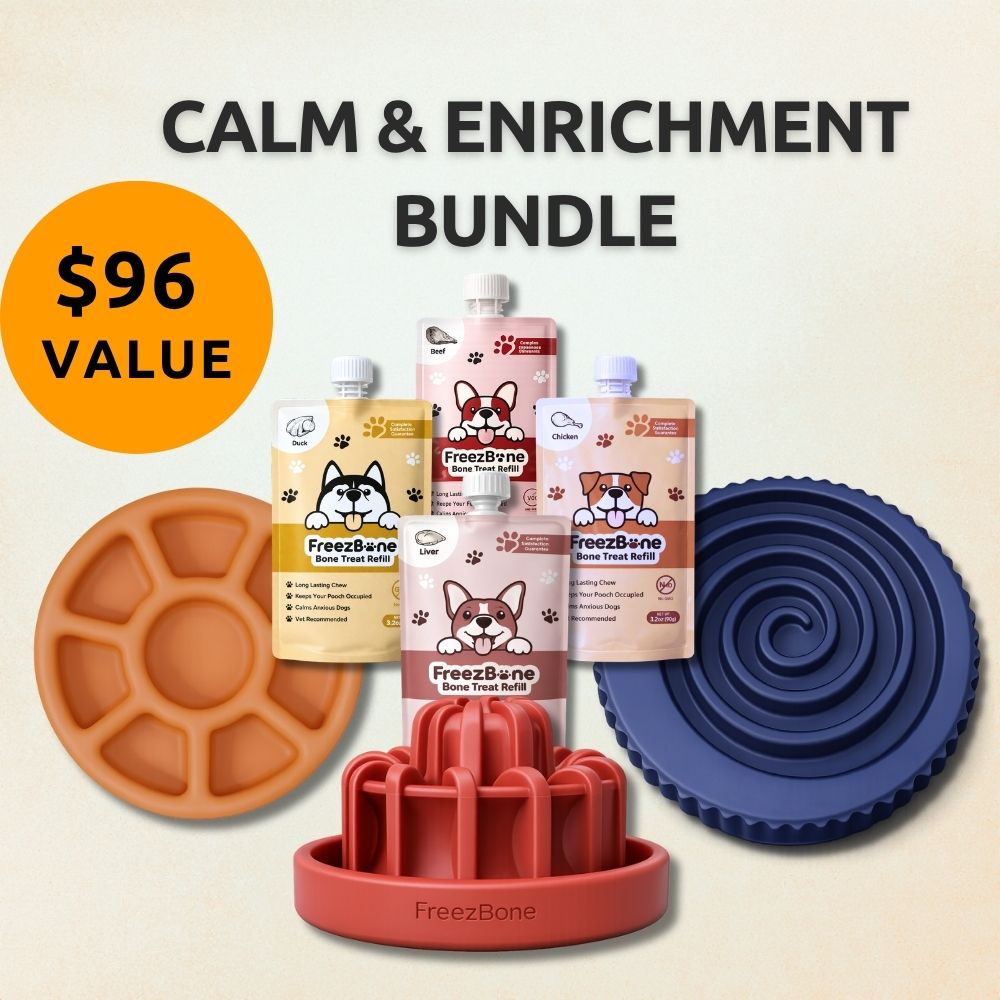
- The Calm & Enrichment Bundle is built for lick-mat and chew sessions. Freeze it with plain yogurt or pumpkin for a slow, calming activity that fits the settle-practice routine.
- The KONG Rewards Tinker Treat Dispensing Dog Toy works as a stuff-and-freeze puzzle for food-motivated dogs who eat too fast, stretching a meal well past the usual 30 seconds.
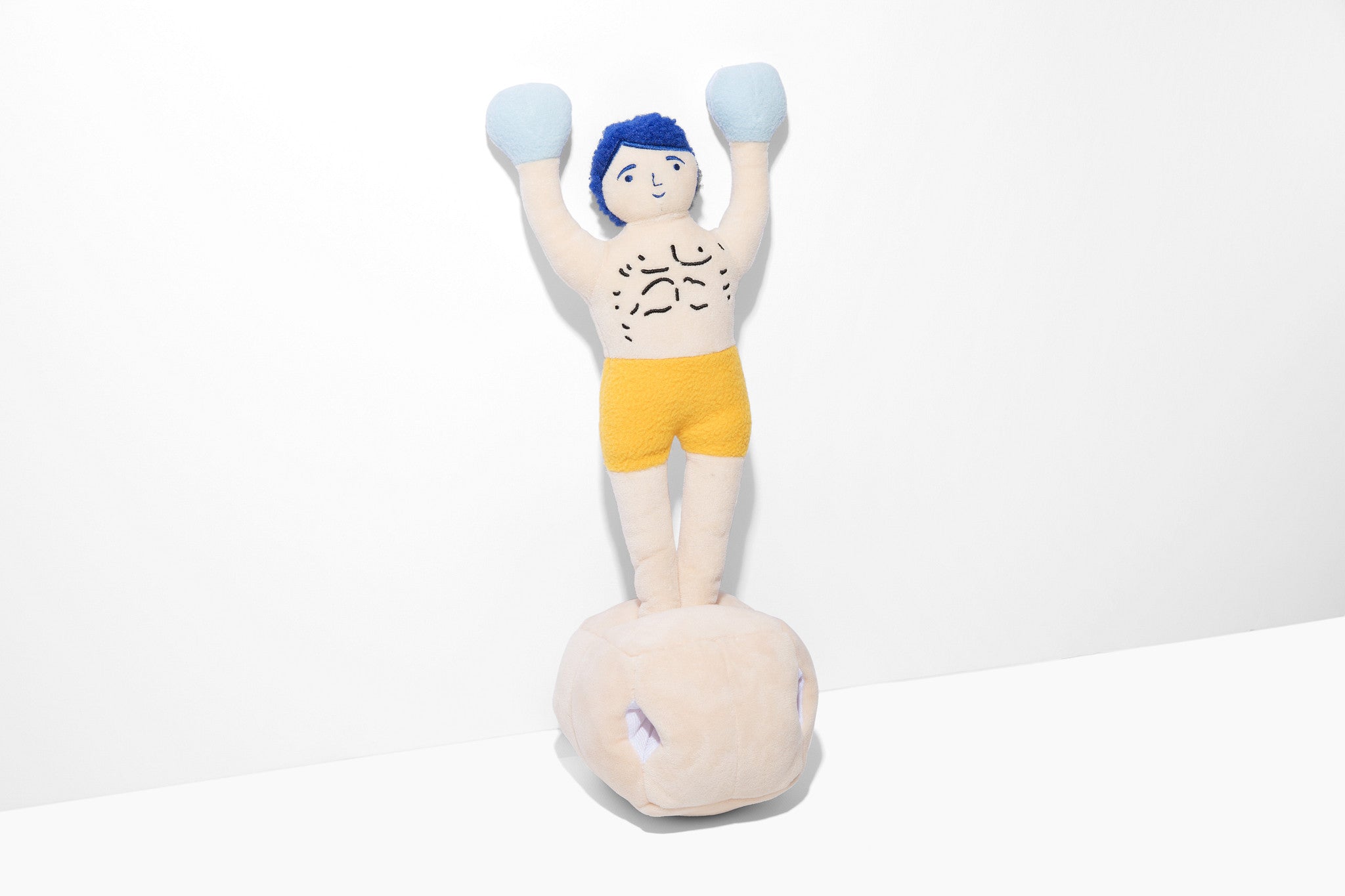
- The Champ Rocky Nose Work Dog Toy is designed specifically for scent games, giving dogs a dedicated object to search for during scavenger hunts instead of relying on hidden treats alone.
Match the toy to the activity category first, and check chew strength against your dog’s jaw power before leaving any toy unsupervised.
Mental Stimulation Through Canine Enrichment Technology or Apps
Enrichment apps and interactive tech toys have become a real category, not just a gadget trend. Treat-dispensing devices controlled from a phone, motion-activated toys, and puzzle apps that reward a dog for nose-touches or paw-taps all aim to fill gaps when an owner can’t be hands-on every minute of the day.
The catch is that technology works best as a supplement, not a replacement. A treat-dispensing camera can keep a dog occupied for a few minutes while you’re on a call, but it can’t read a frustrated dog’s body language the way you can, and it can’t adjust difficulty mid-session the way a person can. Certified trainers generally view handler-led activities as more effective for building the dog-owner bond than passive electronic toys, since a flirt pole or a hide-and-seek game also teaches impulse control that a screen can’t.
That doesn’t mean tech has no place. For dogs who get anxious home alone, an app-connected camera with a treat dispenser can break up long stretches of boredom between active enrichment sessions. For food-motivated dogs, some interactive feeders now sync with phone apps to control portion size and dispensing speed, which doubles as a foraging challenge and a feeding management tool. The smart approach treats these as one tool in a bigger rotation, not the whole plan.
Considerations for Different Dog Breeds and Ages
A Border Collie and a Bulldog do not need the same enrichment plan, and neither does a six-month-old puppy compared to a ten-year-old senior. Matching activity type to the dog in front of you matters more than following a generic checklist.
High-energy working breeds like herding dogs or terriers often need chase-based or problem-solving outlets to feel satisfied, while food-motivated breeds respond especially well to puzzle feeders and slow-feed bowls. Brachycephalic breeds (Bulldogs, Pugs, Frenchies) tire faster from physical activity and often do better with scent games and lick mats than obstacle courses. Puppies benefit from shorter, simpler sessions since their attention spans are limited, but they also need mental work early to prevent destructive habits from boredom.
Senior dogs still need enrichment. Their joints just can’t always keep up with obstacle courses or flirt-pole chasing. Scent work, lick mats, and gentle puzzle feeders let older dogs stay mentally sharp without stressing aging joints. If a dog has vision or hearing loss, scent-based games often become even more valuable since smell is usually the last sense to decline. Whatever the age or breed, start easier than you think you need to and adjust based on how the dog actually responds, not how the activity looks on paper.
What Actually Works Once You Start Testing These Ideas
Every dog treats enrichment differently, and the gap between what sounds effective on paper and what actually holds a dog’s attention can be surprising. A shy, noise-sensitive dog often does better with a slow scent hunt in a quiet room than with a flirt pole, which can overstimulate rather than settle them. A high-energy dog left with only a lick mat, on the other hand, may finish it in ninety seconds and go right back to pacing.
The pattern worth noticing: dogs tell you almost immediately whether an activity is landing. A dog that disengages after ten seconds needs either an easier puzzle or a completely different category, not more time with the same toy. Watch for that signal instead of assuming your dog just needs “more” enrichment. Rotate often, keep sessions short, and don’t be afraid to abandon an activity your dog clearly isn’t into, even if it worked great for someone else’s dog.
— Christopher
Where to Find Enrichment Tools Built to Last
There are pet products available designed for the kind of indoor enrichment covered in this guide, offering alternatives to mass-produced imports with potential durability differences. If your dog demolishes cheap puzzle toys in a week, the durability difference shows up fast.
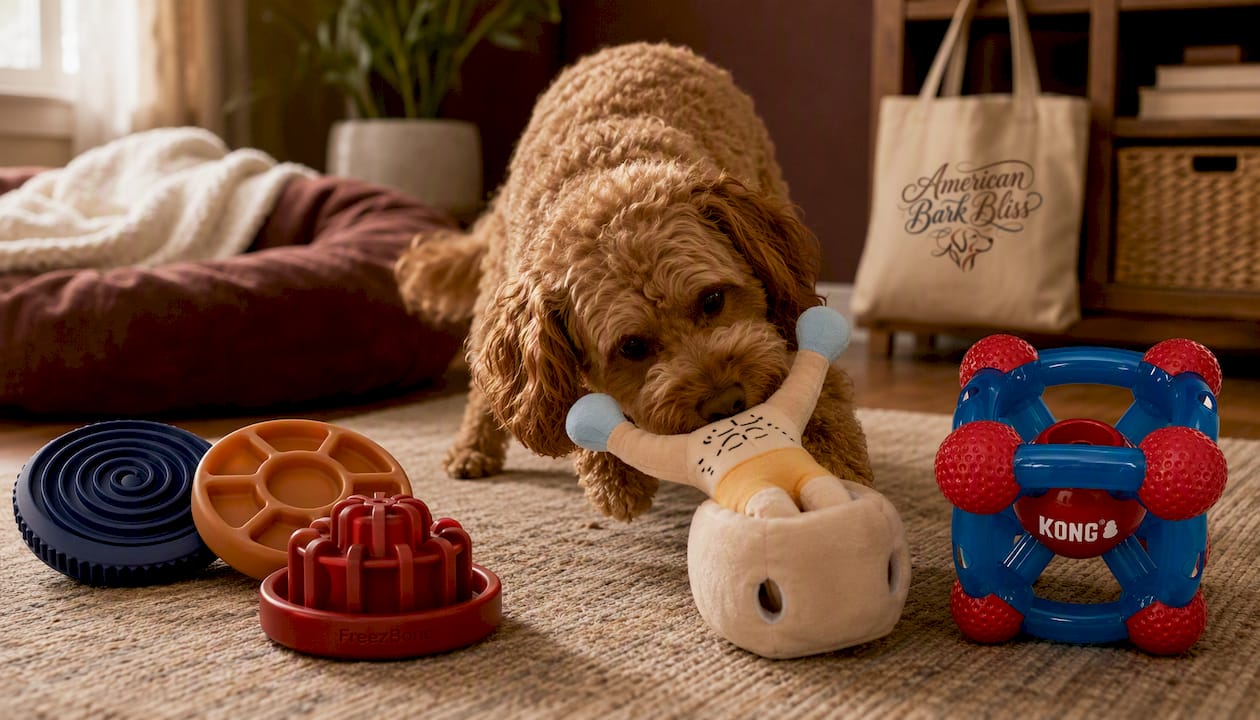
The Calm & Enrichment Bundle gives you a ready-made calming setup for lick-mat and chew sessions without piecing one together yourself. The KONG Rewards Tinker handles the stuff-and-freeze puzzle category for food-motivated dogs, and the Champ Rocky Nose Work Toy covers scent games for dogs who need that sniffing outlet daily. Between the three, you’ve got food foraging, calming activities, and scent work covered without hunting through a dozen different stores.
Browse the Americanbarkbliss catalog to pick the products that match your dog’s energy level and start rotating them into your weekly routine today.
Sources
- Canine DIY enrichment
- Boredom Busters: Indoor Enrichment for Dogs
- The 17 Best Dog Toys for Mental Enrichment, Tested and Reviewed
FAQ
How do I stimulate my dog indoors?
Combine food foraging (puzzle feeders, snuffle mats), short training sessions, scent scavenger hunts, and calming chew or lick activities, running each for 5 to 10 minutes and rotating toy types every few days.
What is the 7-7-7 rule for dogs?
This is a puppy socialization guideline some trainers use, suggesting exposure to a range of experiences, surfaces, and people by seven weeks and beyond. It’s not a formal enrichment standard, and definitions of it vary by source.
What is 15 minutes of mental stimulation for dogs?
It typically means two or three short activities, like a five-minute training burst followed by a scent hunt or a stuffed puzzle toy, rather than one long continuous session.
What are some DIY dog enrichment ideas I can make at home?
The muffin tin game (treats under tennis balls), towel-roll kibble, and a cardboard foraging box filled with crumpled paper are three of the easiest DIY enrichment projects using items most households already have.
Leave a comment