

Match Sustainable Dog Toy Materials to 3 Chew Styles
Natural rubber, hemp and organic cotton, responsibly recycled plastics, and untreated wood or bamboo top the list of sustainable, non-toxic materials worth buying in 2026. The fastest way to pick right: match the material to your dog’s chew style, gentle, moderate, or aggressive, and confirm the seller states food-safe or FDA-compliant sourcing before you check out.
TL;DR:
- Natural rubber, especially if labeled 100% natural and FDA-compliant, is the most durable and safest choice for aggressive chewers, but it needs regular cleaning and replacement when damaged.
- Hemp, organic cotton, and jute toys are environmentally friendly and suitable for gentle to moderate chewers, but fraying fibers may cause digestive irritation if swallowed.
- Recycled plastics and TPE blends can be sustainable options if sourced from verified ocean-bound or post-consumer waste, with inspection for cracks necessary for durability.
- Wood and bamboo toys are best for light chewers and puzzle play, provided finishes are food-safe and the toys are free from glued or composite parts that could splinter.
- Matching toy material to your dog’s chewing style and verifying clear, third-party sourced safety claims are more important than price or vague eco-friendly labels.
Table of Contents
- What Are the Best Sustainable Dog Toy Materials?
- Is Natural Rubber Really the Safest, Most Sustainable Option?
- Are Hemp, Cotton, and Jute Rope Toys Actually Safe?
- Do Recycled Plastic and TPE Blends Hold Up?
- Are Wood and Bamboo Toys Safe for Chewing?
- What About Bio-Based and Compostable Plastics?
- How Do You Match Material to Your Dog’s Chewing Style?
- Which Labels Actually Mean Something?
- How Should You Clean, Repair, and Dispose of Toys?
- How American Bark Bliss Applies These Same Standards
- Can Natural Materials Trigger Allergies in Dogs?
- Which Certifications Actually Apply to Pet Products?
- Why Does the Material You Choose Support More Than Your Dog?
- What This Guide Gets Right That Most Buying Advice Misses
- Shop Sustainable Toys Built for the Way Your Dog Actually Plays
- Where to Verify Material and Safety Claims
- Sources
- FAQ
What Are the Best Sustainable Dog Toy Materials?
Every eco-friendly toy material comes with a trade-off. Some resist heavy chewing but cost more; others biodegrade beautifully but fray fast in the wrong dog’s mouth.
- Natural rubber: Stretches and flexes instead of shattering. Best for moderate to aggressive chewers. Compostable in specialized facilities, not your backyard bin.
- Hemp, organic cotton, jute: Biodegradable and low in pesticide residue when certified organic. Best for tug play and gentle chewers. Watch for fraying.
- Recycled plastics and TPE blends: Diverts ocean-bound or post-consumer waste from landfills. Best for fetch and moderate chewing. Verify the sourcing claim before buying.
- Untreated wood and bamboo: Naturally biodegradable, good for puzzle toys and light chewing. Splinter risk rises with aggressive chewers.
None of these materials is universally “best.” A husky that destroys squeakers in ten minutes needs a different toy than a senior pug who mostly just carries things around the house.
Is Natural Rubber Really the Safest, Most Sustainable Option?
Natural rubber usually earns its reputation. It comes from the sap of the rubber tree (Hevea brasiliensis), harvested without cutting the tree down, which makes it a renewable resource in a way that petroleum-based plastics can never match.
Food-safe or FDA-compliant natural rubber is often the better bet for serious chewers because it stretches and gives instead of cracking into sharp shards the way hard nylon can. That flexibility matters most for dogs that clamp down and shake.
- Look for toys labeled “100% natural rubber” rather than vague “rubber-like material.”
- Confirm any coloring or coating is also food-grade, not just the base material.
- Expect natural rubber to outlast synthetic squeakers but eventually soften or crack from UV exposure and heat.
Pro Tip: Rinse natural rubber toys with warm water weekly and let them air dry completely. Trapped moisture inside hollow rubber toys breeds bacteria faster than almost any other material.
A rubber toy that starts showing deep gouges or missing chunks has done its job. Retire it before those chunks end up in your dog’s stomach.
Are Hemp, Cotton, and Jute Rope Toys Actually Safe?

Hemp rope, organic cotton, and jute make some of the lowest-impact toys on the market, and they’re genuinely biodegradable when you’re done with them. Hemp in particular grows with minimal water and no pesticides, which is a rare claim you can trust without much skepticism.
The catch is fraying. Natural fiber toys can shed strands during aggressive tug or chew sessions, and swallowed rope fibers occasionally cause digestive irritation in dogs that don’t know when to stop.
- Best suited to tug-of-war, gentle chewing, and dogs that don’t shred toys apart.
- Supervise any dog new to a rope toy for the first few sessions.
- Machine wash on cold and air dry; skip the dryer, which weakens fiber bonds.
- A hemp rope dog tug toy works well here because the braided construction resists unraveling better than loose-weave cotton.
Once a rope toy starts losing more than a few strands per session, it’s time to swap it out.
Do Recycled Plastic and TPE Blends Hold Up?
Recycled plastics and TPE (thermoplastic elastomer) blends can be a legitimately sustainable pick, but the category is broad enough to hide some weak products alongside the good ones.
Recycled PET and HDPE are typically rigid and better for chew toys with minimal flex, while TPE blends stay bouncy and durable through fetch and rough play. Some brands blend ocean-bound, post-consumer HDPE into a TPE matrix and back the claim with third-party sourcing partners like Oceanworks, which verifies the plastic actually came from coastal waste streams rather than a marketing slogan.
- Ask sellers what percentage of the material is actually recycled content, not just “contains recycled plastic.”
- Verified ocean-bound or post-consumer sourcing beats an unverified “eco” label every time.
- TPE blends resist fragmentation better than brittle recycled plastics under heavy chewing.
- Fragmentation risk still exists with any hard plastic; inspect regularly for cracks.
Are Wood and Bamboo Toys Safe for Chewing?
Wood and bamboo toys work best as puzzle pieces or occasional chews for dogs that gnaw gently rather than crush everything in sight. Untreated or food-safe-finished wood avoids the toxic varnishes and adhesives that show up in cheaper imports.
- Choose unfinished wood or bamboo, or confirm any finish is labeled food-safe.
- Skip toys with glued composite pieces that can splinter into brittle fragments.
- Best for puzzle feeders, mental enrichment, and light chewers, not power chewers.
A hemp rope and coffee wood toy illustrates the combination well, pairing a durable rope handle with a coffee wood core that’s a byproduct of coffee farming rather than newly harvested lumber.
What About Bio-Based and Compostable Plastics?
Bio-based doesn’t automatically mean biodegradable, and that distinction trips up a lot of shoppers. A bio-based plastic can be made partly from corn starch or sugarcane yet still take decades to break down in a landfill if it lacks the right chemical structure for composting.
Durability tends to lag behind traditional plastics too. These materials often soften faster under heat or heavy chewing. Before buying, confirm whether the toy is certified compostable through an industrial facility, recyclable through standard curbside programs, or neither. A vague “plant-based” label on the packaging tells you almost nothing on its own.
How Do You Match Material to Your Dog’s Chewing Style?
Chewing style matters more than breed size when picking a toy, and getting it wrong is the fastest way to waste money on shredded toys.
- Gentle chewers (light gnawing, mostly carrying toys around): hemp rope, organic cotton, untreated wood puzzle toys.
- Moderate chewers (regular chewing, occasional tugging): natural rubber, TPE blends, braided hemp rope.
- Aggressive chewers (destroys toys in minutes, applies serious bite force): thick natural rubber, dense recycled plastic, avoid loose-weave fibers and thin wood pieces.
Before handing any toy over, run a quick inspection: check seams, squeaker compartments, and any glued joints for weak points. Retire a toy the moment you spot cracking, deep gouges, exposed stuffing, or fraying beyond a few loose threads. A dog toy buying checklist can help you build this habit before every purchase, not just after something breaks.
Which Labels Actually Mean Something?
Not every green claim on packaging deserves your trust, and sorting the real signals from marketing filler saves you money and protects your dog.
- FDA-compliant / food-safe: Indicates the material meets standards designed to limit harm if small pieces are mouthed or swallowed.
- USDA Organic: Relevant mainly for cotton or hemp fiber toys, confirming the crop was grown without synthetic pesticides.
- Verified sourcing (third-party partners): Look for named verification programs rather than a brand simply asserting “sustainably sourced.”
- Vague terms to question: “eco-friendly,” “natural,” and “plant-based” mean nothing without a specific material name or certification attached.
The Pet Sustainability Coalition offers frameworks buyers can use to evaluate these claims directly rather than taking a label at face value.
Pro Tip: Email the seller and ask one direct question: “What percentage of this toy is the certified material, and can you share the test documentation?” A brand with nothing to hide will answer in one reply.
How Should You Clean, Repair, and Dispose of Toys?
Cleaning routines depend heavily on material. Natural rubber tolerates warm water and mild soap; hemp and cotton go in the wash on cold; wood should never be soaked, since trapped moisture invites mold.
- Rubber toys: hand wash, air dry fully before storing.
- Fiber toys: machine wash cold, skip the dryer, air dry flat.
- Wood/bamboo: wipe down, avoid submerging.
- Retire and recycle rigid plastics through take-back programs when the brand offers one; compost untreated wood scraps where local rules allow; frayed rope beyond repair goes in textile recycling rather than the trash.
How American Bark Bliss Applies These Same Standards
Americanbarkbliss builds its toy lineup around the same criteria covered above: clear material labeling, food-safe compliance where it applies, and construction that matches real chewing behavior rather than a one-size-fits-all design.
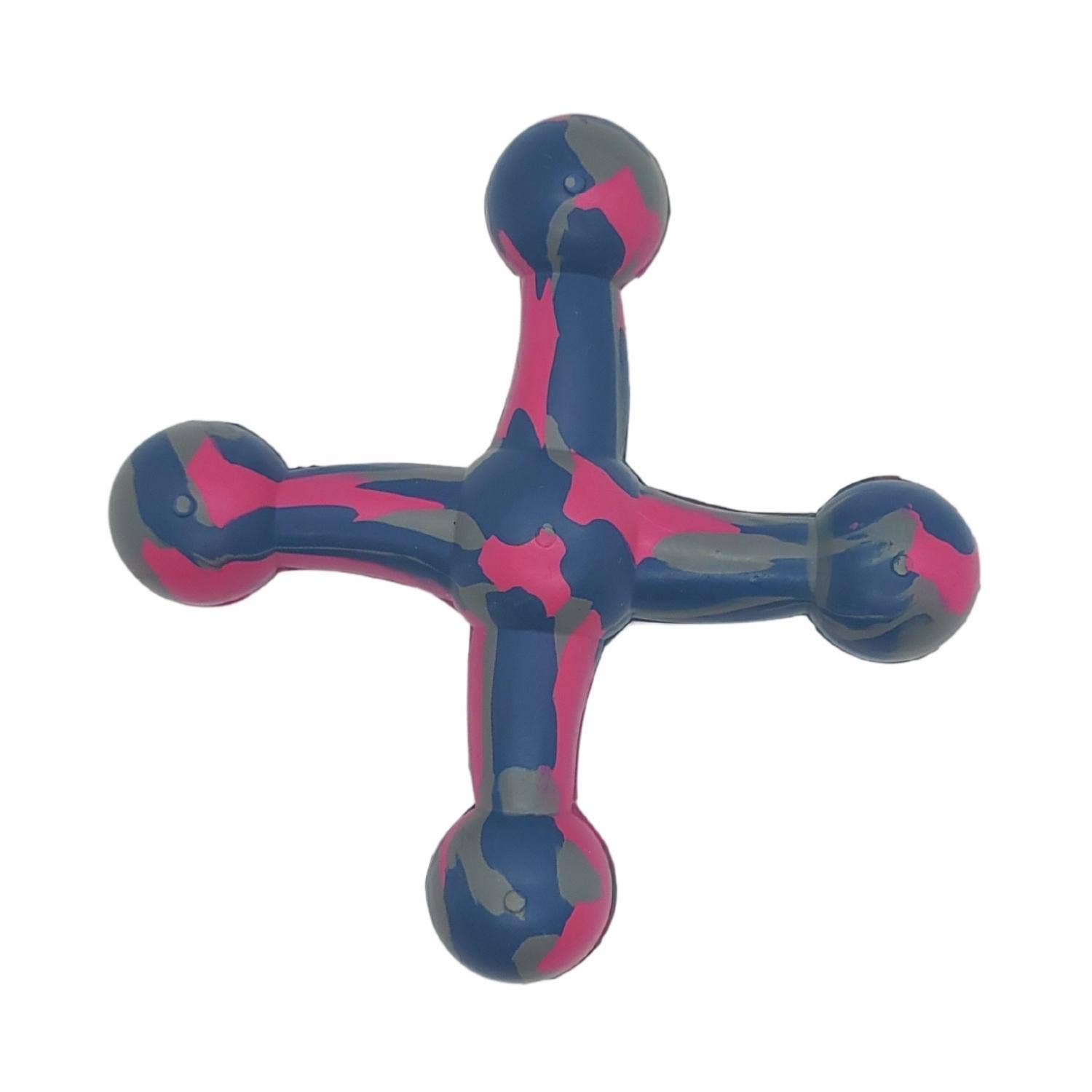
The hemp rope tug toy uses braided natural fiber built for tug play and gentle to moderate chewers. The hemp rope and coffee wood toy pairs that same rope with a coffee wood core, a byproduct material rather than fresh-cut lumber. The Natural Rubber Jack Dog Toy uses food-safe natural rubber built to bounce and flex through fetch and moderate chew sessions without cracking apart. Every listing states the material plainly instead of hiding behind vague “eco” language, which is exactly the standard this guide asks you to hold every seller to.
Can Natural Materials Trigger Allergies in Dogs?
Natural doesn’t mean risk-free, and that surprises a lot of eco-conscious owners. Dogs can develop contact sensitivities to natural rubber latex, though true latex allergy in dogs is uncommon compared to environmental allergens like pollen or dust mites. Watch for redness, excessive licking around the mouth, or mild swelling after chew sessions with a new rubber toy.
Hemp and cotton fibers rarely cause allergic reactions themselves, but dogs with existing food sensitivities to hemp seed (used in some treats) don’t necessarily react to hemp fiber rope, since the allergen profile of the seed differs from the plant fiber. The more common issue isn’t a true allergy at all. It’s gastrointestinal upset from swallowed rope fibers or wood splinters, which mimics allergy symptoms like vomiting or loose stool without being an immune reaction.
Wood and bamboo carry a lower allergy risk overall, but any finish, stain, or adhesive applied to the wood introduces new chemical exposure. That’s a separate risk from the wood itself.
If your dog shows any reaction, gastrointestinal or skin-related, to a new toy material, pull it immediately and introduce replacements one material at a time. That makes it far easier to identify the actual trigger instead of guessing. Dogs with known environmental or food allergies deserve extra caution here, since a sensitized immune system sometimes reacts to novel proteins in plant fibers or rubber sap that wouldn’t bother a healthy dog.
Which Certifications Actually Apply to Pet Products?
Certification systems built for human textiles and goods increasingly extend into pet products, and knowing which ones actually apply helps you cut through vague marketing fast.
The Global Organic Textile Standard (GOTS) applies to organic cotton and hemp fiber toys, verifying the entire supply chain from raw fiber to finished product meets organic and environmental processing criteria, not just the raw crop. A toy claiming “organic cotton” without a GOTS or equivalent certification number is making an unverified claim.
USDA Organic covers agricultural inputs, relevant mainly to raw cotton or hemp before it’s spun into rope or rope-based toys. It doesn’t cover manufacturing or dyeing processes the way GOTS does, so the two certifications answer different questions.
For rubber and plastic components, look for FDA food-contact compliance statements, which confirm the material meets standards for safe contact with mouths, not just general product safety. This isn’t a formal “certification” in the same sense as GOTS, but reputable sellers publish the compliance statement directly on product pages.
Third-party sourcing verification, like the Oceanworks partnership behind some ocean-bound plastic blends, functions as an informal certification layer even without a single unified pet-industry standard. The Pet Sustainability Coalition works toward building that kind of unified framework, but until it’s universal, your best defense is asking sellers directly which certifications back their specific claims and requesting documentation rather than accepting a badge graphic on the packaging.
Why Does the Material You Choose Support More Than Your Dog?
Every material choice ripples outward from your dog’s toy box into the communities and economies that produce it. Hemp farming, for instance, requires a fraction of the water and pesticide input that cotton demands, which means hemp cooperatives often operate on thinner margins but with a genuinely lighter environmental footprint per acre.
Natural rubber harvesting supports smallholder farmers across rubber-producing regions, many of whom depend on sustainable tapping practices, cutting the bark without killing the tree, to maintain both their income and the forest itself for decades, as detailed in MSC-sertifisert fisk til hund — Dr-Clauder Norge. Buying rubber toys sourced through fair labor practices supports that long-term model instead of extraction that strips the land bare in a few seasons.
Recycled plastic and TPE programs create demand for collection infrastructure, particularly ocean-bound plastic recovery, which often relies on coastal communities in regions with limited waste management systems. Every purchase tied to verified sourcing effectively funds more collection, which funds more jobs in places that badly need them.
Choosing American-made toys built from these materials also keeps manufacturing jobs and quality oversight closer to home, rather than routing production through supply chains with little transparency. It’s a smaller ripple than international fair trade certification, but it’s a real one, and it’s easier for a shopper to verify.
None of this makes the “sustainable” toy automatically the cheapest option on the shelf. It usually costs more, because paying fair wages and sourcing responsibly costs more than cutting corners does.
What This Guide Gets Right That Most Buying Advice Misses
Most sustainability guides treat every eco-friendly material as interchangeable, as if a hemp rope toy and a natural rubber chew serve the same dog equally well. They don’t. The single biggest mistake buyers make is choosing based on the “greenest” label rather than their dog’s actual chewing behavior, then wondering why an expensive rope toy is destroyed in a week.
The conventional advice also oversells certifications as a complete safety guarantee. A GOTS certification tells you the cotton was grown and processed responsibly. It tells you nothing about whether your 80-pound aggressive chewer will shred that same cotton rope in one afternoon. Certifications answer the sustainability question. They don’t answer the durability question, and treating them as one and the same is where a lot of well-intentioned buyers waste money.
If you take one thing from this guide, prioritize chew style first, sourcing verification second, and price last. A slightly pricier natural rubber toy that survives six months beats three cheap rope toys that end up in a landfill within weeks, sustainable material or not.
— Christopher
Shop Sustainable Toys Built for the Way Your Dog Actually Plays
It can be simpler to buy American-made toys when the material, sourcing, and best-use case are stated plainly on every listing, reducing guesswork about which “eco-friendly” label actually means something.
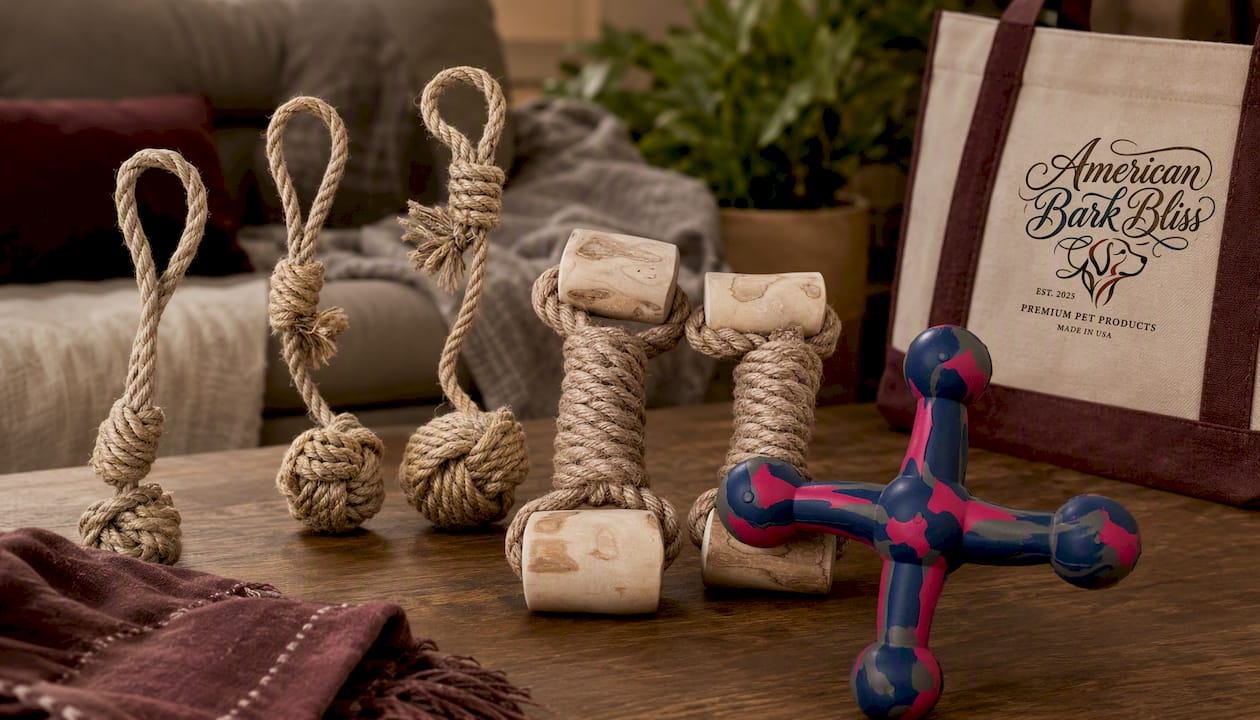
If your dog is a gentle chewer who loves tug play, the hemp rope dog tug toy delivers biodegradable fiber built for exactly that. Dogs that like a bit more texture and a natural wood component will do well with the hemp rope and coffee wood toy, which pairs rope durability with a byproduct wood core. For moderate to aggressive chewers who need something that flexes instead of cracking, the Natural Rubber Jack Dog Toy is built for fetch, bounce, and serious chew sessions. Browse the full collection and pick the one that matches how your dog actually plays.
Where to Verify Material and Safety Claims
For a deeper look at how eco-friendly pet toy materials are evaluated, the Beginner’s Guide to Eco-Friendly Pet Toys breaks down common material categories in plain language. The Seaflex FAQ from West Paw documents how ocean-bound plastic sourcing gets verified in practice. EcoFurball’s material safety breakdown covers fraying and ingestion risks in more detail, and the Pet Sustainability Coalition offers frameworks for checking any brand’s sustainability claims yourself before you buy.
Sources
- Beginner’s Guide to Eco-Friendly Pet Toys — PetAssure
- What materials are safest for dog toys? — EcoFurball
- Pet Sustainability Coalition
FAQ
What Is the Safest Material for Dog Toys?
Food-safe or FDA-compliant natural rubber is widely considered one of the safest options because it flexes under bite pressure instead of shattering into sharp pieces, though the right material still depends on your dog’s chew style.
What Are Eco-Friendly Dog Toys Made Of?
Most eco-friendly toys use natural rubber, hemp, organic cotton, jute, responsibly recycled plastics or TPE blends, or untreated wood and bamboo, each suited to different play styles and chew intensities.
What Material Is Generally Not Safe for Dog Toys?
Brittle, unverified plastics and toys with toxic varnishes, glued composite pieces, or vague “natural” labeling with no certification behind them pose the highest risk of cracking into sharp fragments or exposing dogs to chemical residue.
What Are Some Eco-Friendly Dog Toys Available?
Options include braided hemp rope tug toys, hemp rope paired with coffee wood, natural rubber chew and fetch toys, and toys built from verified ocean-bound recycled plastic, some sellers stock these with clear material labeling on every product page.
Leave a comment