

Signs of High Quality Dog Accessories: A Buyer's Guide
TL;DR:
- High-quality dog accessories are defined by safety, durability, and proper fit, not just looks or price. Material choice, reinforced construction, and correct sizing are essential for genuine quality and long-term safety. It is best to prioritize spending on safety-critical gear like harnesses and restraints over toys and decorative items.
High-quality dog accessories are defined by three measurable factors: safety, durability, and correct fit. The signs of high quality dog accessories go well beyond a polished look or a premium price tag. The American Veterinary Medical Association (AVMA) recommends every dog wear a collar with a current ID tag plus a microchip, which tells you something important: even the most basic accessory has a safety standard attached to it. Knowing what separates genuinely well-made gear from cheap imitations protects your dog and saves you money in the long run.
1. Signs of high quality dog accessories start with materials
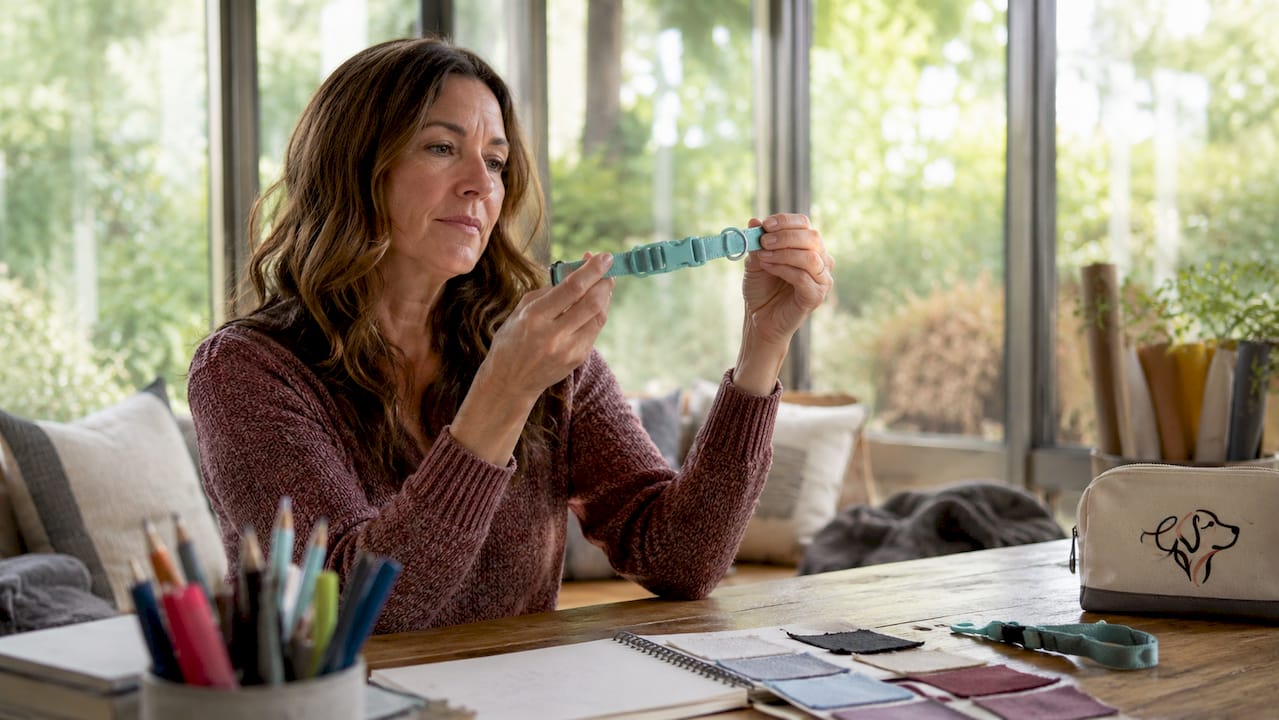
Material choice is the single clearest indicator of how long a dog accessory will last. You can spot premium gear before you even read the label.
Hardware tells the truth first. Solid brass or stainless steel hardware resists corrosion and lasts far longer than zinc alloy or chrome-plated clips. Zinc alloy corrodes quickly, especially in humid climates, and that corrosion can transfer to your dog’s coat. Solid hardware also feels heavier in your hand. That weight is a reliable shortcut for quality.
Leather and fabric require the same scrutiny. Vegetable-tanned leather ages well and develops a patina over time. Cheap leather peels or stiffens within months. For fabric items like harnesses and beds, look for coatings that resist moisture and fabrics that hold their shape after washing.
- Solid brass or stainless steel hardware: resists rust and corrosion
- Vegetable-tanned leather: outlasts chrome-tanned alternatives by years
- Moisture-resistant fabric coatings: protect against mildew and odor
- Machine-washable covers on beds and harnesses: support long-term hygiene
- Reinforced stress points: prevent tearing at the spots that take the most load
Pro Tip: Match materials to your dog’s environment. A dog that swims or lives in a humid climate needs stainless steel hardware and synthetic fabrics. A city dog on dry pavement can wear leather comfortably for years.
2. Craftsmanship details that reveal true build quality
Construction quality shows up in the small details most buyers overlook. Run your fingers along every seam before you buy.
Triple-layer reinforced stitching at stress points is the clearest sign of a well-built leash or harness. Single stitching at connection points fails under sudden load, exactly when you need the gear to hold. Check where the leash attaches to the clip and where the collar ring meets the webbing. Those are the two spots that fail first on cheap gear.
Swivel clips are another reliable signal. A quality swivel clip rotates smoothly in every direction without catching or grinding. Stiff or loose clips indicate low-grade casting. A uniform finish on hardware can mask cheap plating underneath, so weight and texture matter more than shine. Properly aligned seams and centered hardware placement also reduce chafing and pressure points on your dog’s skin.
- Smooth, full-rotation swivel clips: indicate quality casting
- Triple-layer stitching at D-rings and attachment points: prevents sudden failure
- Centered hardware placement: reduces rubbing and skin irritation
- Consistent stitching density across the full length: no skipped or loose threads
- Even, matte finish on metal: often more durable than high-gloss plating
Pro Tip: Before buying, flex the hardware by hand. A quality clip snaps shut with a clean, firm click. A hollow or rattling sound signals thin metal that will wear out fast.
Checking harness fit and durability together gives you a complete picture of whether a product will hold up under real use.
3. Why fit and safety certifications matter more than style
Style is the last thing you should evaluate. Fit and safety features are the first.
Pet safety experts emphasize that a harness too small causes chafing and pressure injuries. A harness too large fails to protect your dog in an emergency. The two-finger rule for collars is the industry standard: you should be able to slide two fingers between the collar and your dog’s neck. Any tighter risks tracheal injury. Any looser and the collar slips off.
Crash-tested car restraints represent the clearest example of safety certification in pet gear. Crash-tested restraints cost between $15 and $75 and provide measurable protection during travel. That price range is accessible, which means there is no reason to use an untested alternative. Reflective stitching, padded chest plates, and climbing-grade clips are additional safety features worth paying for.
| Safety Feature | What to Look For | Why It Matters |
|---|---|---|
| Harness fit | Two-finger gap at chest and back | Prevents chafing and pressure injuries |
| Collar fit | Two-finger gap at neck | Prevents tracheal injury |
| Car restraint | Crash-test certification label | Provides measurable travel protection |
| Reflective stitching | Visible at 50+ feet in low light | Improves visibility during night walks |
| Padding | Dense foam or neoprene at contact points | Reduces friction on skin and coat |
Learning how to fit a dog harness correctly is as important as choosing the right one. A well-made harness on the wrong fit setting performs no better than a cheap one.
4. How durability testing and user reviews reveal real quality
Marketing copy describes what a product is supposed to do. Verified buyer reviews describe what it actually does after six months of daily use.
Verified buyer reviews highlight long-term wear patterns that product photos never show. Look for reviews that mention hardware after extended use, fabric condition after repeated washing, and whether buckles still click firmly after months of daily wear. One-star reviews that describe specific failure points are more useful than five-star reviews that only mention appearance.
Common failure points in lower-quality gear follow a predictable pattern:
- Hardware corrosion or cracking within the first season
- Stitching separation at D-rings after heavy pulling
- Fabric fading or stretching after three to five washes
- Buckle teeth wearing smooth and failing to lock
- Padding compressing permanently within weeks
Invest more in gear that directly affects your dog’s safety and health. Harnesses, beds, and car restraints justify a higher price because your dog uses them every single day. Toys and purely decorative items are where you can reasonably spend less. This tiered approach gives you the best return on what you spend.
5. Matching accessories to your dog’s lifestyle and environment
The best gear for a 90-pound working dog in rural Georgia looks nothing like the best gear for a 12-pound terrier in a Seattle apartment. Lifestyle fit is a genuine quality indicator.
Environmental factors heavily influence which materials hold up. Humid climates accelerate hardware corrosion and can cause mildew in fabric beds. High-activity dogs need no-pull harnesses with padded chest plates and shock-absorbing leashes. Dogs that travel frequently need crash-tested restraints. Dogs with sensitive skin need smooth-lined collars without exposed stitching on the interior.
- High-activity dogs: no-pull harnesses, reinforced leashes, padded chest plates
- Travel dogs: crash-tested car restraints with all-steel hardware
- Water dogs: stainless steel hardware, synthetic quick-dry fabrics
- Sensitive-skin dogs: smooth interior lining, no raw seam edges
- Urban dogs: reflective stitching, lightweight hardware, easy-clean fabrics
Accessories for enrichment, like puzzle feeders and chew toys, follow different quality standards than safety gear. For enrichment items, focus on non-toxic materials and size appropriateness. For safety gear, fit and construction are non-negotiable. Knowing which category an item falls into helps you allocate your budget where it counts most.
The types of dog accessories available today span a wide range of functions. Understanding that range helps you prioritize what to buy first and what to upgrade over time.
6. What American-made standards add to quality assurance
American-made dog accessories carry a specific set of manufacturing expectations that matter for safety-conscious dog owners. Domestic production means stricter oversight of material sourcing, labor conditions, and finished product standards.
Hardware sourced and assembled in the United States is less likely to contain the low-grade alloys common in mass-produced imports. Stitching standards in American manufacturing facilities tend to be more consistent because quality control happens closer to the production line. That consistency shows up in the finished product as uniform thread tension, aligned seams, and hardware that sits flush rather than at an angle.
Americanbarkbliss focuses specifically on American-made pet accessories, which means the products on the platform reflect domestic craftsmanship standards. Choosing gear made in the USA also supports domestic manufacturing, which is a meaningful consideration for dog owners who care about where their money goes.
Key Takeaways
The most reliable signs of high-quality dog accessories are material integrity, reinforced construction, correct fit, and verified real-world durability.
| Point | Details |
|---|---|
| Hardware material matters most | Choose solid brass or stainless steel over zinc alloy to prevent corrosion and gear failure. |
| Fit is a safety requirement | The two-finger rule for collars and harnesses prevents tracheal injury and chafing. |
| Invest where it counts | Spend more on harnesses, beds, and restraints; save on toys and decorative items. |
| Construction details reveal quality | Triple-layer stitching and smooth swivel clips separate durable gear from cheap alternatives. |
| Match gear to your dog’s environment | Humid climates, high activity, and travel needs each require specific materials and features. |
What I’ve learned after years of watching owners buy the wrong gear
The most common mistake I see is buying based on color and price alone. A leash that matches your jacket but fails at the clip on a busy street is not a style choice. It is a safety failure.
The gear that holds up longest is almost never the flashiest item on the shelf. It is the harness with the slightly boring black webbing that has triple-stitched D-rings and a brass clip that still snaps clean after two years. Style matters, but it belongs at the end of your checklist, not the beginning.
I have also noticed that dog owners tend to under-invest in beds and over-invest in toys. A dog that sleeps on a compressed, unsupportive bed for eight hours a night is accumulating joint stress that shows up years later. A well-constructed orthopedic bed with a machine-washable cover is one of the highest-value purchases you can make for a medium or large dog.
The other trap is replacing cheap gear repeatedly instead of buying quality once. Three $12 leashes over two years costs more than one $30 leash that lasts five years. The math is simple, but the upfront price still stops people. My advice: buy the best harness and leash you can afford right now, and replace everything else gradually as it wears out.
— Christopher
Premium gear built to the standards that matter
Dog owners who know what to look for deserve gear that actually delivers on those standards. Americanbarkbliss carries American-made accessories built with the construction quality, material integrity, and safety features covered in this guide.
The Wolfdoge Signature Leash and Wolfdoge Signature Collar are built with the hardware weight, stitching density, and finish consistency that separate durable gear from disposable alternatives. For dog owners who want function with a sharper look, the Ichimatsu Checker Leash delivers both without cutting corners on construction. Every product on Americanbarkbliss reflects the same commitment to American craftsmanship and safety-first design.
FAQ
What are the clearest signs of a high-quality dog harness?
Triple-layer stitching at stress points, smooth swivel clips, and a padded chest plate are the clearest construction signs. Correct fit, with a two-finger gap at all contact points, confirms the harness will perform safely under real use.
How do I know if dog collar hardware is good quality?
Solid brass or stainless steel hardware feels heavier than zinc alloy and does not corrode in humid conditions. Cheap plating can mask low-grade castings, so weight and smooth movement matter more than surface shine.
Is a crash-tested car restraint worth the cost?
Yes. Crash-tested restraints cost between $15 and $75 and provide measurable protection during travel that untested alternatives cannot match.
How should I use reviews to judge gear durability?
Focus on verified buyer reviews that describe hardware condition and fabric integrity after six or more months of daily use. Specific failure descriptions in low-rated reviews are more informative than general praise in high-rated ones.
Should I spend the same amount on all dog accessories?
No. Prioritize spending on safety and health items like harnesses, beds, and car restraints. Toys and decorative items are lower-priority categories where saving money is a reasonable choice.
Leave a comment