

Pet Product Customization: What Every Dog Owner Should Know
TL;DR:
- Pet product customization involves designing products from raw materials for a perfect fit and function, unlike surface-level personalization. True customization offers improved safety, durability, and style tailored to a pet’s specific needs, while personalization adds only decorative details. Knowing the difference helps owners select the right approach for long-lasting, well-fitting pet gear.
Pet product customization is the process of designing and creating pet items uniquely tailored to an individual pet’s specific needs, size, and style. The industry draws a clear line between two approaches: personalization, which adds surface details like an embroidered name, and true customization, which means designing a product from raw materials with full control over structure, hardware, and fabric. Understanding this difference saves you money, prevents disappointment, and helps you get exactly what your dog needs. Americanbarkbliss is built around this principle, offering American-made products that prioritize quality, fit, and function for dog owners who refuse to settle for generic.
What is pet product customization, and how does it differ from personalization?
Pet product customization is defined as full design control over a product’s raw materials, structural dimensions, patterns, and hardware. Personalization, by contrast, is adding a minor detail to a product that already exists. Think of it this way: putting your dog’s name on a standard nylon collar is personalization. Choosing the nylon weight, buckle color, stitching pattern, and width from scratch is true customization.
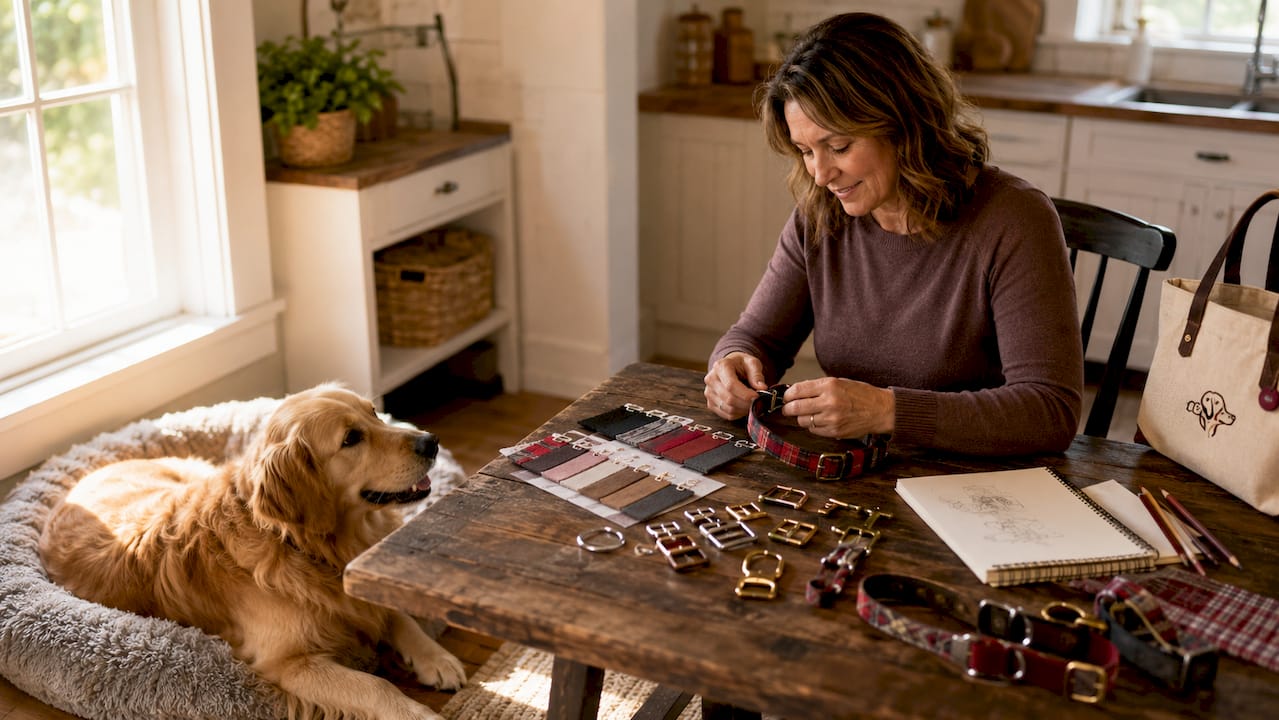
The distinction matters more than most pet owners realize. Personalization is limited to surface-level changes. True customization enables building a unique product identity and delivers superior functional performance. A harness personalized with a photo looks great but still fits the same as every other harness in that size run. A truly customized harness accounts for your dog’s chest depth, neck circumference, and activity level before a single piece of webbing is cut.
Both approaches have real value. Personalization is faster, cheaper, and widely available. True customization takes more time and often requires working directly with a manufacturer or a specialist retailer. Knowing which one you actually need is the first step toward a product your dog will wear comfortably for years.
| Feature | Personalization | True customization |
|---|---|---|
| Design control | Surface details only | Full material and structure |
| Examples | Name, photo, monogram | Fabric type, hardware, dimensions |
| Cost | Lower | Higher |
| Turnaround | Fast | Longer lead time |
| Best for | Gifts, aesthetics | Fit, function, brand identity |
Pro Tip: Before ordering, ask the retailer directly: “Can I choose the base material and hardware?” If the answer is no, you are looking at personalization, not true customization.
What functional and aesthetic benefits does customization offer?
Customization in pet gear delivers material selection and structural adjustments tailored to breed, size, and activity level. That is not a marketing claim. It is the core reason custom pet products exist. A Greyhound needs a wider neck collar than a Labrador of the same weight. A working dog needs hardware that will not corrode after months of outdoor use. Off-the-shelf products rarely solve these problems.
The functional benefits of true customization include:
- Material fit for purpose. Nylon suits active dogs who swim or hike. Fleece works for small breeds sensitive to cold. PU leather offers a clean, durable look for urban dogs with lower activity demands.
- Structural precision. Custom sizing eliminates the gap between “medium” and “large” that leaves many dogs in ill-fitting gear.
- Hardware choices. Brass, stainless steel, and zinc alloy each perform differently under stress and weather. Choosing the right one extends product life significantly.
- Safety improvements. A collar that fits correctly is less likely to slip off or cause tracheal pressure. Knowing why collar quality matters is the foundation of any customization decision.
The aesthetic benefits are equally real. Pet humanization drives demand for personalized and customized products as expressions of both pet identity and owner style. This trend mirrors broader lifestyle shifts toward branded, luxury pet accessories that parallel human fashion. Your dog’s collar is visible every time you walk down the street. Owners increasingly treat it as a style statement, not just a safety tool.
Custom pet home products like beds and portraits add another layer. Removable, washable covers are critical for long-term usability in custom pet home products. A beautiful custom bed that cannot be cleaned is a short-term purchase. Durability and cleanability belong in every customization conversation, not just aesthetics.
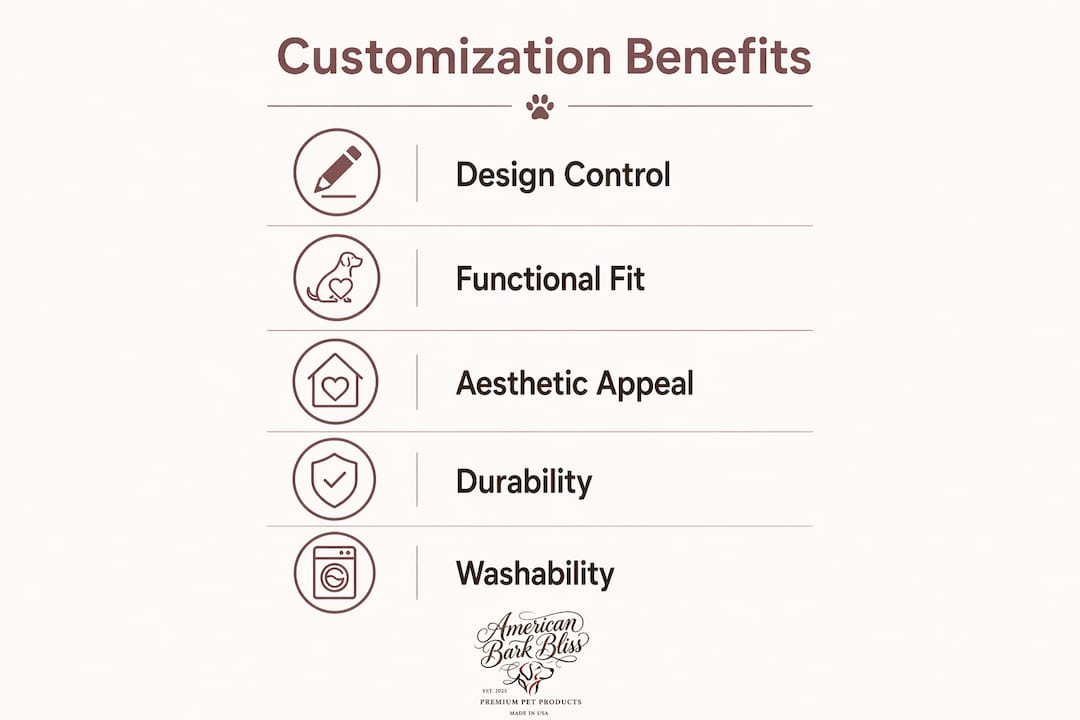
Pro Tip: When customizing a dog bed, always confirm the cover is removable and machine washable. A washable dog bed keeps your investment looking and smelling fresh for years.
How does the customization process work for pet products?
The retail pet product customization steps follow a clear sequence, and knowing each one prevents the most common mistakes. Here is how the process works from concept to finished product:
- Define your requirements. Start with your dog’s measurements: neck circumference, chest girth, back length, and weight. Note the activity level and any sensitivities, such as skin allergies or a history of slipping out of standard collars.
- Choose your materials. Materials and designs vary by breed, activity level, and owner style preferences. Narrow your options to two or three materials before contacting a manufacturer or using an online customizer.
- Select hardware and structural details. Buckle type, D-ring placement, stitching color, and padding thickness all affect the final product. Write these down before you start the ordering process.
- Submit design files or use a configurator. For photo-based products, 300 DPI resolution and appropriate lighting are required to avoid pixelation. Blurry or low-light photos produce poor print results regardless of how good the product base is.
- Validate quality before full production. Reputable manufacturers offer samples or digital proofs. Review these carefully. Automated image quality validation during the upload stage improves customer satisfaction and reduces returns on photo products.
- Confirm minimum order quantities. Low minimum order quantities, as low as 100 mixed sizes, make true customization accessible for small brands and individual buyers. This flexibility has opened the market to niche products that mass retailers cannot stock.
- Review the sample and approve production. Never skip this step. A sample reveals fit, color accuracy, and hardware function before you commit to a full run.
The most common pitfall is expecting true customization results from a personalization service. If you order a “custom” collar from a print-on-demand platform, you are getting a standard collar with your design printed on it. That is a legitimate product, but it will not solve a fit problem or a durability concern.
What pet products are best suited for customization?
Collars, harnesses, and ID tags are the most popular categories for custom pet products. They are worn daily, visible to others, and directly affect safety and comfort. Laser engraving and sublimation technology enable quick, durable personalization of pet accessories like tags, collars, and bowls. These methods produce results that outlast printed labels by years.
Beyond wearables, the following product categories offer strong customization value:
- Apparel. Jumpsuits, jackets, and sweaters benefit from size customization more than almost any other category. Breed body shapes vary enormously, and standard sizing leaves many dogs in clothes that restrict movement or fall off.
- Beds and mats. Custom dimensions fit specific spaces in your home. Custom covers match your interior design. The practical requirement, as noted above, is washability.
- Bowls and feeding accessories. Engraved or printed bowls add a personal touch. Height and size customization supports dogs with joint issues or deep chests.
- Toys. Photo-printed toys and custom shapes are popular gift items. Durability is the key quality metric here, not aesthetics.
- Photo products. Portraits, blankets, and ornaments use your pet’s image as the design. These require high-resolution source photos and a reliable print process.
| Product category | Best customization type | Key quality factor |
|---|---|---|
| Collars and harnesses | True customization (material, fit) | Hardware durability, correct sizing |
| Apparel | True customization (dimensions) | Mobility, fabric weight |
| Beds | True customization (size, cover) | Washable cover, foam density |
| Tags and bowls | Personalization (engraving, print) | Engraving depth, material grade |
| Photo products | Personalization (image print) | Image resolution, print longevity |
Understanding how to choose a dog collar based on material and activity level is the foundation for any collar or harness customization project. The same logic applies across every product category: function first, aesthetics second.
Key Takeaways
Pet product customization delivers the most value when owners distinguish true customization from personalization and match the approach to their dog’s specific functional needs.
| Point | Details |
|---|---|
| Define the two categories | Personalization adds surface details; true customization controls materials, structure, and hardware. |
| Function drives the decision | Match material and structural choices to your dog’s breed, size, and activity level. |
| Photo products need quality images | Submit photos at 300 DPI with good lighting to avoid pixelation and print errors. |
| Washability matters for home products | Always confirm custom beds and mats have removable, machine-washable covers. |
| Know the process before you order | Follow the full customization sequence from measurements to sample approval to avoid costly mistakes. |
Why I think most pet owners are asking the wrong question
Most pet owners ask, “Where can I get a custom product?” The better question is, “What problem am I actually trying to solve?” I have seen owners spend real money on beautifully engraved collars that still slip off a Whippet’s narrow neck. The engraving was perfect. The fit was wrong. That is a personalization purchase masquerading as a customization solution.
The pet industry has done a poor job of educating buyers on this distinction. “Custom” appears on product listings that offer nothing more than a name field at checkout. That is not a criticism of those products. They serve a real purpose. But they will not fix a fit problem, a durability problem, or a safety problem.
My honest observation after following this market closely: the owners who get the most from customization are the ones who start with their dog’s physical needs, not with a design idea. Measure first. Choose materials second. Add the aesthetic layer last. That sequence produces products that last, fit well, and still look great after two years of daily use.
The handmade collar market is a good example of this done right. Craftspeople who build collars by hand tend to ask about the dog before they ask about the design. That order of operations is the difference between a product that works and one that just looks good in photos.
— Christopher
Quality American-made pet products from Americanbarkbliss
Americanbarkbliss carries a curated range of American-made dog accessories built for owners who take quality seriously. Every product in the catalog reflects a commitment to durable materials, honest sizing, and domestic craftsmanship.
Whether you are looking for USA-made dog treats to reward your dog or a durable rubber toy built to last, Americanbarkbliss stocks products that meet the same standards you apply when customizing your dog’s gear. Browse the full collection at americanbarkbliss.com and find products that combine American craftsmanship with the style and function your dog deserves.
FAQ
What is the difference between personalized and custom pet products?
Personalized pet products add surface details like names or photos to an existing design. Custom pet products are built from raw materials with full control over structure, fit, and hardware.
What resolution do I need for photo-based pet products?
Submit photos at 300 DPI with good lighting. Images below this threshold produce pixelated prints that reduce product quality significantly.
How do I start the pet product customization process?
Begin with your dog’s measurements and activity level, then select materials and hardware before contacting a manufacturer or using an online configurator.
Are truly custom pet products more expensive than personalized ones?
True customization costs more because it involves material selection, structural design, and often a sampling stage. Personalization is faster and cheaper but does not solve fit or durability issues.
What pet products benefit most from true customization?
Collars, harnesses, and apparel benefit most because fit directly affects safety and comfort. Beds also benefit when custom dimensions or washable covers are required for a specific space or lifestyle.
Leave a comment