

Pet Accessory Shopping Checklist for New Pet Owners
Before your new pet sets a single paw in your home, you need the right gear staged and ready. The first 72 hours are mostly about routine, not shopping runs, so buy essentials before pickup day. Here is the core checklist every new pet owner needs:
- Food and water bowls (stainless steel or ceramic)
- Collar with engraved ID tag
- Leash and properly fitted harness
- Crate or carrier sized for your pet
- Washable bed or blanket
- Enzymatic cleaner and waste disposal supplies
- Safe chew toys and one puzzle feeder
- Grooming basics: brush, nail clippers, pet-safe shampoo
- First aid kit with vet-approved essentials
- Poop bags and litter box (cats)
Staged purchasing beats buying everything at once. Get safety and feeding gear first, then add comfort and enrichment items once you know your pet’s size and habits.
Table of Contents
- What feeding supplies does your new pet actually need?
- How to choose collars, ID tags, and safety gear
- Setting up a comfortable living space for your pet
- Toys, enrichment, and training supplies
- Grooming and health care basics
- Expert tips for organizing your pet accessory buying guide
- Which accessories depend on your pet’s type and breed?
- Health monitoring tools every new pet owner should have
- Americanbarkbliss has the premium gear your new pet needs
- FAQ
- Key Takeaways
What feeding supplies does your new pet actually need?
The bowl material matters more than most new owners expect. Stainless steel or ceramic bowls resist bacteria better than plastic, which traps odors and degrades over time. Pair them with a measuring scoop so portions stay consistent from day one.
- Stainless steel or ceramic food and water bowls
- Measuring scoop for accurate portions
- Airtight container for dry food storage
- Elevated feeder (for large breeds or pets with joint issues)
- Puzzle feeder or slow-feed bowl to prevent gulping
For more on mealtime accessories, breed-specific bowl sizing and feeder types make a real difference in digestion and daily routine.
How to choose collars, ID tags, and safety gear
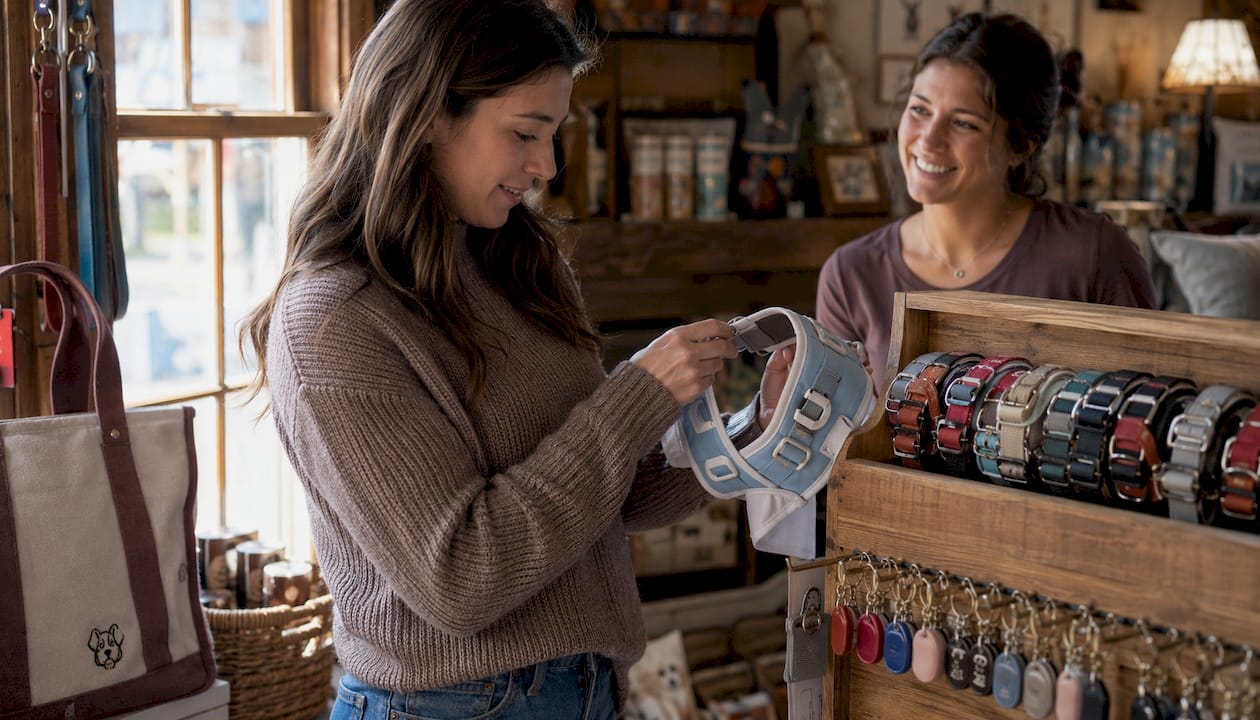
A collar that fits poorly is a safety risk, not just a comfort issue. Use a soft tape measure for the neck and chest, then check fit by slipping two fingers between the strap and your pet’s skin. If you can’t fit two fingers, it’s too tight; if the harness rotates around the body, it’s too loose.
- Flat collar with engraved ID tag (phone number, not just name)
- Breakaway collar for cats (releases under pressure if snagged)
- Front-clip or back-clip harness matched to your dog’s size and behavior
- Standard 6-foot leash for daily walks
- Pet seat belt or car harness tether for vehicle travel
- GPS tracker for escape-prone pets
- Seasonal gear: reflective vest, winter coat, paw boots, or cooling mat
The Center for Pet Safety tests crash-rated restraints for vehicle travel. For harness fit details, the adjustable harness guide covers sizing and adjustment points step by step.
Setting up a comfortable living space for your pet
The right crate size makes house training dramatically easier. It should be large enough for your pet to stand, turn around, and lie down, but not so large they can eliminate in one corner and sleep in another. Buy for adult size and use a divider for puppies.
- Appropriately sized crate with a divider for growing puppies
- Washable bed or orthopedic mat
- Exercise pen or baby gates for safe room access
- Extra blankets for warmth and stress reduction
- Soft-sided travel carrier for vet visits and outings
A quiet, predictable rest zone reduces anxiety during the first week at home, when establishing routine matters more than any single product.
Toys, enrichment, and training supplies
Rotate toys rather than leaving everything out at once. Keeping a limited number of accessible toys at a time maintains your pet’s interest longer and helps prevent the floor from becoming cluttered. Store the rest and swap them weekly.
- Chew toys suited to your pet’s jaw strength
- Plush or comfort toy for crate time
- Puzzle feeder or treat-dispensing toy
- Fetch toy (ball, disc) for outdoor play
- Training clicker and small treat pouch
- Reward treats for obedience sessions
A consistent dog training routine pairs well with the right supplies. Clickers and treat pouches are inexpensive but make early training sessions far more effective.
Grooming and health care basics
Grooming is not optional, even for short-haired pets. Regular brushing reduces shedding, prevents matting, and gives you a chance to spot skin issues early. Start handling paws, ears, and mouths from day one so your pet accepts grooming as normal.
- Slicker brush or deshedding tool matched to coat type
- Pet-safe shampoo and conditioner
- Nail clippers or grinder
- Dog toothbrush and pet-safe toothpaste
- Enzymatic stain and odor remover
- Poop bags (biodegradable preferred)
- Vet-approved first aid kit for handling emergencies at home
First aid kits with vet-approved essentials give new owners the tools to respond confidently before reaching a clinic. For senior pets, vet-approved supplements like omega fatty acids and glucosamine support joint health and skin condition.
Expert tips for organizing your pet accessory buying guide
Organize supplies by where you use them, not by category. Leashes and collars belong near the door you use for walks. Food, treats, and measuring tools go in the kitchen or pantry. Grooming supplies stay in the bathroom near a sink or tub.
- Store walking gear by the exit door (hooks or a wall organizer)
- Keep food in airtight, labeled containers in the pantry
- Group grooming tools in a portable caddy for easy transport
- Use labeled bins for toys; rotate 3–4 out at a time
- Budget separately for consumables (bags, treats, cleaning sprays) since they need regular replacement
Pro Tip: Create one dedicated pet station near your home’s main transition point, whether that’s the mudroom or entryway. When everything has a fixed spot, daily pet care takes seconds instead of minutes of searching.
Prioritize quality for safety-critical items like harnesses and leashes, and save on novelty or decorative accessories until you know what your pet actually uses.
Which accessories depend on your pet’s type and breed?
A golden retriever and a Siamese cat need completely different setups beyond the basics. Breed and species shape which accessories are genuinely useful versus just clutter.
- Cats: Scratching post (vertical and horizontal options), litter box with low entry for kittens, cat tree or wall perches, wand toys, and a breakaway collar only
- Small dogs: Step-in harness to protect the trachea, small-bite kibble bowl, compact crate, and a short leash for close control in crowds
- Large or working breeds: Heavy-duty front-clip harness, orthopedic bed with thick foam, durable rubber chew toys, and a long training leash
- Double-coated breeds: Undercoat rake and slicker brush in addition to standard grooming tools
- Senior pets: Orthopedic or memory foam bed, ramp or steps for furniture access, and joint-support supplements
Health monitoring tools every new pet owner should have
A pet thermometer is one of the most overlooked items on any essential pet supplies list. Normal body temperature for dogs and cats runs between 101°F and 102.5°F. Knowing how to take a reading at home can help you decide whether a vet visit is urgent.
- Digital rectal thermometer (pet-specific)
- Flea and tick prevention (topical, collar, or oral, based on vet recommendation)
- Tick removal tool
- Wound wash or saline solution
- Gauze pads and self-adhesive bandage wrap
- 50-piece travel first aid kit for emergencies at home and on the road
Schedule a vet visit within 72 hours of bringing your pet home. That first exam sets the vaccination schedule, confirms microchip registration, and starts your relationship with a veterinarian who will know your pet for years.
Americanbarkbliss has the premium gear your new pet needs
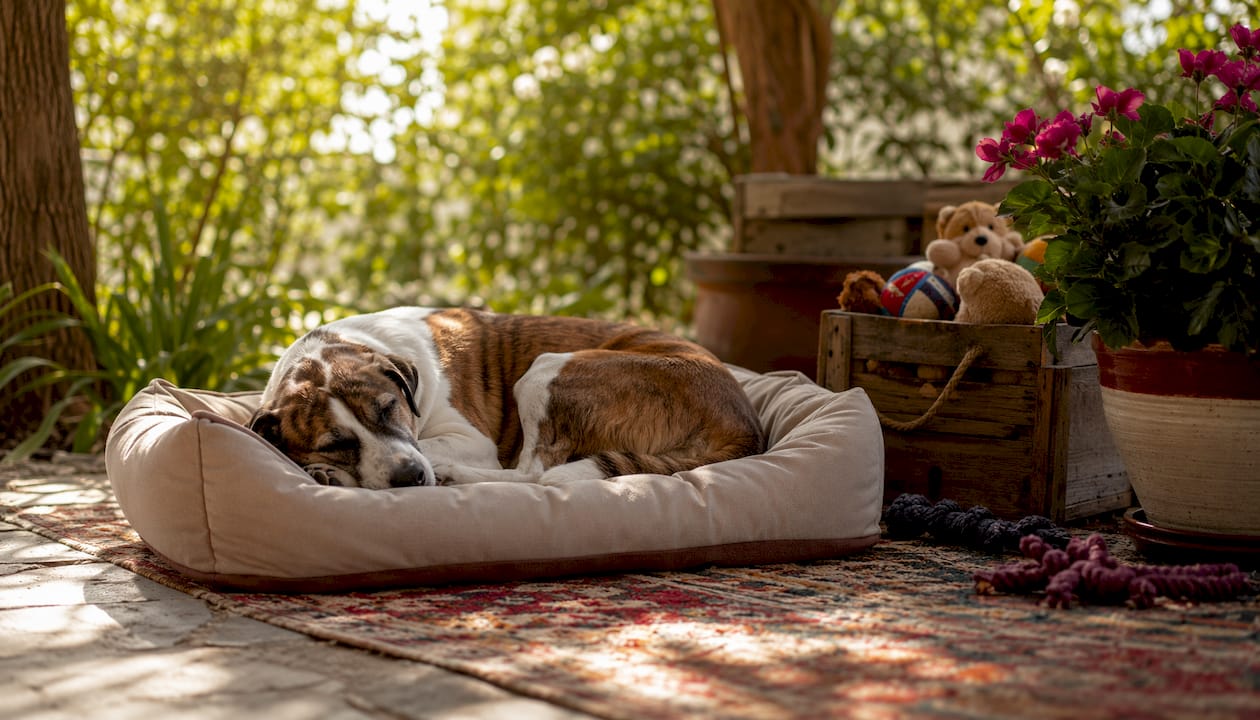
American-made quality is the difference between gear that lasts a year and gear that lasts a decade. Americanbarkbliss carries premium pet accessories built in the USA, with a focus on safety, durability, and style that holds up to real daily use.
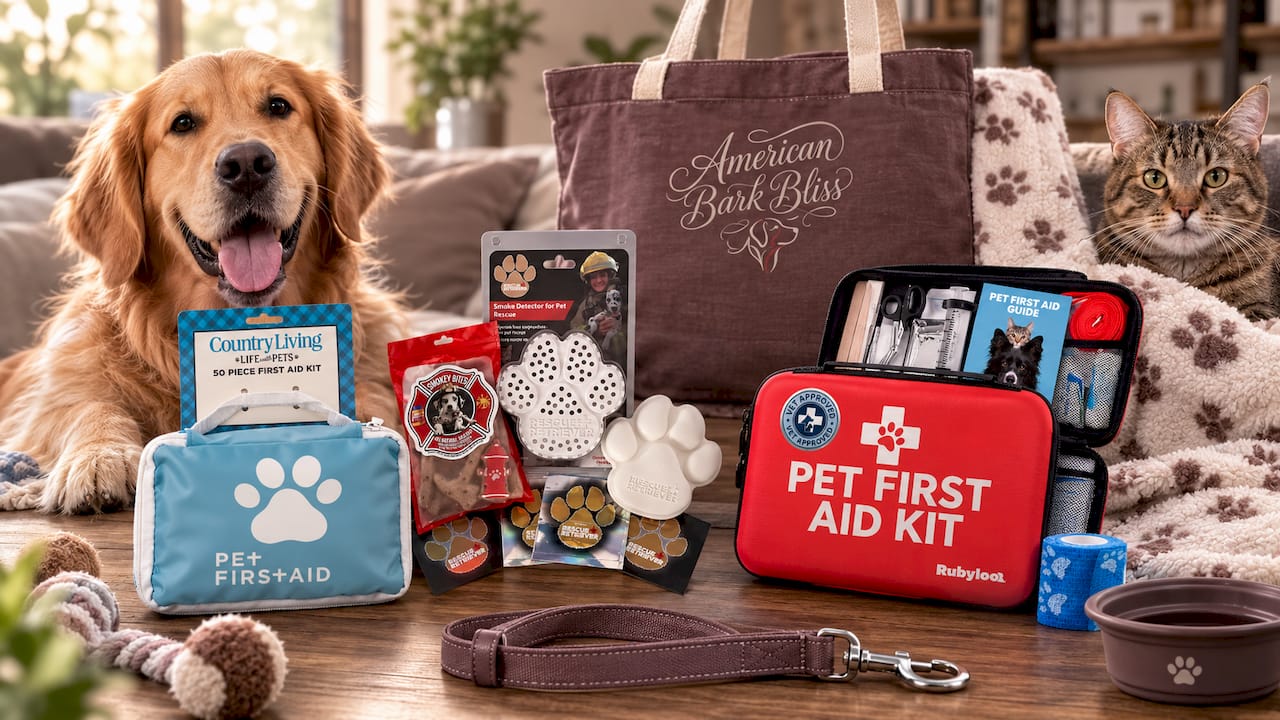
The Pawtection Essential Bundle gives new pet owners a curated safety and wellness starting point, covering the items most likely to matter in the first weeks. Every product is sourced with American craftsmanship and tested for the pets that wear and use them daily. Browse the full collection at Americanbarkbliss and build your checklist from gear that actually earns its place in your home.
FAQ
What should I buy before bringing a new pet home?
Buy safety, feeding, and containment gear first: a crate, collar with ID tag, leash, harness, food bowls, and an enzymatic cleaner. Delay specialty or novelty items until your pet’s habits and size are clear.
How do I know if a harness fits correctly?
Slip two fingers under any strap. The harness should not rotate around the body or ride up into the armpits. If your pet shortens their stride or scratches at it constantly, adjust or try a different size.
Do I need a pet first aid kit right away?
Yes. A vet-approved first aid kit belongs in your home from day one. Emergencies rarely wait for a store run, and having basic wound care and a thermometer on hand can make a real difference before you reach a clinic.
What’s the best bowl material for pets?
Stainless steel is the top choice for hygiene and durability. It resists bacteria better than plastic and doesn’t chip like ceramic, and a non-slip base keeps it in place at mealtime.
How often should I replace pet accessories?
Check harnesses, leashes, and collars monthly for fraying, cracked buckles, or stretched holes. Grooming consumables and waste supplies need restocking regularly. Safety gear for active or large pets typically needs periodic replacement depending on wear.
Key Takeaways
A complete pet accessory shopping checklist starts with safety and feeding gear, then adds comfort and enrichment items once your pet’s habits are established.
| Point | Details |
|---|---|
| Buy essentials before arrival | Stage crate, bowls, collar, ID tag, leash, and first aid kit before pickup day. |
| Fit check all wearables | Slip two fingers under any collar or harness strap to confirm a safe, snug fit. |
| Organize by daily use location | Keep walking gear by the door, food supplies in the kitchen, and grooming tools in the bathroom. |
| Rotate toys to maintain interest | Limit accessible toys to 3–4 at a time and swap them weekly to keep pets engaged. |
| Americanbarkbliss for USA-made gear | The Pawtection Essential Bundle and vet-approved first aid kits cover the safety essentials new pet owners need most. |
Leave a comment