

5–15 Minute Snuffle Mat Use for U.S. Dogs: Safety & Lick Mat Swap
Lay the mat flat on a non-slip surface, sprinkle small kibble or tiny treats into the fabric folds, then say your release cue, something like “find it,” and let your dog start sniffing. Supervise the first few sessions, keep them to 5 to 15 minutes, and pull the mat away once it’s empty so your dog doesn’t start chewing on it. Skip wet or raw food unless you’re washing the mat right after. Mental payoff aside, it also slows down dogs who eat too fast.
TL;DR:
- Snuffle mats are best for dry kibble or low-calorie treats; wet or raw foods can promote bacteria if not cleaned immediately after use.
- Short sessions of five to 15 minutes are optimal, with progressive hiding of treats to build skill and maintain engagement.
- They are highly effective for mental enrichment, especially for anxious, senior, or high-energy dogs, and can tire a dog as much as a long walk.
- Proper maintenance includes shaking out crumbs after each use and machine washing weekly or after wet food sessions to prevent odors and mold.
- For resource guarding or biting issues, separate mats or alternative enrichment tools like puzzle feeders are recommended over shared snuffle mats.
Table of Contents
- What Is a Snuffle Mat and How Do You Use It Step by Step?
- Why Do Snuffle Mats Work So Well for Enrichment?
- Which Foods Work Best in a Snuffle Mat?
- How Do You Introduce a Snuffle Mat Safely?
- How Do You Clean and Maintain a Snuffle Mat?
- How Long and How Often Should You Run Sessions?
- What Should You Do If the Snuffle Mat Isn’t Working?
- A Publisher’s Take on Snuffle Mats and Lick Mats
- Which Americanbarkbliss Product Fits Your Dog’s Routine?
- Sources
- FAQ
What Is a Snuffle Mat and How Do You Use It Step by Step?
A snuffle mat is a textured fabric surface, usually strips of fleece sewn or looped into a rubber or non-slip base, built to hide food in its folds so your dog has to sniff it out instead of just eating from a bowl. It turns a two-minute meal into a foraging task that taps into the same instincts dogs use hunting for food in the wild.
Running a session is straightforward once you’ve done it a couple of times:
- Pick a mat with a non-slip backing and set it on a hard floor or low-pile carpet in a quiet room.
- Choose your food: dry kibble or small, low-calorie treats work best.
- Get your dog into a sit or stay so the treats go in before the sniffing starts.
- Scatter treats across the surface, keeping the first few sessions visible rather than buried.
- Release your dog with a consistent cue and let them work the mat.
- Pick the mat up and put it away once the food is gone.
Progression matters more than most owners realize. Start with treats sitting in plain view on top of the fleece, move to partially tucking them between strips, then work up to burying pieces deep in the fabric once your dog reliably finds the easy ones. A step-by-step approach that starts visible and builds up keeps frustration low while still building the skill. Cut down on background noise and other pets underfoot for the first few tries. Once your dog gets the hang of it, you can extend session length without losing engagement.
Why Do Snuffle Mats Work So Well for Enrichment?
Scent work isn’t just a distraction. Dogs process smell through a different part of the brain than sight, and research on canine olfaction shows this kind of engagement produces distinct neural activation compared to visual tasks, which is part of why nose work tires dogs out in a way that fetch doesn’t.
Fifteen minutes of focused nosework can be as mentally tiring for a dog as a full 60-minute walk, according to the American Kennel Club.
Compared to mechanical puzzle toys that demand a dog solve a problem to get rewarded, snuffle mats are lower pressure. There’s no wrong answer, just sniffing until the food turns up, which makes the activity feel closer to meditation than to a test.
Dogs that benefit most:
- Anxious or reactive dogs who need a calming outlet
- Senior dogs with joint issues who can’t handle long walks
- Fast eaters prone to bloat or regurgitating meals
- Scent-driven breeds (beagles, hounds, retrievers) with high foraging drive
- Dogs stuck indoors on bad-weather or low-activity days
Which Foods Work Best in a Snuffle Mat?
Small, dry kibble is the safest default. Tiny, low-calorie treats work too, as long as they’re not greasy or crumbly enough to grind into the fibers.
Wet or raw food is where owners get into trouble. Fabric mats hold onto moisture and residue, and unless you’re washing the mat immediately after every use, that turns into a bacteria problem fast. If your dog’s diet is wet food, a lick mat is the better tool, since the smooth surface wipes clean or rinses off in seconds.
A few practical guidelines:
- Measure the full meal portion before scattering it, so a fun activity doesn’t turn into overfeeding.
- Swap high-calorie treats for a portion of the actual kibble ration when running multiple sessions a day.
- Keep pieces small enough that your dog has to search for several rather than finding one big chunk and quitting.
- Reserve wet, sticky, or raw foods for a washable mat or dedicated lick mat instead of a fleece snuffle mat.
How Do You Introduce a Snuffle Mat Safely?
The first session sets the tone for every one after it, so keep it simple and winnable.
- Show your dog the empty mat and let them sniff it with no food involved yet.
- Scatter a small handful of treats in plain sight on top of the fabric.
- Praise your dog as they find each piece, then let the mat sit empty for a minute before removing it.
- In the next session, tuck treats slightly deeper, only after the visible version goes well.
Supervision isn’t optional for the first several sessions. Watch for chewing, flipping the mat over, or trying to swallow pieces of fabric, and stop the session immediately if you see any of it. Experts advise pulling the mat and switching to a different enrichment tool if chewing becomes a pattern rather than a one-off. Once your dog consistently forages without mouthing the material, you can loosen supervision, though it’s smart to stay in the room. Puppies and seniors do better with shorter sessions, five minutes or less, and treats kept mostly visible.
Pro Tip: If your dog finishes a session too fast to get any real benefit, don’t just add more treats — spread them across a wider area of the mat so the search takes longer without adding calories.
How Do You Clean and Maintain a Snuffle Mat?
Shake the mat out after every session to knock loose crumbs and debris. That daily habit alone prevents most odor buildup.
Weekly, or immediately after any session involving wet food, run the mat through a gentle machine wash cycle with pet-safe detergent and air-dry it fully before the next use. Skipping the full dry cycle is how mold ends up growing in the base of the fleece strips.
A few signs it’s time to retire or repair a mat:
- Loose fibers your dog could pull free and swallow
- A torn or separating non-slip backing
- Odors that persist even after a full wash cycle
- Discoloration or staining that won’t wash out
Owning two mats and rotating them while one’s in the wash keeps a session always ready to go, and it also protects the scent clarity your dog relies on. A mat that’s constantly damp or stored while still slightly wet turns into a breeding ground fast, so store it fully dry in a spot that stays ventilated.
How Long and How Often Should You Run Sessions?
Five to 15 minutes per session hits the sweet spot for most dogs. Anything shorter barely registers as enrichment, and anything much longer risks the dog losing interest or getting frustrated if the food runs out too slowly.
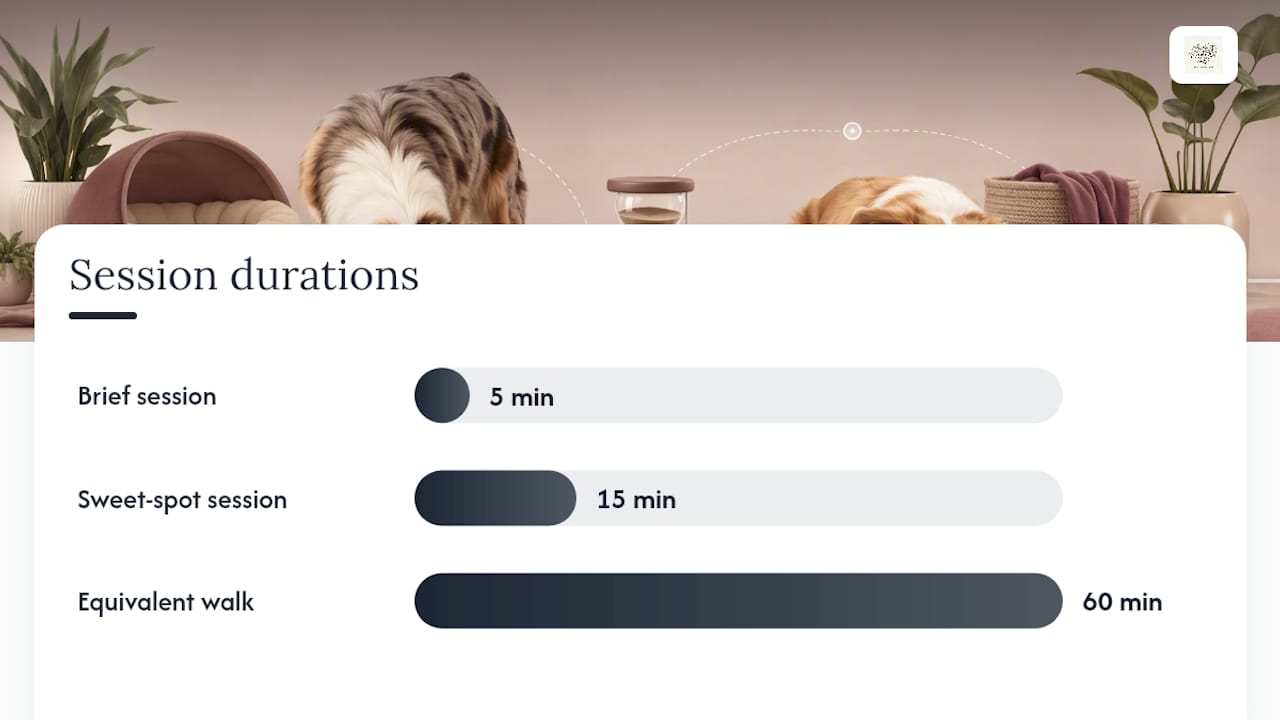
Since 15 minutes of nosework can tire a dog out about as much as a 60-minute walk, a short daily session can genuinely take the edge off a dog that’s not getting enough physical exercise that day.
Ways to work it into a routine:
- Daily short sessions for dogs with high mental energy or anxiety
- Occasional longer sessions on days without a walk
- Rotating with puzzle feeders and other enrichment toys so the challenge stays fresh
- Using a session before a vet visit or houseguests to take the edge off nervous energy
What Should You Do If the Snuffle Mat Isn’t Working?
Not every dog clicks with a snuffle mat right away, and some run into specific problems worth troubleshooting instead of giving up on.
If your dog chews on the fabric itself, stop the session, retire or repair the mat, and redirect that energy toward a durable puzzle feeder or a lick mat instead. Boredom shows up as a dog giving up after a few seconds. Fix it by using higher-value treats, varying where you hide them, or shortening sessions so the wins come faster and more often.
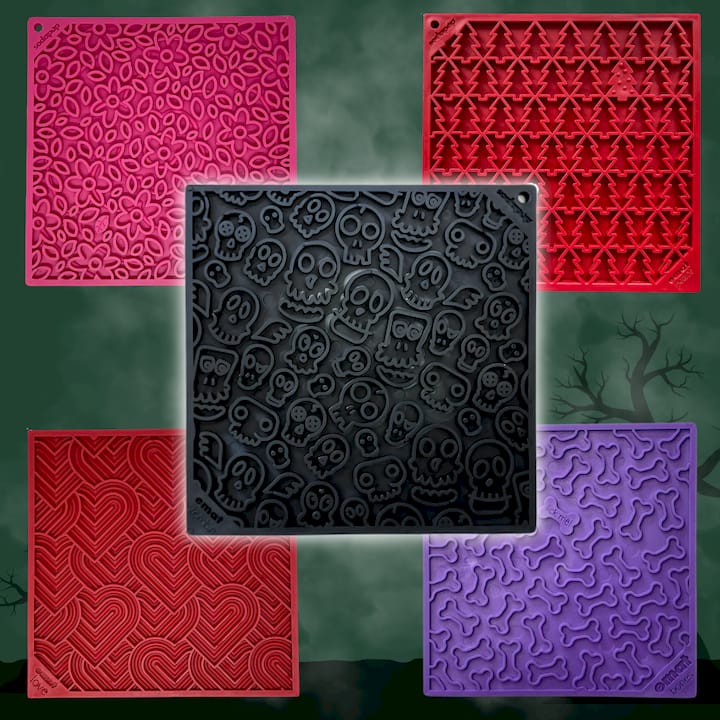
In multi-dog households, resource guarding around a shared mat is common. Running single-dog sessions or training a solid “leave it” cue solves most of it, and separate mats for each dog remove the competition entirely. If guarding shows up as growling or snapping even with training, or if your dog seems anxious rather than engaged during sessions, that’s worth a conversation with a vet or a certified behaviorist rather than pushing through it alone.
A Publisher’s Take on Snuffle Mats and Lick Mats
Fabric snuffle mats and lick mats aren’t competing products. They solve different problems, and Americanbarkbliss carries both because most dogs benefit from having access to each. A snuffle mat is the better call for dry kibble and scatter-feeding. A lick mat earns its place the moment wet food, peanut butter, or anything sticky enters the picture, since it wipes clean instead of soaking into fleece.
Suction-cup lick mats solve a third problem entirely: keeping a mat pinned down during car rides or in a crate, where a loose mat just slides around. Picking the right tool for the food you’re using saves you a lot of unnecessary laundry.
— Christopher
Which Americanbarkbliss Product Fits Your Dog’s Routine?
Some brands offer feeding and enrichment gear designed to handle various situations covered in this guide, helping you choose appropriate materials for different foods. If your dog’s meals lean toward wet food or anything sticky, the Jigsaw Puzzle eMat is a washable lick mat built for exactly that, with a puzzle-piece surface that slows down licking the same way a snuffle mat slows down sniffing.
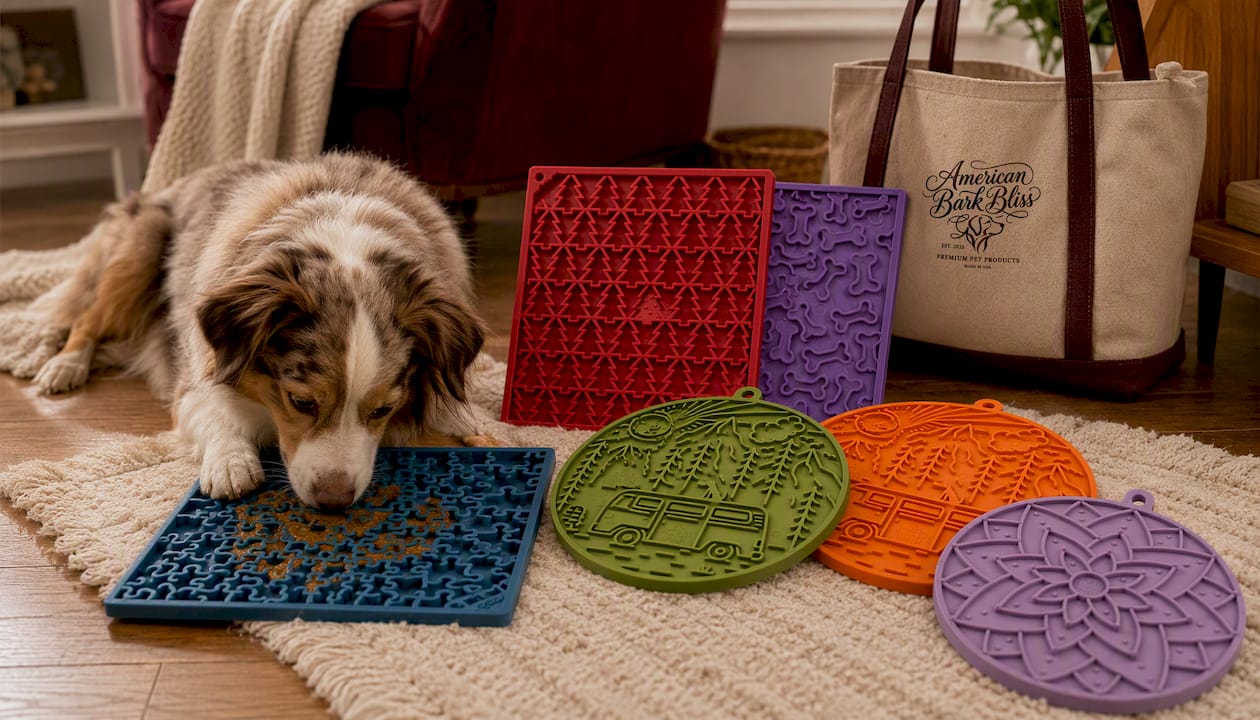
For a straightforward calming option that works with wet food, canned pumpkin, or yogurt, browse the full Dog Lick Mats lineup. Traveling or crating your dog? The suction-cup lick mats stay locked to a flat surface so the mat doesn’t slide around mid-session. Pair either one with a bag from the dog treats collection for low-calorie fillers, or check the full product lineup to see everything built for feeding, enrichment, and everyday care. Pick the mat that matches tonight’s dinner and get it in front of your dog.
Sources
- Everything You Need to Know Snuffle Mats for Dogs
- PMC article on canine olfaction and behavior
- Guide to Snuffle Mats For Dogs & Puppies: Benefits, How to Use
FAQ
How Often Should I Use a Snuffle Mat?
Daily short sessions of 5 to 15 minutes work well for most dogs, especially high-energy or anxious ones. Dogs with lower enrichment needs can get by with a few sessions a week, timed around low-activity days or before stressful events.
Are Snuffle Mats Really Good for Dogs?
Yes. Veterinary experts recommend them for mental enrichment, slowing down fast eaters, and easing anxiety, and the scent-driven activity engages a dog’s brain differently than a walk or a game of fetch.
Do Vets Recommend Snuffle Mats?
Veterinary professionals and behaviorists commonly recommend snuffle mats as a low-pressure enrichment tool, particularly for anxious dogs, seniors, and dogs that eat too fast. They’re often suggested alongside, not instead of, physical exercise.
What Do You Do With a Dog Snuffle Mat?
You hide small treats or kibble in the fabric folds, then let your dog sniff them out instead of eating from a bowl. Start with visible treats and progress to burying them deeper once your dog gets the hang of the search, always supervising the early sessions.
Leave a comment