

How to Pick the Right Dog Apparel: Fit, Fabric & Safety
TL;DR:
- Choosing dog apparel involves measuring carefully, selecting fabric suitable for the weather, and prioritizing a proper fit to ensure comfort and safety. Proper breed-specific measurements and thoughtful fabric choices prevent discomfort and injury. Americanbarkbliss offers American-made, well-fitting options designed for real comfort and safety.
Choosing dog apparel the right way comes down to three things: accurate measurements, fabric suited to your dog’s body and the weather, and a fit that lets your dog move freely. Style is the bonus, not the starting point. Before you browse a single product page, nail these basics:
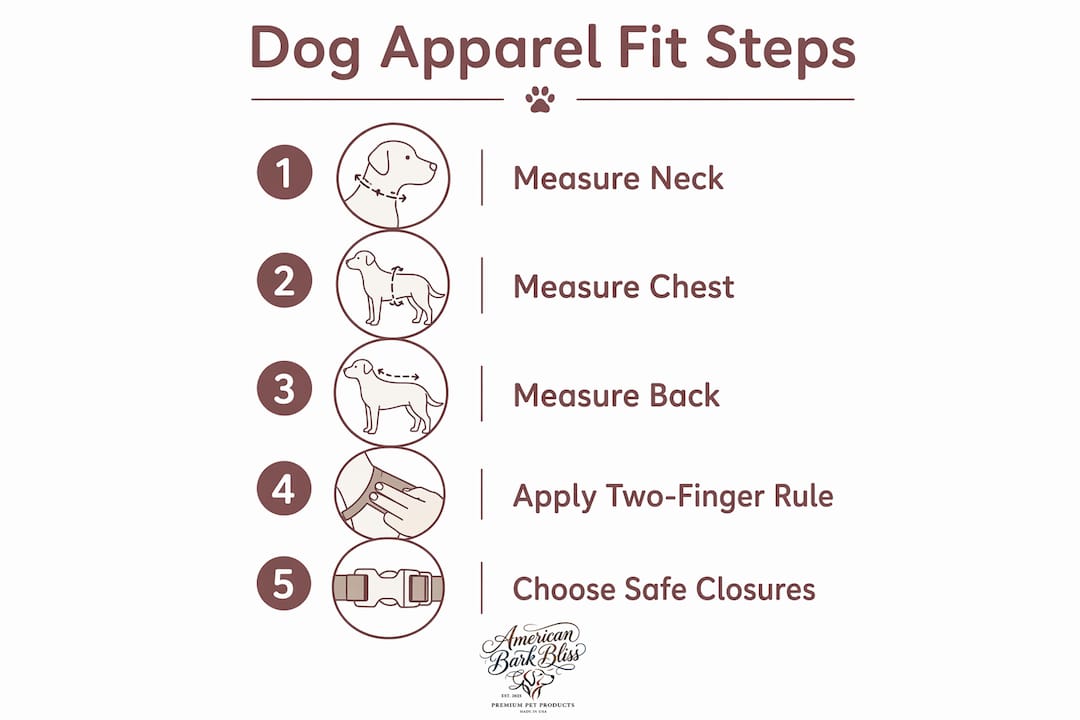
- Measure first: neck circumference at the collar line, chest girth at the widest point behind the front legs, and back length from the base of the neck to the base of the tail
- Match fabric to season: breathable cotton for warm days, fleece or wool for cold, waterproof polyester with a breathable lining for rain
- Prioritize fit over fashion: clothes too tight restrict movement and risk injury; too loose and they tangle or trip your dog
- Check safety features: reflective strips for evening walks, Velcro or snap closures instead of hooks or buttons
- Breed shape matters: a Dachshund and a Bulldog wear completely different cuts, even at the same weight
Table of Contents
- How to measure your dog accurately for a perfect apparel fit
- What fabrics actually work for your dog’s comfort and safety
- How to evaluate fit and safety before your dog wears it
- Additional tips for keeping your dog comfortable and happy in clothes
- Americanbarkbliss has the apparel your dog will actually wear
- FAQ
- Key Takeaways
How to measure your dog accurately for a perfect apparel fit
Breed-specific measurements are the single most reliable way to avoid a sizing mistake. Generic S/M/L labels vary wildly between brands, so always go straight to the tape measure.
- Neck circumference: Wrap a soft tape measure around the base of the neck, right where a collar sits. Keep it snug but not tight.
- Chest girth: Move to the widest part of the chest, just behind the front legs. This is the measurement most brands use to size jackets and sweaters.
- Back length: Run the tape from the base of the neck to the base of the tail. For long-backed breeds like Dachshunds, this number is critical.
- Check the underside cut (male dogs): The “potty gap” is often overlooked. The garment’s underside must be cut high enough that it clears a male dog’s belly entirely, or urine soaks the fabric and causes skin irritation fast.
- Apply the two-finger rule: Once the garment is on, slide two fingers between the fabric and your dog’s skin. If you can’t fit two fingers, it’s too tight. If your hand slides through easily, size down.
- Watch them walk: Let your dog take five steps. If the fabric twists, rides up, or bunches at the shoulders, the cut is wrong regardless of what the size chart says.
When measurements fall between two sizes, always size up. A slightly roomy fit is safer and more comfortable than one that pinches.
Pro Tip: Measure your dog after a walk when they’re relaxed and standing naturally. A tense or excited dog holds their body differently, and you’ll end up with measurements that are off by enough to matter.
What fabrics actually work for your dog’s comfort and safety
Fabric is where most buyers cut corners, and dogs pay for it. The right fabric depends on season and your dog’s physiology, not just what looks good on the product page.
- Breathable cotton: The go-to for warm weather and everyday wear. Soft against skin, hypoallergenic, and machine washable. Cotton t-shirts and light layers work well from spring through early fall for most U.S. climates. The Security Clothing for Dogs Summer Pet T-shirt Costume is a solid example of breathable warm-weather design.
- Fleece and wool: Built for insulation. Fleece is warm, lightweight, and non-scratchy, making it far more comfortable than rough knit wool against a dog’s skin. Best for cold-weather walks in northern states.
- Waterproof polyester with breathable lining: Non-negotiable for rainy conditions. The outer shell repels water; the inner lining must be cotton or mesh, never full polyester, or your dog overheats inside the coat. The Body Glove Dog Raincoat pairs a waterproof shell with a breathable construction built for real weather.
- Cotton-spandex blends: Stretch fabrics improve comfort for muscular and active breeds, letting them move without restriction. Four-way stretch is ideal for Pit Bulls, Boxers, and Labs.
- Hypoallergenic materials: Dogs with sensitive skin, Pugs and Shih Tzus especially, benefit from fabrics that won’t irritate. Look for soft linings and flat seams.
- Avoid: Full polyester linings, rough synthetics, and anything with loose decorative threads or beads a dog can chew off.
For a deeper breakdown of fabric choices by weather and dog type, the dog apparel fabric guide at Americanbarkbliss covers the specifics well.
How to evaluate fit and safety before your dog wears it
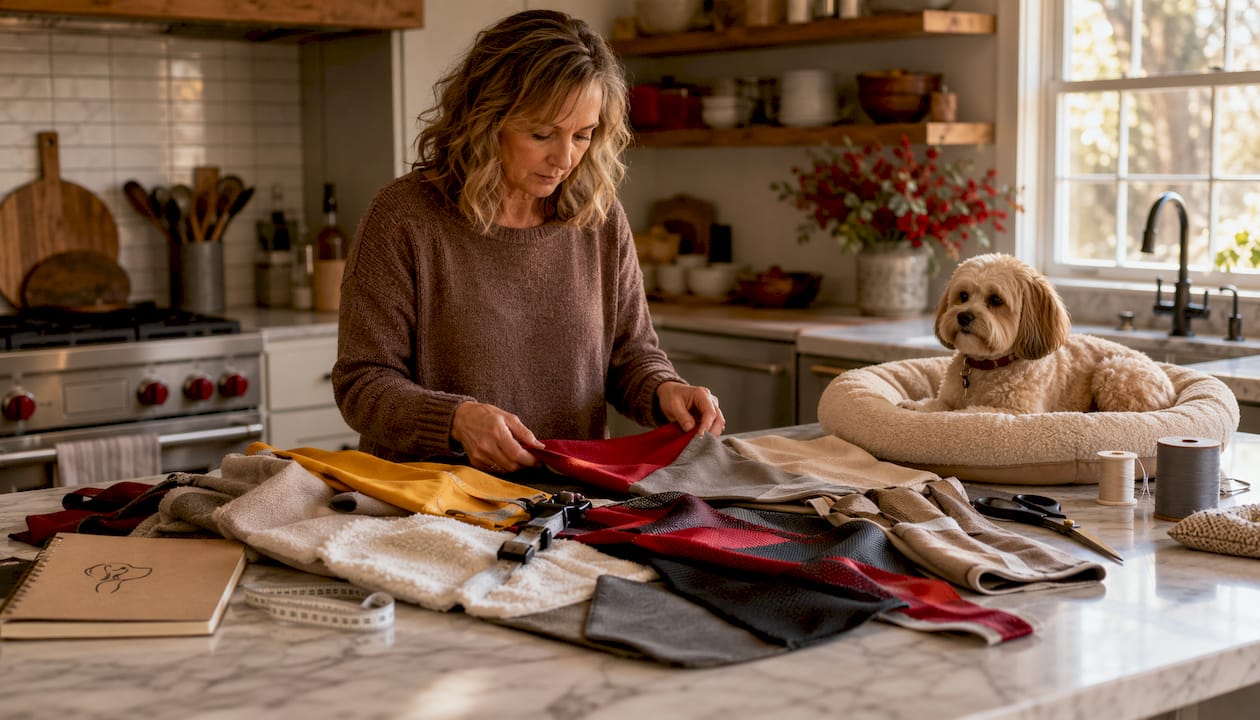
A garment that looks right on a hanger can still fail once it’s on your dog. Proper fit prevents injury, and the details matter more than most buyers realize.
Clothes that are too tight limit movement and can cause real physical harm over time. Loose clothes present a different problem: fabric catches on furniture, fences, or your dog’s own legs. Both extremes are genuine safety risks, not just comfort issues.
Breed shape drives fit more than size. Muscular breeds need stretch around the chest and reinforced shoulder seams. Long-backed breeds need extended rear coverage without excess fabric that drags. Applying human sizing logic to dogs, small equals small, is where most mistakes happen.
“Selecting the right dog apparel isn’t about style first. It’s about comfort, mobility, and function. The fashion part? That’s the bonus.” — Sarasota Magazine, citing guidance from breed and apparel specialists
Safety features worth checking before every purchase:
- Closures: Velcro and snap buttons are safer than hooks, zippers, or buttons that can snag fur or be chewed off and swallowed
- Reflective elements: Strips or panels on jackets and raincoats improve visibility on early morning or evening walks
- Leg openings: Wide enough for your dog’s natural gait without cutting into the skin
- No drawstrings or loose elastic: Both can twist around limbs
The pet apparel fit and safety guide from Americanbarkbliss covers the most common fitting mistakes dog owners make, and it’s worth reading before your first purchase.
Additional tips for keeping your dog comfortable and happy in clothes
Getting the right apparel is half the job. Getting your dog to actually wear it comfortably is the other half.
- Introduce gradually: Start in a calm, distraction-free space. Let your dog sniff the garment first, then drape it briefly, then fasten it. Use treats and praise at each step. The AKC recommends a reward-based approach to build positive associations with wearing clothes.
- Watch for stress signals: Freezing in place, pawing at the clothing, or refusing to walk are signs the fit or fabric is wrong, not signs your dog is being dramatic. Take it off and reassess.
- Match apparel to the activity: A waterproof jacket for a trail hike, a lightweight cotton layer for a casual outing, a dog jumpsuit for cooler indoor days. The occasion shapes the choice.
- Choose adjustable and machine-washable items: Adjustable closures extend the life of a garment as your dog’s weight shifts. Machine-washable fabric is non-negotiable for anything worn regularly.
- Check and maintain regularly: Inspect closures and wash according to care labels after each use. A fraying snap or stretched Velcro becomes a safety issue fast.
- Consider a CoyoteVest for outdoor protection: For dogs that spend time in areas with wildlife or rough terrain, protective outerwear adds a layer of safety beyond weather resistance.
Christopher at Americanbarkbliss recommends starting with one well-fitted, versatile piece rather than building a full wardrobe immediately. A single jacket that fits correctly and your dog tolerates well is worth more than five ill-fitting outfits.
Americanbarkbliss has the apparel your dog will actually wear
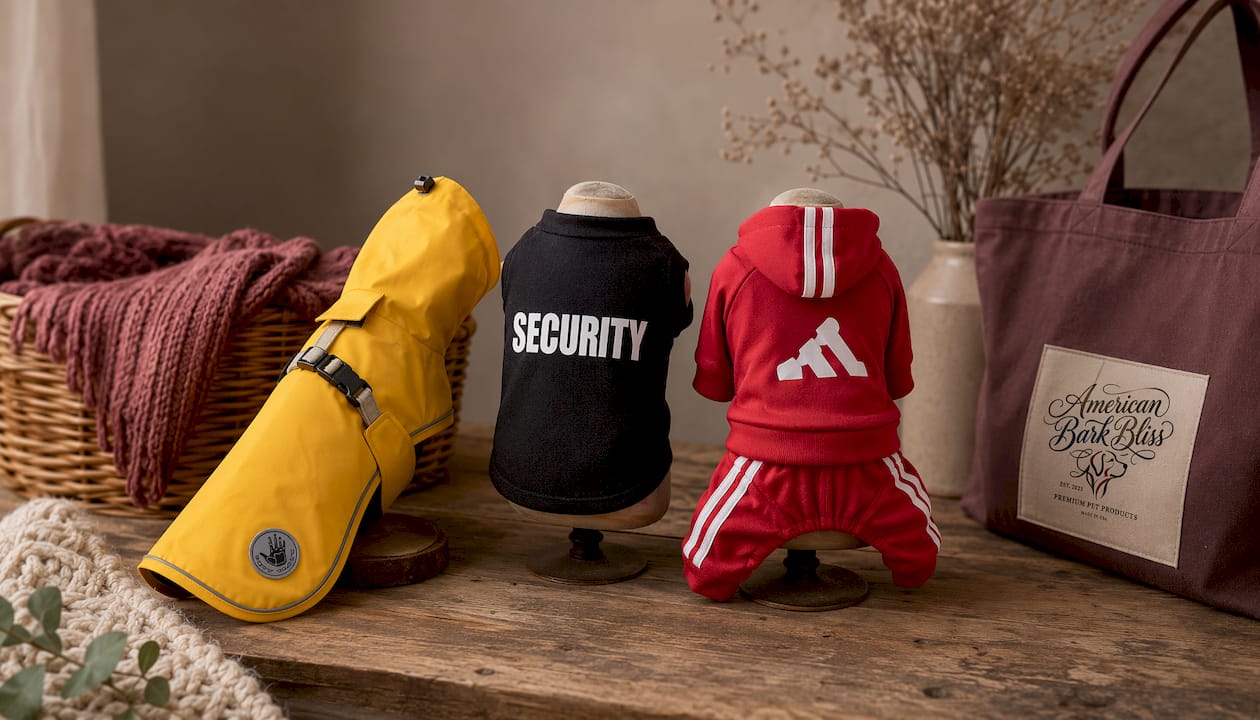
Most dog owners spend time researching breeds and training, then grab the first cute outfit they see online. Americanbarkbliss is built for the dog owner who wants to get it right the first time: premium, American-made apparel selected for real fit, real comfort, and real safety, not just aesthetics.
The range covers warm-weather basics like the Security Clothing for Dogs Summer Pet T-shirt Costume, wet-weather protection with the Body Glove Dog Raincoat, and versatile layering options like the Pet Dog Jumpsuit for Small Medium Dogs. Every product listing includes sizing guidance so you can apply your measurements directly. Browse the full collection at Americanbarkbliss and use the dog sizing guide to match your measurements to the right fit before you buy.
FAQ
What three measurements do I need for dog apparel?
Neck circumference, chest girth, and back length are the three core measurements. Always use a brand’s specific size chart rather than generic S/M/L labels, since sizing varies significantly between manufacturers.
How do I know if dog clothes fit correctly?
Apply the two-finger rule: slide two fingers between the garment and your dog’s skin. If you can’t fit two fingers, the fit is too tight; if your hand slides through easily, size up.
What fabric is best for a dog raincoat?
Look for a waterproof polyester outer shell paired with a breathable cotton or mesh inner lining. A full polyester lining traps heat and causes overheating even when the outside stays dry.
How do I get my dog used to wearing clothes?
Introduce apparel gradually in a calm environment using treats and praise at each step, starting with just draping the garment before fastening it. Reward-based exposure builds acceptance without stress.
Are hooks and zippers safe on dog clothing?
Velcro and snap buttons are the safer choices. Hooks, zippers, and loose decorative buttons can snag fur, pinch skin, or be chewed off and swallowed.
Key Takeaways
Picking the right dog apparel requires accurate breed-specific measurements, weather-appropriate fabric, and a fit that supports free movement without tightness or excess.
| Point | Details |
|---|---|
| Measure before you buy | Take neck, chest, and back length measurements; never rely on weight or generic size labels alone. |
| Fabric matches the season | Use breathable cotton for warm weather, fleece for cold, and waterproof polyester with a breathable lining for rain. |
| Fit protects your dog | Clothes too tight restrict movement and risk injury; too loose and they tangle or cause trips. |
| Safety features matter | Choose Velcro or snap closures over hooks and buttons; add reflective elements for low-light walks. |
| Americanbarkbliss for premium fit | Americanbarkbliss offers American-made apparel with sizing guides to match your measurements to the right product. |
Leave a comment