

How to choose premium dog supplies for safety and comfort
You love your dog enough to spend more on their gear, but the premium pet market makes that harder than it should be. Shelves and websites are packed with products wearing fancy labels, bold claims, and eye-catching designs, yet many of them fall short on the things that actually matter: safety, durability, and genuine comfort. This guide cuts through the noise with a clear, evidence-backed process so you can shop with confidence, know exactly what to look for, and invest in supplies that truly serve your dog every single day.
Table of Contents
- What makes dog supplies truly premium?
- Must-have premium dog supplies: What to get and why
- How to verify real premium quality (not just marketing)
- Smart setups: Organizing and maintaining your premium supplies
- The uncomfortable truth about “premium” in the pet industry
- Explore premium American-made dog supplies
- Frequently asked questions
Key Takeaways
| Point | Details |
|---|---|
| Not all premium is safe | True premium products provide proven safety, not just stylish packaging or high prices. |
| Verify before you buy | Always check for independent safety tests, recall history, and real material claims. |
| Pick essentials intentionally | Choose supplies that improve your dog’s comfort and safety, especially in harness vs. collar cases. |
| Maintain for longevity | Regular cleaning and organized storage help premium gear deliver value and last longer. |
| Demand transparency | Reputable brands show proof of their products’ safety, material sourcing, and quality controls. |
What makes dog supplies truly premium?
The word “premium” gets thrown around so freely in the pet industry that it has almost lost meaning. Real premium quality is not about price tags or packaging. It comes down to four core pillars: material safety, independent testing, durability, and transparent sourcing.
Material safety means the product is made from components that will not harm your dog through regular contact, chewing, or ingestion. This includes freedom from heavy metals, BPA, phthalates, and other chemical hazards. When you browse premium dog supplies overview, look for brands that publish their material specs rather than hiding behind vague language like “pet-safe materials.”
Independent testing is the gold standard. Consumer Reports has consistently shown that contaminant testing results and recall history reveal meaningful differences between products that look identical on the shelf. That principle applies just as strongly to physical accessories as it does to food. A collar or toy made with untested dyes or cheap hardware can cause real harm.
Durability matters because a product that falls apart in three months is not premium regardless of what it costs. Look for reinforced stitching, rust-resistant hardware, and materials rated for repeated cleaning without degradation.
Transparent sourcing is the final piece. American-made products carry an inherent advantage here because domestic manufacturing is subject to stricter regulatory oversight. Brands that openly share where and how their products are made earn a level of trust that imported mystery goods simply cannot match.
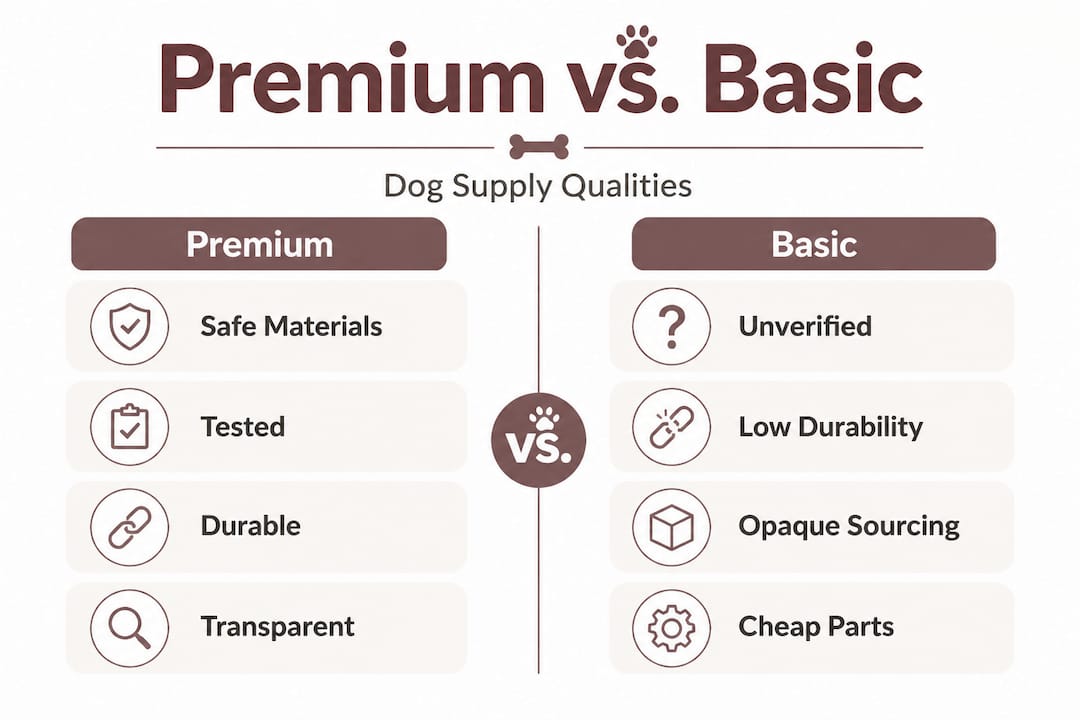
| Quality factor | What to look for | Red flag |
|---|---|---|
| Material safety | Published material specs, chemical testing | “Pet-safe” with no detail |
| Independent testing | Third-party lab results, certifications | Only brand-funded claims |
| Durability | Reinforced construction, warranty | No care or replacement info |
| Sourcing | “Made in USA” with verifiable details | Vague country of origin |
Key indicators of a genuinely premium product:
- ASTM safety certification or equivalent
- Accessible recall and safety history
- Hypoallergenic or non-toxic material labeling with documentation
- Ergonomic design features that reduce strain on your dog
- Positive independent reviews, not just brand testimonials
Pro Tip: Before buying, search the brand name alongside “recall” or “safety complaint” in a search engine. A company with nothing to hide will have a clean, verifiable record.
Must-have premium dog supplies: What to get and why
Once you know what defines quality, the next step is knowing which product categories deserve your attention and your budget. Not every item needs to be top-tier, but certain supplies directly affect your dog’s physical health and daily comfort, making quality non-negotiable in those areas.
Collars and harnesses are the most safety-critical wearables your dog owns. A poorly made collar can snap during a chase or cause neck injuries in a dog that pulls. For dogs with tracheal issues, brachycephalic breeds like bulldogs and pugs, or any dog that tends to lunge, harnesses for sensitive dogs are the smarter choice. CNN Underscored notes that harnesses reduce neck pressure for dogs in conditions where collar use poses a risk, making them the safer default for many owners.
Leashes take daily abuse. A durable padded leash made from reinforced nylon with a comfortable grip reduces hand fatigue on long walks and holds up to the stress of a strong dog. Cheap leashes fray, snap, or lose their clasp strength quickly.
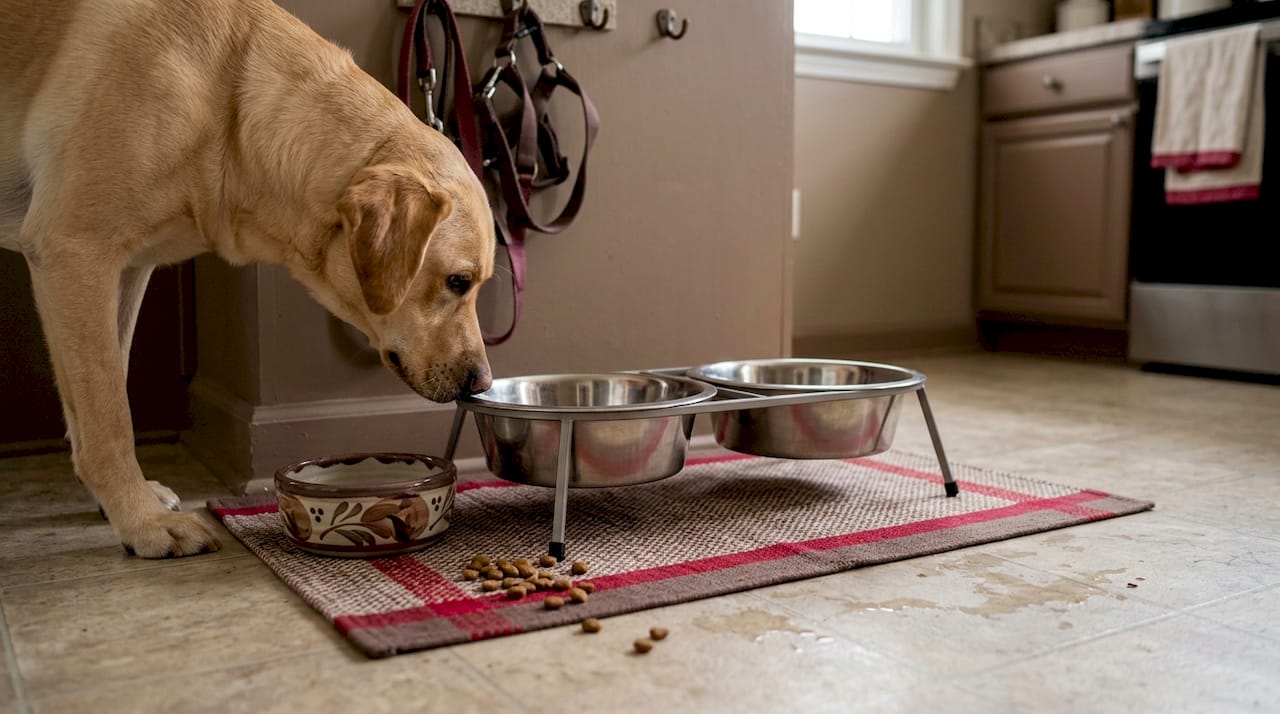
Bowls and feeders should be stainless steel or food-grade ceramic with no lead-based glazes. Plastic bowls scratch over time, harboring bacteria in the grooves. Elevated feeders benefit large breeds by reducing neck strain during meals.
Beds need to match your dog’s size, sleep style, and any orthopedic needs. Memory foam options support aging joints. Waterproof liners protect the investment from accidents.
Toys serve both mental and physical enrichment. Quality matters here because cheap toys shed stuffing, lose squeakers, or break into choking hazards faster than you expect.
Grooming tools are daily-use items where build quality directly affects comfort. Dull or poorly balanced brushes cause skin irritation and make grooming a stressful experience for your dog.
Collar vs. harness: A quick comparison
| Feature | Collar | Harness |
|---|---|---|
| Best for | Calm dogs, ID tags | Pullers, sensitive necks, small breeds |
| Neck pressure | Yes | No |
| Escape risk | Higher for some breeds | Lower with proper fit |
| Training use | Basic leash manners | Recommended for reactive dogs |
| Comfort for brachycephalic breeds | Not recommended | Strongly preferred |
Critical questions to ask before purchasing each category:
- Is the material documented as non-toxic and free from harmful chemicals?
- Does the product carry any third-party safety certification?
- Is there a clear size guide to ensure proper fit for your specific dog?
- What is the cleaning and maintenance requirement, and can the product handle it?
- Does the brand offer a warranty or replacement policy?
- Are there independent reviews from verified buyers, not just brand marketing?
- Is the product made in the USA or does it come with transparent sourcing documentation?
Pro Tip: Rotate between two sets of high-quality toys every two weeks. Dogs engage more with “new” items, so rotation keeps enrichment high while extending the life of each toy significantly.
How to verify real premium quality (not just marketing)
Knowing what to buy is only half the battle. The harder skill is learning to tell the difference between a product that is genuinely excellent and one that simply looks the part. This is where most pet owners lose money.
Start with certifications. Look for ASTM F963 compliance for toys, FDA-grade materials for anything food-adjacent, and third-party lab testing badges from recognized organizations. These are not easy to fake and represent real investment by the manufacturer in product safety.
Consumer Reports research reinforces that independent lab tests reveal meaningful quality differences even between products from well-known brands. The same logic applies to accessories. A brand willing to publish third-party test results is showing you something important about their confidence in what they make.
“A high price tag is not a safety guarantee. Without independent verification, premium is just a marketing word.” This is the reality every informed dog owner needs to internalize before opening their wallet.
Red flags that signal marketing-only “premium”:
- Fancy packaging with no product specifications listed
- Vague safety language like “designed with your pet in mind” without any detail
- No mention of materials, certifications, or country of manufacture
- Glowing reviews only on the brand’s own website
- No accessible recall history or customer service contact
- Products that look identical to cheap alternatives but cost three times more
A practical step many owners skip: check the FDA’s recall database and the CPSC website for any history on the brand or product line. It takes five minutes and can save you from buying something that has already been flagged for safety issues.
Keeping a dog safety kit on hand is also part of responsible ownership, and it pairs well with the habit of regular product safety checks. Similarly, using a dedicated dog toy organizer lets you inspect toys regularly for wear and damage before they become hazards.
Smart setups: Organizing and maintaining your premium supplies
Buying quality gear is an investment. How you store, clean, and rotate that gear determines whether it lasts one year or five. Most owners underestimate how much proper maintenance extends the life and performance of premium products.
The concept of a “dog station” is simple and highly effective. Dedicate a shelf, cabinet, or corner of a room to all your dog’s supplies. Everything has a place, nothing gets lost, and you can do a quick visual inspection every week to catch wear before it becomes a problem. A premium storage bin keeps toys contained, visible, and easy to rotate.
Must-do maintenance routines by category:
- Leashes and collars: Wipe down weekly with a damp cloth. Check clasps and D-rings monthly for rust or weakness. Replace if stitching frays or hardware loosens.
- Bowls: Wash daily with hot water and dish soap. Inspect for scratches, chips, or discoloration monthly. Stainless steel bowls last years; replace ceramic if cracked.
- Beds: Wash covers weekly if your dog spends significant time on them. Check foam inserts monthly for compression or odor that does not wash out. Replace when support is visibly diminished.
- Toys: Inspect every use for loose parts, torn seams, or missing squeakers. Remove and discard any toy that has broken into pieces. Rotate between sets to reduce wear and keep engagement high.
- Grooming tools: Clean bristles and blades after every use. Oil metal components monthly. Replace dull blades immediately since they pull rather than cut, causing discomfort.
Regular safety checks take about ten minutes per week. That small habit protects your dog from ingesting broken toy parts, getting tangled in a fraying leash, or sleeping on a bed that no longer provides proper support. Well-maintained premium supplies also hold their appearance and function far longer, meaning you replace them less often and get more value from your initial investment.
The uncomfortable truth about “premium” in the pet industry
We have watched the pet industry grow dramatically over the past decade, and with that growth has come a surge in products that wear the premium label without earning it. The uncomfortable reality is that marketing budgets often outpace product development budgets in this space.
Brands know that dog owners are emotionally invested in their pets’ wellbeing. That emotional investment is a powerful lever. Beautiful photography, heartfelt copy, and influencer endorsements can make a mediocre product feel like a premium one. Owners who choose based on aesthetics or price alone can easily overlook genuine safety gaps in the products they bring home.
We have seen this pattern repeatedly: a beautifully packaged collar with no published material specs, a “luxury” bed with foam that compresses within weeks, a toy marketed as “durable” that a medium-sized dog destroys in one session. None of these are premium. They are premium-priced.
Independent lab testing tells a different story than brand marketing. Consumer Reports findings consistently show that contaminant profiles and safety performance vary significantly even among products from established brands, reinforcing that the premium label must include a safety evidence check, not just a style check.
The step-by-step approach in this guide exists because your dog deserves better than marketing. Demand transparency. Ask for certifications. Check recall histories. Support brands that make their sourcing and testing information easy to find. That is what separates a genuinely premium choice from an expensive disappointment.
Explore premium American-made dog supplies
Equipped with a clear framework for evaluating quality, you are ready to put it into practice with products that actually hold up to scrutiny.
At American Bark Bliss, every product in our catalog is selected with safety, durability, and comfort as the non-negotiable starting point. From a dual-sided wood dog brush built for ergonomic, comfortable grooming sessions to a complete grooming kit that covers every coat care need, our offerings are built to last and designed to make daily care easier. Browse American Bark Bliss by category to find vetted, American-made essentials for every part of your dog’s routine, from playtime and travel to grooming and rest.
Frequently asked questions
How can I confirm a dog supply is truly made in the USA?
Check the product label for a clear “Made in USA” statement and research the brand’s website for sourcing documentation or domestic manufacturing certifications. Brands proud of their American-made status typically make this information easy to find.
Are premium dog products always safer than standard brands?
Not necessarily. Independent lab tests and recall history are far more reliable indicators of safety than price or packaging, so always look for verifiable evidence before assuming a higher cost means higher safety.
Should I use harnesses or collars for my dog?
Harnesses are the safer option for dogs that pull, have neck sensitivities, or belong to flat-faced breeds, while collars suit calm dogs without respiratory or tracheal concerns. When in doubt, a harness reduces the risk of injury.
What certifications signal that a dog product is safe?
Look for ASTM compliance on toys, FDA-grade material declarations on food-adjacent products, and visible third-party lab testing badges from recognized independent organizations. These certifications require real investment and are difficult to fabricate.
How often should premium dog supplies be cleaned or replaced?
Most supplies benefit from weekly cleaning and a monthly inspection for wear. Replace any item that shows fraying, cracking, compression loss, or broken parts, regardless of how recently you purchased it.
Leave a comment