

Quick First Aid and Fit Habits to Stop Harness Chafing in Active Dogs
The moment you spot raw or reddened skin under your dog’s harness, take the harness off, clean the area with saline or a mild vet-approved cleanser, pat it dry, and apply a pet-safe balm. Skip harnessed activity until the skin heals. Long term, harness chafing prevention comes down to three things: a fit that passes the two-finger rule, padded and breathable materials, and a harness you actually keep clean and dry. See a vet if redness lasts more than 48 hours or you notice swelling, heat, or discharge.
TL;DR:
- A harness that fits correctly based on the two-finger rule and is positioned properly can significantly reduce chafing risk.
- Materials like neoprene, padded fleece, or breathable mesh perform better than stiff nylon webbing for preventing skin irritation.
- Regularly inspecting, cleaning, and air-drying the harness, especially after outings, helps prevent ongoing friction and moisture buildup.
- Properly treating minor skin irritation early with gentle cleaning and pet-safe balms promotes healing and reduces the chance of infection.
- Gradually breaking in new harnesses and encouraging dogs to wear gear slowly minimizes initial chafing and makes long-term comfort more likely.
Table of Contents
- How Do You Stop Harness Chafing Right Now?
- Why Does a Dog Harness Cause Chafing?
- How Do You Fit a Harness to Prevent Rubbing?
- Which Harness Materials Actually Prevent Chafing?
- How Do You Treat a Dog’s Chafed Skin at Home?
- What Maintenance Habits Prevent Harness Chafing Over Time?
- Our Take on Getting Harness Fit Right
- Gradual Break-In Keeps a New Harness From Causing Rubs
- How Do You Get a Resistant Dog Used to a Harness?
- Prevention Beats Treatment, and Fit Beats Everything Else
- Build a Simple Harness Recovery Kit
- Sources
- FAQ
How Do You Stop Harness Chafing Right Now?
Before you touch the harness again, run this checklist. It takes two minutes and catches most of the problems that cause rubbing in the first place.
- Slide two fingers under every strap. If you can’t fit two fingers flat between the strap and your dog’s fur, it’s too tight. If you can fit four, it’s too loose and will slide.
- Check the chest strap position. It should sit a couple inches in front of the armpit, not resting inside the fold where skin creases and rubs with every stride.
- Run a hand along every seam and edge. Rough stitching, frayed webbing, or a stiff factory seam that’s never softened up are common hidden culprits.
- Feel for grit. Sand, dried mud, or trail dust trapped in the webbing acts like fine sandpaper against skin with every step.
- Confirm the harness is fully dry. Damp nylon against skin for an hour of hiking is a fast track to a hot spot.
- Dab on a thin layer of pet-safe balm over any spot that’s chafed before, especially before a long hike or run.
- Take the harness off between activities. Skin needs airflow, and a harness left on all day gives it none.
If you walk daily, consider owning two harnesses and alternating them. It gives each one a full day to air out and lets you catch wear before it becomes a wound.
Why Does a Dog Harness Cause Chafing?
Chafing is friction damage, and it shows up in one of two ways: sliding friction or pressure friction. A loose harness rotates and slides with every stride, dragging the same patch of skin back and forth until the fur wears thin and the skin underneath turns pink, then raw. A too-tight harness does the opposite. It doesn’t move, but it presses hard enough, long enough, to cut off circulation and irritate skin the same way a too-tight shoe blisters a heel.
Materials make this worse or better. Stiff, exposed webbing with a raw edge acts almost like a blade against fur with repeated contact. A rough factory seam that hasn’t broken in yet does the same thing on a smaller scale. Add moisture from sweat, rain, or a river crossing, and any grit trapped in the fabric turns into an abrasive slurry rubbing directly against skin.
Anatomy plays a bigger role than most owners realize. The armpit fold is the single most common chafing site because it’s a natural crease where skin already touches skin, and it moves constantly with every front-leg stride. Chest strap placement that ignores this fold is asking for trouble. Shoulder extension during a trot or run stretches skin in ways it never does at a standstill, which is why a harness that looks fine on a stationary dog can start rubbing the second the dog picks up speed.
One thing owners frequently miss: a harness that fit perfectly six months ago can suddenly start rubbing without any change to the harness itself. Puppies grow. Adult dogs gain or lose weight. A thick winter coat gets trimmed down for summer, changing how much padding sits between strap and skin. If chafing shows up out of nowhere, check the fit before you blame the gear.
How Do You Fit a Harness to Prevent Rubbing?
A correct fit is the single biggest lever in harness chafing prevention, and it’s also the step most owners rush. Here’s the order that actually works.
- Measure chest girth first. Wrap a soft tape around the widest part of your dog’s rib cage, just behind the front legs, and note the number without pulling the tape tight.
- Measure neck circumference and chest depth the same way, keeping the tape snug but not compressed against the coat.
- Position the chest strap forward of the armpit crease. This single adjustment prevents most of the rubbing that happens in that fold, since proper strap placement clear of the armpit reduces both rotation and direct friction.
- Apply the two-finger rule at every strap, not just one. A harness snug at the chest but loose at the belly still rotates, because uneven tension between adjustment points creates a saw-like motion as the dog moves.
- Walk the dog, then trot the dog. A harness that looks perfect standing still can shift the instant your dog picks up the pace. Watch the back strap for rising and the chest strap for sliding sideways. Testing fit in motion catches problems a static check misses, since most rub points only reveal themselves during repetitive gait.
- Make small adjustments and repeat step 5. Don’t try to solve everything in one pass. Tighten a quarter inch, walk again, check again.
Pro Tip: Fit the harness after a walk, not before. A dog’s rib cage and coat sit slightly differently once they’ve moved around and settled, so a fit that felt right at rest can already be loose fifteen minutes into a hike.
Body shape also determines which harness style will work with you instead of against you. Short-legged breeds like Corgis or Dachshunds often do better in a step-in style that avoids pulling anything over the head. Dogs that pull hard on leash tend to chafe less in a full-wrap or Y-front design, since it distributes pressure across the chest instead of concentrating it at one strap. Our own step-by-step fitting guide walks through measuring and placement in more detail if you want visuals alongside the numbers.
Which Harness Materials Actually Prevent Chafing?
Fit stops rotation. Material determines what happens to skin during the friction that’s left over even with a good fit. The differences between fabrics are bigger than most owners assume.
Neoprene is soft against skin and holds up well in wet conditions, which makes it a strong pick for dogs that swim or hike near water. Its downside is heat retention. In a hot climate, a neoprene harness can trap warmth against the body and make a dog uncomfortable on a summer trail.
Padded fleece offers the plushest feel and works well for cold-weather walks, but fleece absorbs moisture and stays damp longer than synthetic fabrics, which can actually increase friction risk if it doesn’t dry between outings.
Air mesh is the pick for hot climates and daily walkers. It breathes, dries fast, and keeps sweat from pooling against skin, though it offers less cushioning than fleece or neoprene on the pressure points themselves.
Standard nylon webbing without padding is the most common culprit behind chafing complaints, mainly because it’s stiff, doesn’t flex with the dog’s movement, and has hard seam edges that dig in over long distances.
The design detail that matters more than the base fabric is coverage. Full-wrap padding and covered seams reduce hotspots compared with harnesses that leave raw webbing edges exposed against skin. Rounded hardware, low-profile buckles, and seams positioned away from the armpit and chest crease all add up. Hardware that twists or rotates under load is also a factor, since secure, twist-resistant hardware contributes to long-term comfort by keeping the harness sitting the way it was fitted.
If you already own a harness with exposed webbing, you don’t have to replace it outright. Trimmable aftermarket soft covers in neoprene or faux fur can be fitted over the specific strap causing trouble, and our adjustable harness comfort guide covers retrofit options in more detail.
How Do You Treat a Dog’s Chafed Skin at Home?
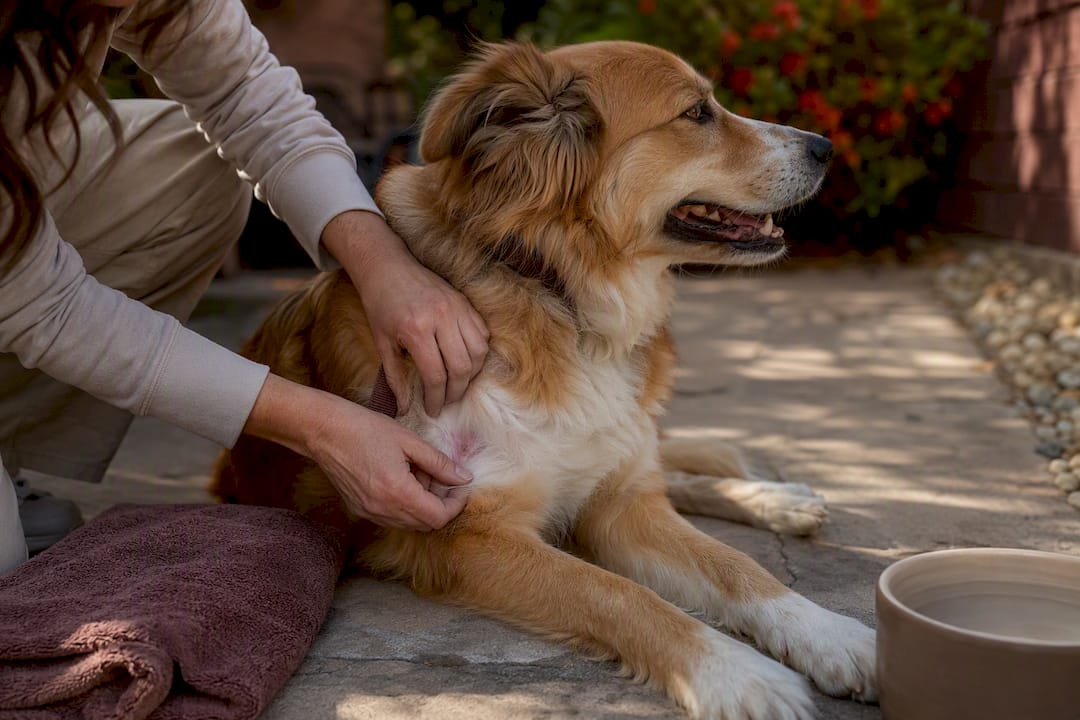
Minor chafing responds well to home care if you act early. The moment you see irritation, remove the harness and clean the area with saline solution or a mild vet-approved cleanser, then pat it completely dry with a clean towel. Don’t rub. Rubbing is exactly what caused the problem.
Once the skin is dry, apply a thin layer of a vet-recommended balm or barrier ointment as explained in Are Snake Plants Toxic to Dogs? Identifying Risks and Safety Measures. Avoid anything made for human skin, since alcohol and fragrance in most lotions and creams will sting an open area and can slow healing.
- Keep the harness off entirely until the skin looks normal, not just less red.
- Use a soft, breathable protective jumpsuit if your dog is prone to licking the area or if fur elsewhere needs a barrier while it regrows.
- Watch for spreading redness, swelling, pus, or a dog that flinches when you touch the spot.
- Don’t apply human triple-antibiotic ointment without checking with a vet first. Some dogs lick it off immediately anyway.
Most minor rub marks improve within 24 to 48 hours of removing the harness and starting basic care. If a spot isn’t visibly better in that window, or shows signs of infection, that’s the point to call a vet rather than keep treating it at home.
Once the skin has fully closed over, reintroduce activity gradually. Start with a short leashed walk using a well-padded harness, and inspect the area immediately afterward. If it looks fine, extend the next outing slightly. If it looks irritated again, you’re back to square one on fit or material, not just healing time.
What Maintenance Habits Prevent Harness Chafing Over Time?
Chafing prevention isn’t a one-time fix. It’s a habit you build into your walking routine the same way you’d check leash clips or water bottles.
- Wash a daily-use harness weekly, and always after a muddy, salty, or sandy outing, since trapped grit and moisture increase chafing risk the same way sand in a shoe does.
- Air-dry completely before the next use. A dryer can warp buckles and shrink webbing.
- Run your hand along every seam monthly, feeling for fraying, stiffness, or hardware that’s starting to stick.
- Retire a harness once padding compresses flat or webbing feels rigid instead of flexible. Padding loses its cushioning long before it looks visibly worn.
- Re-measure chest girth every three to six months, and always after a grooming trim, a growth spurt, or a noticeable weight change.
Pro Tip: Keep a spare, well-fitted harness on hand. If your primary harness is wet from a rainy walk or a swim, having a dry backup means you’re never tempted to reuse damp gear just to get out the door.
Owners who split harness use, a padded option for hikes and walks, something lighter for quick yard trips, tend to see fewer recurring hot spots, since each harness gets real recovery time between wears.
Our Take on Getting Harness Fit Right
Americanbarkbliss builds comfort-first, American-made pet gear and writes fitting guides because the two problems are connected: most chafing isn’t a bad-luck skin issue, it’s a preventable gear issue. Comfort-focused design decisions, like where a seam sits or how a strap is padded, are covered in our breakdown of what actually makes a harness comfortable.
For dogs actively healing or prone to rubbing, pairing a soft protective jumpsuit with a properly sized, padded daily harness solves both the recovery phase and the prevention phase. Sizing matters more than style here. Use your dog’s chest girth measurement, not weight alone, when picking a size from our product pages, since two dogs of the same weight can have very different chest depths. If the rub is under the armpit, look for a garment or liner that covers that fold specifically rather than a general-purpose cover that leaves the worst spot exposed.
Gradual Break-In Keeps a New Harness From Causing Rubs
A brand-new harness, even one with all the right features, can chafe if you put a dog straight into a two-hour hike wearing it for the first time. Stiff webbing and fresh padding haven’t had a chance to flex to your dog’s shape yet, and your dog hasn’t adjusted to the new sensation of straps across the chest.
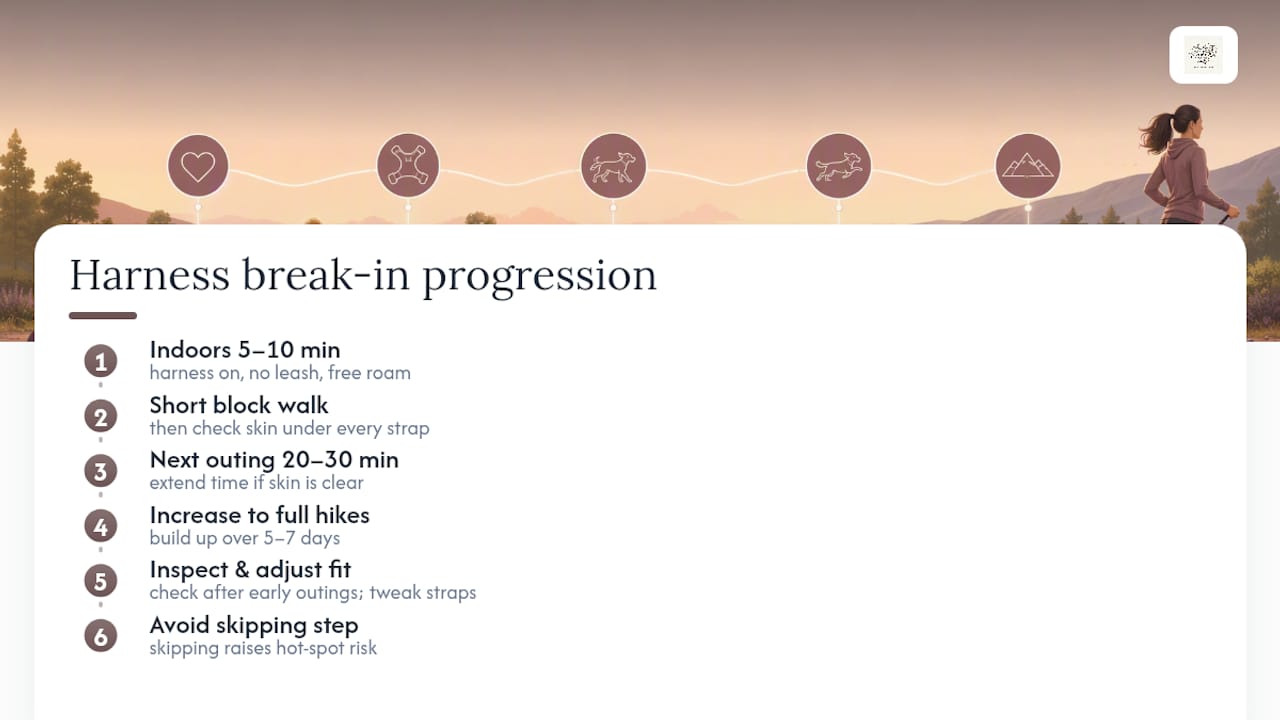
Start with five to ten minutes indoors, harness on, no leash attached, just letting your dog walk around the house. Follow that with a short walk around the block, then check the skin under every strap when you get back. If everything looks clear, extend the next outing to twenty or thirty minutes.
Build up to full-length hikes or runs over five to seven days rather than one. This gives you multiple chances to catch a rubbing spot while it’s still mild irritation instead of an open sore, and it gives stiff new webbing time to soften slightly with wear. It also lets you fine-tune the fit, since a harness often needs a small adjustment after the first two or three outings as you both get used to it.
Skip this step with an eager dog that’s desperate for a long run, and you’re far more likely to end the day treating a hot spot instead of enjoying the trail.
How Do You Get a Resistant Dog Used to a Harness?
Dogs that fight the harness, backing away, twisting, or pawing at it, end up chafing more, not less. A dog fighting the gear creates uneven pressure and unpredictable movement, which is exactly the sawing motion that causes rubbing in the first place.
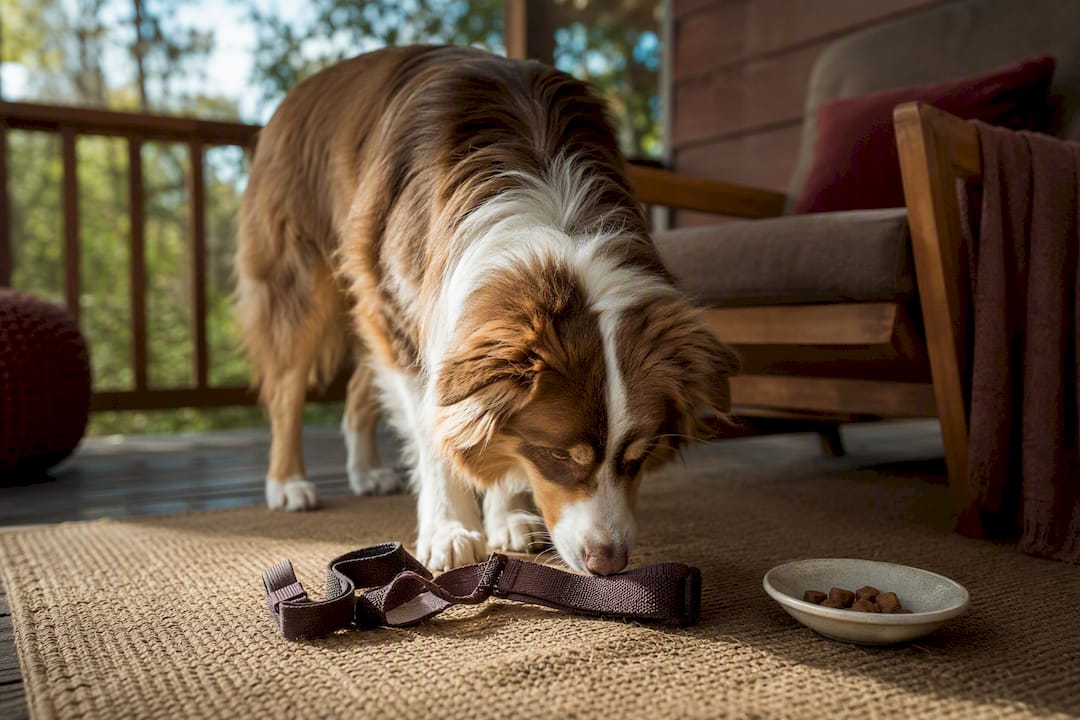
Start by letting your dog sniff and investigate the harness on the floor with no pressure to put it on. Reward calm curiosity with a treat. Next session, drape the harness over their back for a few seconds and reward again before removing it. Build up gradually to buckling one strap, then two, always pairing the process with something your dog already enjoys.
Once the harness is fully on, don’t head straight out the door. Let your dog wear it around a familiar room for a few minutes so the new sensation becomes boring rather than alarming. A dog that associates the harness with anxiety will move differently, tensing shoulders and altering gait in ways that create friction in spots a relaxed dog wouldn’t have a problem with.
This matters more for rescue dogs or dogs with a prior bad experience wearing gear. Patience during these first sessions pays off directly in fewer rub marks later, since a dog that walks naturally in a harness distributes pressure the way the design intended.
Prevention Beats Treatment, and Fit Beats Everything Else
Most advice on this topic treats chafing like a product problem: buy a better harness and the issue goes away. The research doesn’t fully back that up. A premium padded harness fitted wrong will still chafe, and a basic nylon harness fitted well and kept clean often won’t.
What gets underrated is the maintenance side. Owners obsess over the initial fitting and then forget the harness needs the same attention six months later, after a growth spurt, a grooming trim, or a few pounds gained over winter. That’s usually when chafing shows up seemingly out of nowhere, and it’s rarely the harness’s fault at that point.
If you take one thing from this article, prioritize the in-motion fit check over the standing check. A harness that looks perfect on a stationary dog and shifts the moment they trot is the single most common miss owners make, and it’s the easiest one to fix without buying anything new.
— Christopher
Build a Simple Harness Recovery Kit
If your dog is mid-recovery from a rub, or you just want to get ahead of it before the next hiking season, a few items from our catalog cover both the healing phase and daily prevention without turning this into a research project.

Start with a Comfy Calming Pet Tent Bed to keep your dog resting instead of asking for a walk while skin heals. Add a Pet Dog Jumpsuit for Small Medium Dogs as a soft barrier over sensitive or healing skin, especially useful if your dog tends to lick at a sore spot. Once the skin has closed and you’re back to daily walks, a properly measured, padded harness is your real long-term fix, and our sizing runs on chest girth rather than weight so you get a fit that won’t slide.
Recovery goes smoother when your dog has something to do besides fixate on the healing spot. A TPR Boomerang Chew Toy or a bag of Americana Chicken Chips keeps a bored, healing dog occupied without any activity that stresses the affected skin. If a wound looks deep, isn’t closing, or shows any sign of infection, get a vet to look at it before resuming any gear at all.
Sources
The guidance in this article draws on veterinary-adjacent care resources and fitting specialists, alongside our own product and sizing guides.
Dog Chafing: What to Do and How to Help
How to Properly Fit a Dog Harness: Avoiding Chafing and Discomfort
Dog Harness Rub Under Arms? 5 Fit Mistakes to Fix It
Why Your Dog’s Harness Is Causing Chafing, and How to Fix It
Dog Harness Rub Under Arms: Simple Skin Care Routine
How to Fit a Dog Harness for Safety and Comfort
- Dog Chafing: What to Do and How to Help
- How to Properly Fit a Dog Harness: Avoiding Chafing and Discomfort
- Dog Harness Rub Under Arms? 5 Fit Mistakes to Fix It
- Why your dog’s harness is causing chafing, and How to Fix It
FAQ
How do I stop harness chafing quickly?
Remove the harness right away, clean the area gently with saline or a mild vet-safe cleanser, pat it dry, and apply a pet-safe balm. Skip harnessed activity until the redness clears, and refit or switch to a padded harness before your next walk.
What is the best dog harness for preventing chafing?
Look for full-wrap padding, covered seams, rounded hardware, and a chest strap positioned forward of the armpit fold rather than any single brand feature. Americanbarkbliss’s padded, American-made harness options are built around those same fit-first principles.
What can I put on a harness rub that’s bleeding or raw?
Clean the wound gently, pat it dry, and apply a vet-recommended barrier balm, never a human lotion or cream containing alcohol or fragrance. If the area is bleeding, deep, or not improving within 48 hours, see a vet before applying anything further.
What helps prevent chafing in the armpit area specifically?
Position the chest strap in front of the armpit crease rather than inside it, apply the two-finger rule at that strap specifically, and choose a harness with padding or a soft cover over that exact zone. This fold is the single most common chafing site because it moves with every stride.
How often should I wash my dog’s harness to prevent chafing?
Wash weekly if you use it daily, and always after a muddy, sandy, or salty outing, then let it air-dry completely before the next wear. Trapped grit and leftover moisture are two of the most common hidden causes of recurring rub spots.
Leave a comment