

Eco Friendly Dog Accessories: 10 Best Examples in 2026
TL;DR:
- Eco friendly dog accessories are made from sustainable materials and ethically produced to reduce environmental impact. Prioritizing durability, certifications, and responsible end-of-life disposal enhances their environmental benefits and protects your pet’s health. Second-hand gear and careful product selection are key to maximizing sustainability and minimizing waste.
Eco friendly dog accessories are products made from environmentally sustainable materials and ethical manufacturing practices. The best examples of eco friendly dog accessories include natural rubber chew toys, organic hemp collars, recycled polyester leashes, plant-based waste bags, and solid shampoo bars formulated for canine skin. These sustainable pet products reduce plastic waste, lower your dog’s carbon pawprint, and often outlast their conventional counterparts. Certifications like ASTM D6400 and materials like organic cotton signal genuine sustainability rather than marketing buzzwords. Choosing non-toxic dog gear protects your pet’s health and the planet at the same time.
1. Natural rubber chew toys
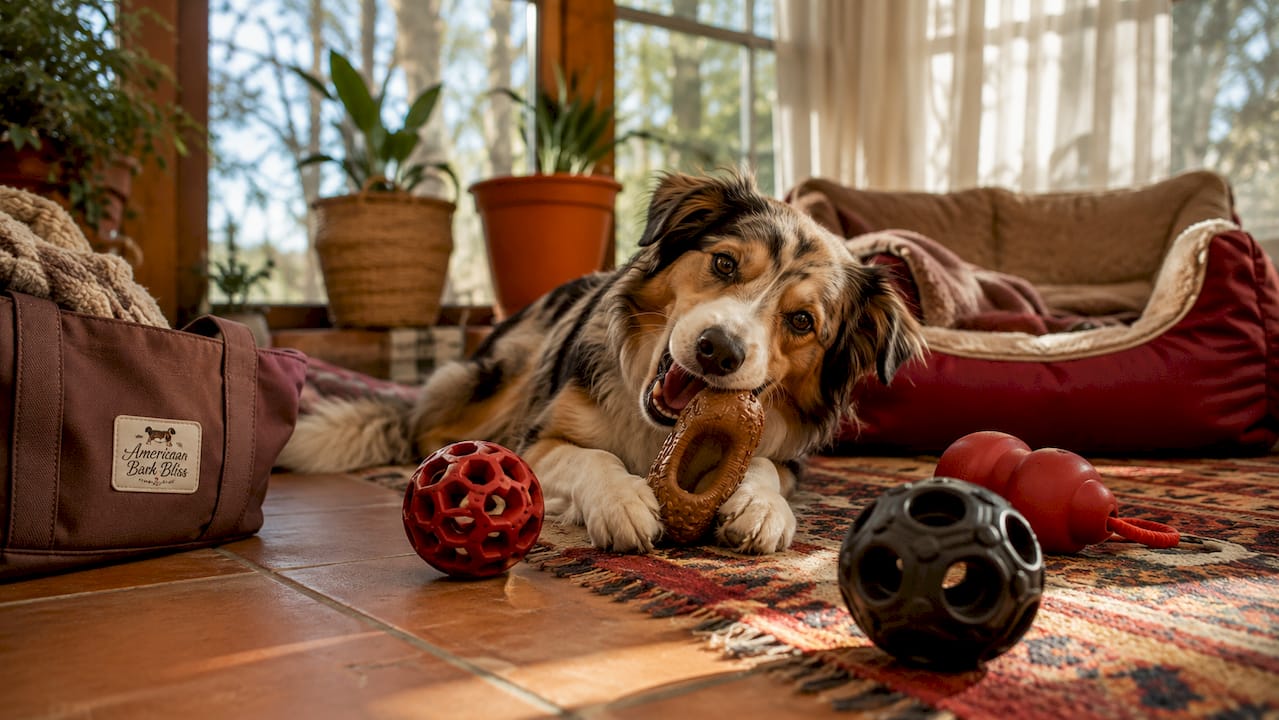
Natural rubber is the gold standard for eco-friendly chew toys. It is biodegradable, free from BPA and phthalates, and significantly more durable than synthetic plastic alternatives. Toys made from it typically fall in the $12–$22 price range and often come with replacement guarantees.
The key word to look for on packaging is “natural” rubber, not just “rubber.” Generic rubber can be a synthetic blend that does not biodegrade. Natural rubber comes from rubber tree sap, making it a renewable resource with a much lower environmental footprint.
- Natural rubber toys: Biodegradable, BPA-free, and long-lasting for heavy chewers
- Hemp rope toys: Naturally antimicrobial, biodegradable, and gentle on gums
- Organic cotton toys: Soft, chemical-free, and compostable at end of life
- Recycled material toys: Made from post-consumer plastics, reducing landfill waste
Rotating a small selection of toys keeps dogs mentally stimulated while cutting down on how many toys you buy overall. Novelty drives a dog’s interest, not quantity. A rotation of four to six toys beats a pile of twenty.
Pro Tip: Choose chew-resistant natural rubber toys sized for your dog’s breed. An undersized toy becomes a choking hazard and a replacement purchase, both of which defeat the sustainability goal.
2. Organic hemp and recycled polyester collars
Recycled polyester webbing matches virgin nylon in tensile strength while diverting post-consumer plastic from landfills. The Eden recycled dog collar from Americanbarkbliss is a direct example of this material in practice, using plant-based recycled content without sacrificing durability.
Organic hemp collars take a different approach. Hemp resists bacteria naturally and requires far less water during cultivation than conventional cotton. That means fewer chemical treatments during production and a collar that stays fresher between washes.
- Recycled polyester: Strong as nylon, made from post-consumer plastic bottles
- Organic hemp: Antimicrobial, low water footprint, and naturally soft
- Cork: Lightweight, water-resistant, and harvested without cutting down trees
- Hardware matters: Stainless steel or solid brass buckles outlast zinc alloy by years
The hardware on a collar is where most products fail first. Zinc alloy buckles corrode and crack. Stainless steel and solid brass do not. Choosing the right hardware is the single easiest way to double a collar’s lifespan.
Pro Tip: Rinse hemp and recycled polyester collars in cold water monthly and air dry. Avoid machine drying, which degrades webbing fibers and shortens the product’s life.
| Material | Key benefit | Best for |
|---|---|---|
| Recycled polyester | Strength equal to nylon | Active dogs, water activities |
| Organic hemp | Antimicrobial, low water use | Dogs with sensitive skin |
| Cork | Lightweight, water-resistant | Small breeds, casual wear |
3. Recycled polyester leashes
The Manhattan recycled dog leash from Americanbarkbliss demonstrates how post-consumer plastic can become a functional, durable walking accessory. Recycled polyester leashes carry the same load-bearing strength as conventional nylon versions. The difference is in the supply chain, not the performance.
When shopping for a sustainable leash, check the hardware the same way you would for a collar. A leash with solid brass or stainless steel clasps will outlast one with zinc alloy fittings by a significant margin. Repairing a worn clasp costs far less than replacing the entire leash.
Pro Tip: Inspect leash stitching at the handle and clip attachment points every few months. Catching a frayed seam early lets you repair it with a simple hand stitch rather than discarding the whole leash.
4. Biodegradable and compostable waste bags
Not all waste bags marketed as “biodegradable” actually break down safely. Bags without ASTM D6400 or EN 13432 certification often fragment into microplastics rather than composting fully. That distinction matters enormously for soil and waterway health.
The materials that meet these standards include cornstarch, cassava, and plant polymer blends. These break down in industrial composting facilities and, in some certified cases, in home compost setups. The certification label is the only reliable indicator.
- ASTM D6400: The American standard for compostable plastics in industrial facilities
- EN 13432: The European equivalent, widely recognized and equally rigorous
- Cornstarch bags: Fully plant-based, compostable, and widely available
- Cassava bags: Softer feel, strong, and certified compostable in many markets
- Avoid: Any bag labeled only “degradable” without a composting certification
Pro Tip: Check your local waste management rules before composting dog waste bags at home. Many municipalities require industrial composting for certified bags to break down correctly.
5. Solid shampoo bars for dogs
One solid shampoo bar replaces one to three plastic bottles of liquid shampoo. Solid bars are more concentrated, contain fewer preservatives, and generate no plastic packaging waste. They also weigh less, which reduces shipping emissions.
The critical factor for canine use is pH balance. Dog skin has a different pH than human skin, sitting closer to neutral. A shampoo bar formulated for humans will disrupt a dog’s skin barrier over time. Always choose bars explicitly labeled for dogs.
- Solid shampoo bars: Eliminate plastic bottles and last longer per wash
- Bamboo grooming brushes: Bamboo grows fast and is harvested without killing the plant
- Biodegradable grooming wipes: Free from synthetic fragrances and harmful chemicals
- Natural ingredient formulas: Reduce chemical runoff into waterways after bathing
The Country Living All-in-One 3-Piece Dog Grooming Kit from Americanbarkbliss bundles grooming tools designed with durability and natural materials in mind. A complete kit reduces the need to buy individual plastic-packaged items separately.
Pro Tip: Store solid shampoo bars on a draining soap dish between uses. Sitting in pooled water dissolves the bar faster and cuts its lifespan in half.
6. Bamboo and recycled plastic dog bowls
Bamboo dog bowls are a direct swap for petroleum-based plastic feeding dishes. Bamboo is fast-growing, requires no pesticides, and produces a hard, food-safe surface when properly processed. Look for bowls that are 100% bamboo fiber rather than bamboo-plastic composites, which are harder to recycle.
Recycled plastic bowls made from post-consumer HDPE are another strong option. HDPE is food-safe, dishwasher-safe, and one of the most widely recycled plastics in the United States. Choosing recycled HDPE over virgin plastic cuts the material’s carbon footprint substantially.
Stainless steel bowls deserve mention here too. They are not made from renewable materials, but they last decades with proper care. Durability and product longevity are more critical for sustainability than the “eco-friendly” label alone. A stainless steel bowl that lasts fifteen years beats a bamboo bowl replaced every two.
7. Dog beds made from recycled materials
Dog beds stuffed with fill made from recycled plastic bottles are one of the most practical examples of sustainable pet gear. A single standard-sized dog bed can divert dozens of bottles from landfills. The recycled polyester fill performs comparably to virgin polyester in loft and comfort.
The outer cover material matters just as much as the fill. Covers made from organic cotton or recycled fabric blends avoid the chemical treatments common in conventional upholstery textiles. Removable, washable covers extend the bed’s life by years.
Repairing torn accessories or buying gently used beds cuts waste and resource consumption more effectively than buying new eco-labeled products. A second-hand dog bed in good condition has a lower environmental cost than any new product, regardless of its materials.
8. Minimally packaged organic dog treats
Treats are a daily purchase for most dog owners, which makes packaging waste add up fast. Treats sold in bulk, in compostable bags, or in minimal cardboard packaging reduce that waste significantly. The treat itself also matters. Treats made with organic or responsibly sourced ingredients avoid the pesticide and antibiotic residues common in conventional pet food supply chains.
Single-ingredient treats, such as dehydrated chicken or duck, carry the shortest ingredient list and the most transparent sourcing. They also tend to have fewer additives, which benefits your dog’s digestion and overall health.
| Treat type | Sustainability advantage | Health benefit |
|---|---|---|
| Single-ingredient dehydrated | Minimal processing, simple packaging | No additives or fillers |
| Organic grain-free | Responsibly sourced ingredients | Fewer pesticide residues |
| Bulk-purchased treats | Reduces per-unit packaging waste | Same nutrition, less waste |
9. Grooming gloves with natural or recycled materials
Grooming gloves replace single-use lint rollers and reduce the need for multiple plastic-handled brushes. A well-made grooming glove handles deshedding, bathing, and massage in one tool. That consolidation cuts the number of products you buy and discard.
The Americanbarkbliss pet grooming glove uses a five-finger design that works across coat types. Multi-use tools like this are a practical example of what eco-conscious pet gear looks like in daily use.
Pro Tip: Rinse grooming gloves thoroughly after each use and hang them to dry. Trapped moisture and hair buildup degrade the material faster and reduce the glove’s effectiveness.
10. Safe, durable tug and fetch toys from sustainable materials
Tug toys and fetch toys take more physical stress than most other accessories. That makes material choice critical. Toys that shred quickly create waste and potential ingestion hazards. Natural rubber and tightly woven organic cotton handle repeated stress without breaking apart.
The safe pet toys guide from Americanbarkbliss covers how to match toy construction to your dog’s play style and chew strength. Matching the toy to the dog is the most overlooked factor in reducing toy waste. A toy rated for light chewers will not survive a power chewer, no matter how sustainable its materials are.
Small lifestyle changes like choosing bamboo grooming tools and biodegradable waste bags not only reduce your dog’s carbon pawprint but also benefit pet health directly. Fewer synthetic chemicals mean less skin irritation, fewer allergic reactions, and cleaner environments for both dogs and their owners.
Key takeaways
Eco friendly dog accessories deliver the most environmental benefit when they combine sustainable materials with genuine durability, verified certifications, and responsible end-of-life disposal.
| Point | Details |
|---|---|
| Certifications over claims | Look for ASTM D6400 or EN 13432 on waste bags to confirm true compostability. |
| Natural rubber beats synthetic | Natural rubber toys are biodegradable and BPA-free; generic rubber often is not. |
| Hardware determines lifespan | Stainless steel or solid brass buckles outlast zinc alloy and reduce replacement frequency. |
| Durability is sustainability | A long-lasting product reduces waste more than a fragile eco-labeled one replaced every few months. |
| Rotate and repair | Rotating toys and repairing gear cuts consumption without requiring new purchases. |
What I’ve learned after years of watching the eco pet market evolve
The eco-friendly pet product space has a serious greenwashing problem. I have seen bags labeled “biodegradable” that contain no certification and fragment into microplastics. I have seen collars marketed as “sustainable” that use zinc alloy hardware guaranteed to fail within a year. The buzzwords move faster than the standards.
The most useful filter I have found is this: ask whether the product is built to last. A natural rubber toy that survives two years of daily chewing is more sustainable than a certified-compostable toy that shreds in three weeks. Durability is the sustainability metric that marketing rarely mentions because it discourages repeat purchases.
The second thing I have learned is that the transition does not need to happen all at once. Start with the products your dog uses every single day. Waste bags, grooming tools, and a collar are daily touchpoints. Swapping those three categories to genuinely sustainable versions makes a measurable difference before you ever touch the toy bin.
The third lesson is harder to accept: second-hand gear is almost always the most sustainable choice. A gently used dog bed with recycled fill has a lower environmental cost than any new product on the market. Sustainability need not be costly. Many of the best habits involve using existing items longer or buying second-hand, which saves money and reduces waste simultaneously.
Prioritize your dog’s health alongside the environmental angle. Non-toxic materials, pH-balanced grooming products, and food-safe bowls protect your dog directly. The planet benefit is real, but so is the immediate benefit to the animal living with you.
— Christopher
Americanbarkbliss has sustainable dog gear made in the USA
Americanbarkbliss carries a curated selection of durable, American-made dog accessories built for owners who want quality and sustainability in the same product.
The USA-K9 Stars and Stripes rubber chew toy is made in the USA from natural rubber and built to handle serious chewers without breaking apart. For treats, the Americana Chicken Chips use a single-ingredient, USA-sourced recipe with minimal packaging. The Eden recycled dog collar brings post-consumer recycled materials into everyday wear. Every product on the site ships from American makers who prioritize craftsmanship and material transparency.
FAQ
What materials make a dog accessory truly eco friendly?
Eco friendly dog accessories use materials like natural rubber, organic hemp, recycled polyester, bamboo, and certified plant-based plastics. These materials are renewable, biodegradable, or made from post-consumer waste, and they avoid synthetic chemicals that harm pets and the environment.
How do I know if a dog waste bag is genuinely compostable?
Look for ASTM D6400 or EN 13432 certification on the packaging. Bags without these certifications may fragment into microplastics rather than breaking down safely in composting conditions.
Are natural rubber dog toys safer than plastic ones?
Natural rubber toys are BPA-free, phthalate-free, and biodegradable, making them safer for dogs and the environment than most synthetic plastic alternatives. Always confirm the label says “natural” rubber, not just “rubber,” to avoid synthetic blends.
What is the most sustainable thing I can do for my dog’s accessories?
Prioritize durability over eco labels. A long-lasting product made from conventional materials often has a lower environmental footprint than a fragile eco-labeled product replaced every few months. Repairing gear and buying second-hand are also highly effective strategies.
Do eco friendly pet supplies cost more than conventional ones?
Not always. Many sustainable habits, like rotating toys, repairing leashes, and buying treats in bulk, reduce overall spending. Premium sustainable products may carry a higher upfront cost, but their longer lifespan typically lowers the cost per use over time.
Leave a comment