

Dog Travel Preparation Steps: Your 2026 Safety Guide
Dog travel preparation steps are the proactive measures you take weeks before departure to keep your dog safe, calm, and legally compliant throughout any journey. Whether you’re planning a road trip with dogs or flying with dogs preparation is on your mind, the difference between a smooth trip and a chaotic one comes down to how early and how thoroughly you plan. Skipping steps doesn’t just cause inconvenience. It can result in denied boarding, a stressed dog, or a genuine safety emergency. This guide walks you through every stage, from your first vet appointment to packing the right gear, using the most current 2026 standards and expert-backed timelines.
What are the dog travel preparation steps you need to follow?
Dog travel preparation is the industry term professionals use to describe the full sequence of actions required before, during, and after travel with a pet. The process covers veterinary clearance, documentation, carrier conditioning, packing, and in-transit safety. Start this process 4 to 6 weeks before your departure date for domestic travel. For international travel, research destination requirements 3 to 6 months in advance, since import rules, quarantine periods, and required vaccinations vary dramatically by country.
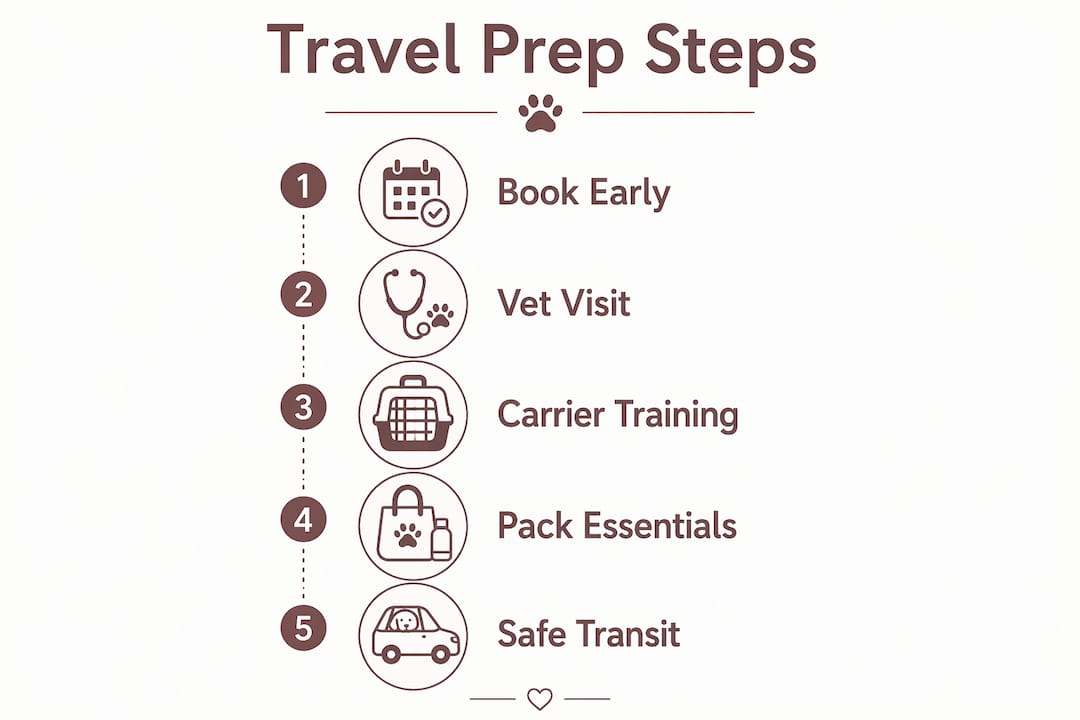
The preparation sequence follows a logical order:
- Book travel and confirm pet policies. Contact your airline or hotel directly to confirm their pet policies. Manual confirmation with airlines is non-negotiable because pet bookings are often not linked to your passenger record, and some aircraft types have restrictive or zero pet policies that can result in last-minute denial.
- Schedule a veterinary wellness exam. Book this appointment at least 4 weeks out to allow time for any required vaccinations to take effect and for paperwork to be processed.
- Begin carrier acclimation. Introduce the carrier immediately after booking. Dogs need a minimum of 2 to 4 weeks to adjust comfortably to a confined space.
- Gather and complete all documentation. Health certificates, vaccination records, and any destination-specific import permits must be ready before travel day.
- Pack your dog travel checklist items. Assemble food, medications, safety gear, and comfort items at least 48 hours before departure.
Pro Tip: Set a calendar reminder the day you book travel to start carrier acclimation. Most owners forget this step until the week before departure, which is far too late for a calm, confident dog.
How do veterinary checks and documentation work for travel?
The Certificate of Veterinary Inspection (CVI), commonly called a health certificate, is the core document for traveling with dogs. A licensed veterinarian issues it after a physical wellness exam confirms your dog is fit to travel. The exam screens for respiratory issues, signs of illness, and any conditions that could worsen under travel stress.
Key documentation requirements include:
- Rabies vaccination: Required for virtually all domestic and international travel. Verify that your dog’s certificate is current and that the vaccine was administered within the required window for your destination.
- Destination-specific vaccines: Some countries and U.S. states require leptospirosis, Bordetella, or other vaccines. Check requirements at least 8 weeks out so boosters have time to take effect.
- Health certificate timing: Most health certificates are valid for only a 10-day window before departure. This means you cannot get the certificate too early. Schedule the vet visit as close to departure as your airline or destination requires.
- USDA APHIS endorsement: For international travel, the CVI must be endorsed by the USDA. USDA APHIS now supports digital endorsement through the VEHCS (Veterinary Export Health Certification System), which eliminates the delays of physical mail and speeds up the process significantly.
- CDC import rules: Dogs arriving from countries classified as high-risk for rabies face additional CDC requirements, including specific documentation and sometimes serological testing. Verify current CDC import rules directly, as they updated in 2024 and remain in effect.
“Owners arriving at airports without compliant documents or gear risk denied boarding and elevated dog anxiety. Add at least 60 minutes to your airport arrival time when traveling with pets.”
Always verify your airline’s specific health document requirements separately from government requirements. Airlines frequently impose stricter or different standards than federal minimums.
How do you acclimate your dog to a carrier before travel?
Carrier acclimation is a systematic 2 to 4 week process that uses positive reinforcement to help your dog associate the carrier with safety and reward rather than confinement and stress. Introducing the crate on travel day is one of the most damaging mistakes an owner can make. It causes acute anxiety, excessive vocalization, and can trigger lasting noise phobia.
Follow these progressive steps:
- Week 1: Open carrier exposure. Place the carrier in a common room with the door open. Toss high-value treats inside and let your dog enter and exit freely. Never force entry.
- Week 1 to 2: Feeding near and inside the carrier. Move your dog’s food bowl progressively closer to, then inside, the carrier. This builds a positive food association.
- Week 2: Door closure practice. Close the door for 10 to 30 seconds while your dog eats, then open it. Gradually extend the duration over several days.
- Week 3: Short stationary sessions. Ask your dog to stay in the closed carrier for 5 to 15 minutes. Reward calm behavior with treats and calm verbal praise.
- Week 3 to 4: Car ride trials. Place the carrier in the car and take short 5 to 10 minute drives. Extend duration progressively. This exposes your dog to motion, engine noise, and temperature changes before the actual trip.
One underrated training goal is teaching your dog to relieve themselves on various surfaces. Dogs conditioned only to grass may hold their bladder for dangerously long periods during travel stops on concrete, gravel, or airport turf. Practice bathroom breaks on different surfaces at home weeks before departure.
For dogs showing persistent anxiety, Adaptil spray applied to the carrier 15 minutes before use can reduce stress signals. For severe cases, consult your veterinarian about a trial run with anti-anxiety medication before the actual travel date. Never administer a new medication for the first time on travel day.
Pro Tip: Use an airline-approved carrier backpack during acclimation training so your dog bonds with the exact carrier they will use on travel day. Switching carriers at the last minute resets the acclimation process.
What should you pack and how do you keep your dog safe in transit?
A complete dog travel checklist covers four categories: nutrition, safety, health, and comfort. Packing the right items prevents the most common mid-trip crises.
| Category | Items to Pack |
|---|---|
| Nutrition | Regular dog food, 2 extra days’ supply, collapsible bowls, bottled water |
| Safety | Crash-tested harness or secured crate, leash, ID tags, microchip records |
| Health | Medications, vaccination records, health certificate, pet first aid kit, flea and tick prevention |
| Comfort | Familiar blanket or toy, calming spray, waste bags (50 or more) |
Withhold food 4 to 6 hours before departure to reduce the risk of motion sickness and nausea. This is especially important for dogs prone to car sickness. Offer water in small amounts at regular intervals rather than a full bowl before departure.
Vehicle safety is non-negotiable. Failing to restrain dogs properly in vehicles can turn minor accidents into fatal events. A crash-tested harness or a secured crate significantly reduces injury risk. A dog booster seat with harness strap works well for smaller breeds and keeps dogs contained without restricting visibility. Never allow your dog to ride loose in the car, sit in your lap while driving, or ride in an open truck bed.
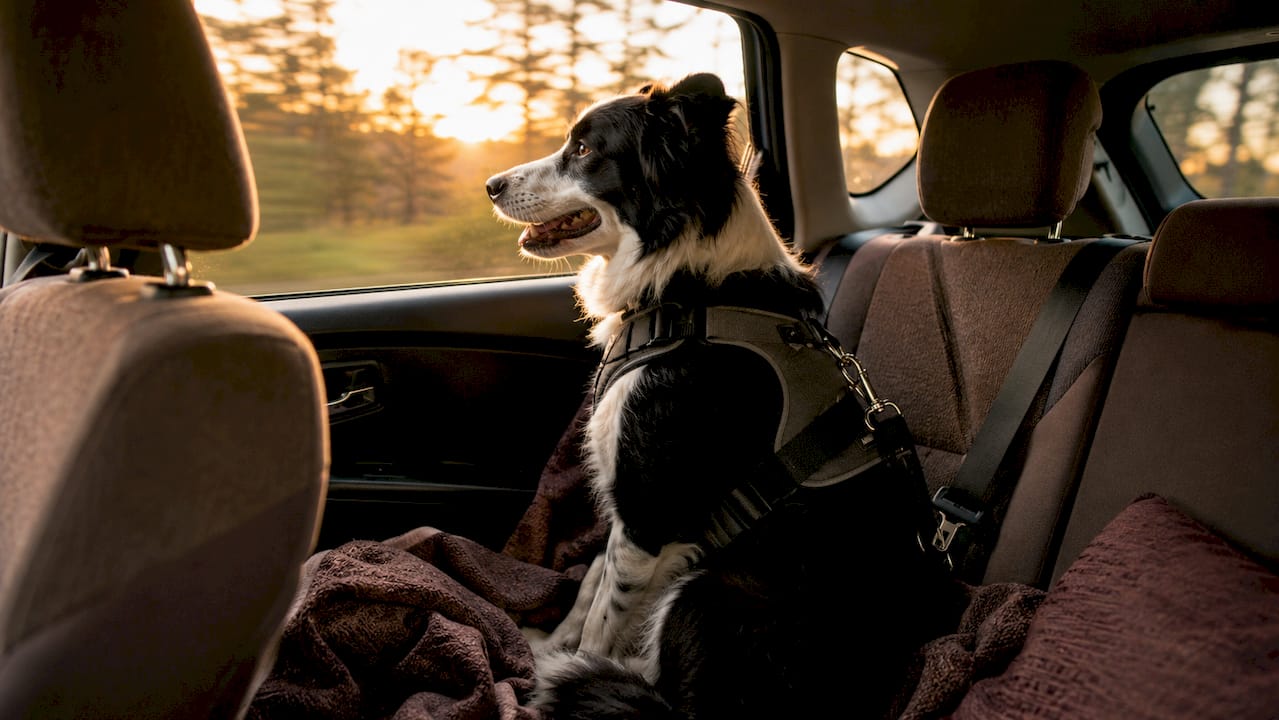
Plan rest stops every 2 hours on long road trips. Each stop should include a bathroom break, fresh water, and 5 to 10 minutes of movement. Research emergency vet clinics along your route before you leave. Finding emergency vet clinics ahead of time is one of the clearest markers separating prepared owners from those who scramble mid-trip.
What are the most common dog travel preparation mistakes?
Most travel problems trace back to a short list of avoidable errors. Recognizing them before departure is the fastest way to prevent a stressful trip.
- Late carrier introduction. Waiting until the week before travel to introduce the crate causes anxiety and noise phobia. The minimum window is 2 to 4 weeks of progressive acclimation.
- Skipping or delaying vet appointments. Health certificates have a strict validity window, and some vaccines require weeks to take effect. Delayed vet visits lead to missing paperwork and denied boarding.
- No vehicle restraint. Loose dogs in cars are a safety hazard for the dog and the driver. A crash-tested harness or secured crate is the standard, not optional.
- Packing only enough food for the trip. Delays happen. Pack at least two extra days of your dog’s regular food. Switching food brands mid-trip causes digestive upset, which compounds travel stress.
- Rushing airport procedures. Arriving without extra time when traveling with a dog creates a cascade of stress for both of you. Add 60 minutes to your normal airport arrival buffer.
- Ignoring temperament signals. Not all dogs adapt well to travel. Some dogs experience genuine psychological distress from long-distance journeys. If your dog shows persistent fear, aggression, or shutdown behavior during trial runs, consult your vet about whether travel is appropriate or whether a pet sitter is a better option.
- Skipping a trial medication run. If your vet prescribes anti-anxiety or anti-nausea medication, test it at home first. Reactions vary, and travel day is not the time to discover your dog becomes overly sedated or agitated.
Key takeaways
Successful dog travel preparation requires starting at least 4 to 6 weeks before departure, completing veterinary documentation within the required validity window, conditioning your dog to the carrier progressively, and securing them properly in any vehicle.
| Point | Details |
|---|---|
| Start 4 to 6 weeks early | Book travel, schedule the vet, and begin carrier acclimation immediately after booking. |
| Health certificate timing | CVIs are valid for only 10 days before departure; schedule the vet visit accordingly. |
| Carrier acclimation | Use a 2 to 4 week progressive process with treats and short car rides before the actual trip. |
| Vehicle safety | Use a crash-tested harness or secured crate on every trip, no exceptions. |
| Pack for delays | Bring 2 extra days of regular food and research emergency vet clinics along your route. |
What I’ve learned from years of watching owners get this wrong
The pattern I see most often is owners who treat dog travel preparation as a checklist to complete the night before departure. They buy a carrier, stuff their dog inside it, and wonder why the airport experience is a disaster. The carrier acclimation timeline isn’t a suggestion. It’s the difference between a dog that settles within minutes and one that screams for six hours on a flight.
The documentation piece surprises people too. I’ve spoken with owners who had every vaccine current but didn’t realize their health certificate expired two days before their flight because they scheduled the vet appointment too early. The 10-day validity window is unforgiving. Build your entire pre-travel calendar around that constraint.
The restraint issue is the one that genuinely concerns me most. I’ve seen owners drive cross-country with a 60-pound dog loose in the back seat, convinced their dog is “too calm to need a harness.” One hard brake changes everything. A crash-tested harness or a properly secured crate isn’t about your dog’s personality. It’s about physics.
My honest recommendation: treat each preparation step as a training session, not a task. The vet visit, the carrier practice, the trial car rides. Each one teaches your dog that travel is predictable and safe. Dogs that travel well aren’t born that way. They’re prepared that way.
— Christopher
Gear that makes every step of dog travel easier
Preparation is only as good as the gear backing it up. Americanbarkbliss carries American-made pet accessories built specifically for the demands of travel, from safety to comfort to emergency readiness.

A comfort dog bed gives your dog a familiar resting surface in hotels or at rest stops, reducing anxiety in unfamiliar environments. For entertainment and stress relief during long stretches, tug toys keep dogs mentally engaged and calm. Every travel kit should also include a dedicated first aid kit and a carrier your dog has already bonded with through weeks of acclimation training. Browse the full Americanbarkbliss travel collection to build out your dog travel checklist with gear that’s built to last and made in the USA.
FAQ
How far in advance should I start dog travel preparation?
Start at least 4 to 6 weeks before domestic travel and 3 to 6 months before international travel. This window covers carrier acclimation, veterinary appointments, and documentation processing.
When should I get my dog’s health certificate before flying?
Schedule the veterinary exam so the health certificate is issued within 10 days of your departure date. Most airlines and countries require the certificate to fall within this validity window.
Do I need USDA endorsement for my dog’s health certificate?
USDA APHIS endorsement is required for international travel. The VEHCS digital system now handles endorsements electronically, which speeds up the process and eliminates physical mail delays.
What is the safest way to restrain a dog in a car?
A crash-tested harness connected to the seat belt system or a secured crate are the two safest options. Loose dogs in vehicles become projectiles in accidents, which is dangerous for both the dog and passengers.
Can all dogs handle long-distance travel?
No. Some dogs experience significant psychological distress from travel, particularly long flights or multi-day road trips. Assess your dog’s temperament honestly during trial runs and consult your vet if you observe persistent fear or shutdown behavior.
Leave a comment