

Comfortable Pet Apparel: What Dog Owners Need to Know
TL;DR:
- Comfortable pet apparel is clothing designed to fit snugly, allow freedom of movement, and serve practical purposes. It is made from breathable natural or semi-natural fabrics like organic cotton, bamboo, and fleece to prevent overheating and skin irritation. Proper fit, gradual introduction, and functional benefits are essential for dog comfort and well-being.
Comfortable pet apparel is clothing designed to give your dog freedom of movement, a secure fit, and functional protection without causing stress or restriction. The term covers everything from fleece-lined winter coats to breathable cotton tees, but the industry standard phrase is “functional pet apparel,” meaning clothing that serves a clear purpose beyond decoration. Veterinarians and professional trainers agree that clothing must fit snugly without blocking a dog’s ability to sit, walk, or lie down naturally. Apparel that passes that test supports your dog’s well-being. Apparel that fails it creates anxiety, overheating, and physical harm.
What is comfortable pet apparel made of?
The fabric is the first decision, and it determines almost everything else. The best pet clothing for comfort uses natural or semi-natural fibers that breathe, stretch, and feel soft against skin. Organic cotton, bamboo blends, and moisture-wicking mesh prevent overheating and skin irritation during everyday wear. That matters because dogs regulate body heat differently than humans, and a fabric that traps heat becomes a health risk fast.
The materials to avoid are stiff synthetics and scratchy polyester blends. These fabrics cause friction against a dog’s coat, which leads to hot spots, matting, and persistent scratching. For cold weather, fleece-lined layers or insulated jackets add warmth without bulk, making them the go-to choice for thin-coated breeds like Greyhounds, Chihuahuas, and Italian Greyhounds. Fleece is also gentle enough for pet apparel for sensitive skin.
Stretchy fabrics deserve special attention. A garment with four-way stretch moves with your dog instead of against them. Research using 3D virtual fitting pressure mapping shows that the chest and abdomen are the highest-pressure zones in dog apparel design. Fabrics with adequate stretch reduce localized pressure in those areas, which directly improves comfort during active wear.
Here is a quick breakdown of the best fabric choices by use case:
- Organic cotton: Everyday wear, warm climates, pets with allergies
- Bamboo blends: Moisture control, odor resistance, sensitive skin
- Fleece: Cold weather, indoor warmth, thin-coated breeds
- Moisture-wicking mesh: Active dogs, summer walks, post-bath drying
- Four-way stretch knit: High-mobility garments, jumpsuits, pajamas
Pro Tip: If your dog has sensitive skin, wash new apparel twice before the first wear. This removes manufacturing residues and softens fibers, reducing the chance of a skin reaction.
How do you measure your dog for the right fit?
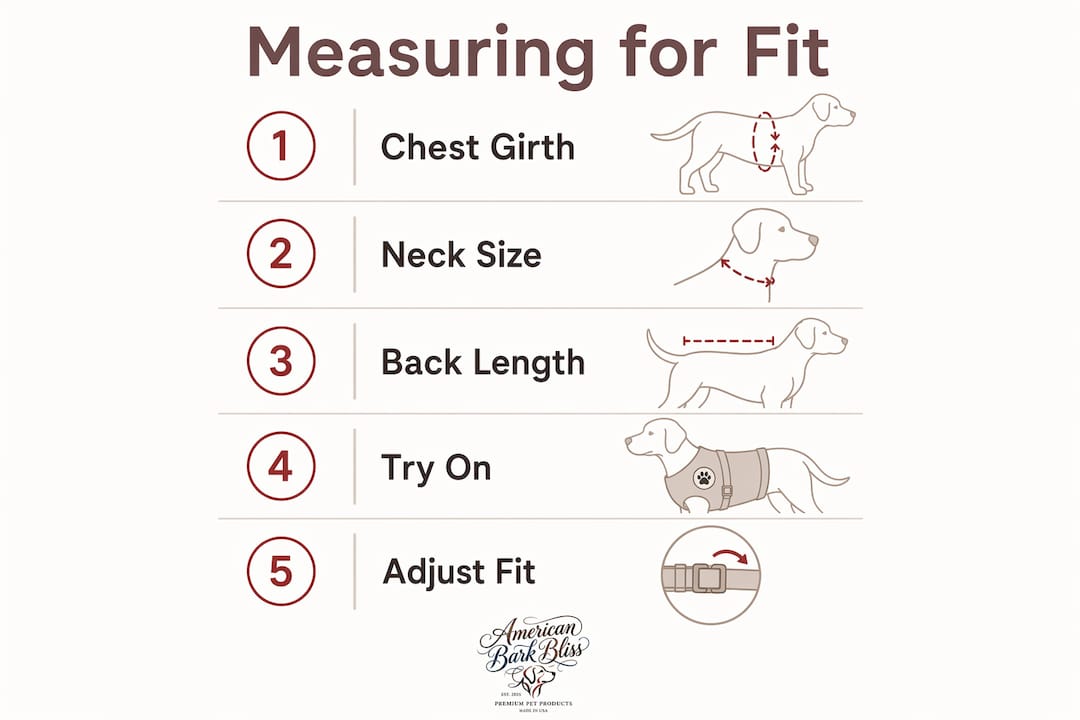
Fit is the single biggest factor in whether your dog tolerates clothing or fights it. Improperly sized clothing that is too tight restricts movement and makes dressing stressful. Clothing that is too loose creates snagging hazards and can cause trips or choking. Neither extreme is acceptable.
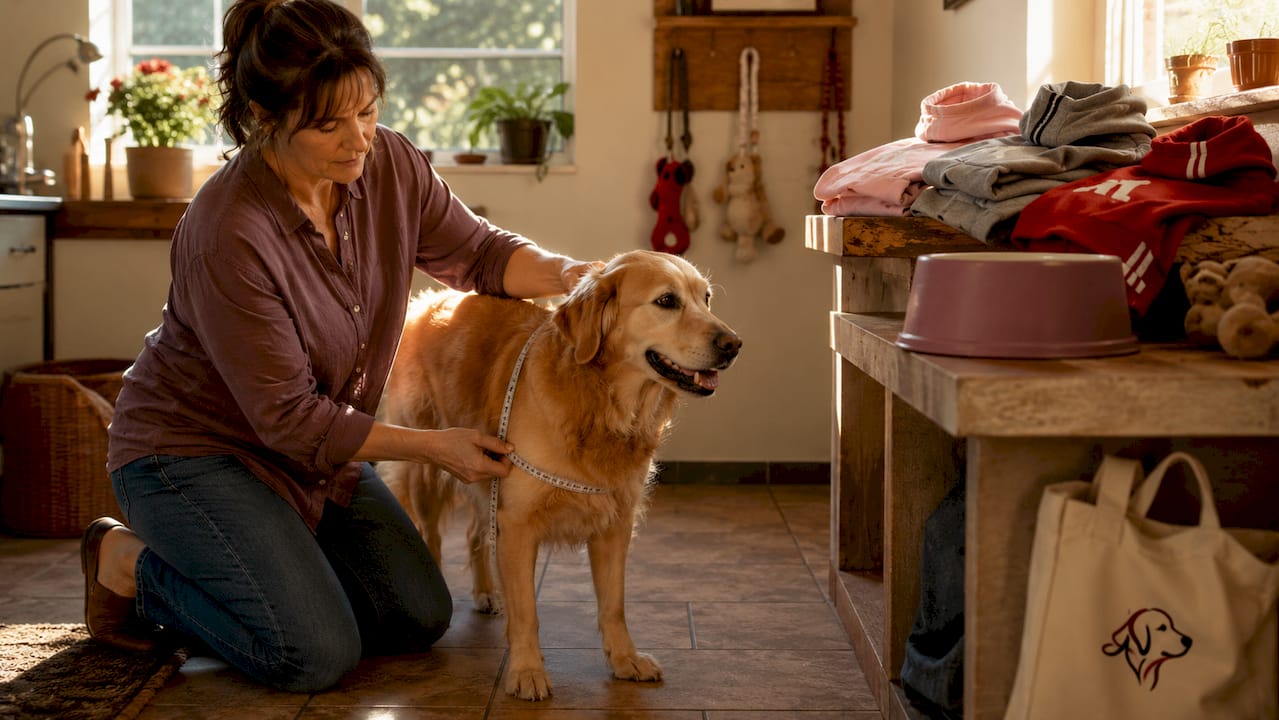
Measure three points before buying any garment: chest girth (the widest part of the rib cage), neck circumference, and back length (from the base of the neck to the base of the tail). Use a soft measuring tape and add roughly one inch to each measurement for comfort room. The Americanbarkbliss sizing guide for dog clothes walks through this process step by step, which is especially useful for mixed breeds or dogs with non-standard body proportions.
Different breeds present different fit challenges. A Dachshund has a long back and short legs, so standard sizing often leaves the torso too short or the leg holes too wide. A Bulldog has a wide chest and narrow waist, which means most straight-cut garments gap at the back. Adjustable fastenings, like velcro straps or elastic waistbands, solve these problems without requiring a custom garment.
| Fit issue | What it causes | How to fix it |
|---|---|---|
| Too tight at chest | Restricted breathing, anxiety | Size up or choose a stretch fabric |
| Too loose at neck | Snagging, escape risk | Use adjustable collar closure |
| Too short in back | Exposed skin, poor coverage | Measure back length before buying |
| Leg holes too wide | Tripping, chafing | Look for adjustable or fitted leg cuts |
| No stretch in fabric | Limited shoulder mobility | Choose four-way stretch knit |
Pro Tip: After putting on a new garment, ask your dog to sit, walk three steps, and lie down. If they hesitate or move awkwardly on any of those actions, the fit needs adjustment before regular wear.
A well-fitted garment should allow you to slide two fingers under any strap or band. That is the same two-finger rule used in dog harness fitting, and it applies equally to apparel. Reinforced seams at stress points, like the chest and shoulder, also extend garment life and prevent mid-walk blowouts.
How do you introduce your dog to wearing clothes?
Most dogs do not instinctively accept clothing. The key is gradual desensitization, which means building positive associations with the garment before it ever goes on your dog’s body. Rushing this process creates lasting resistance. Taking it slow creates a dog that dresses without drama.
Follow these steps in order:
- Place the garment on the floor. Let your dog sniff it freely. Reward calm investigation with a treat. Repeat for one or two sessions.
- Drape it loosely over your dog’s back. Do not fasten anything. Give treats and praise immediately. Remove after 30 seconds.
- Fasten the garment for 3–5 minutes. Keep your dog engaged with play or a chew. Watch for stress signals throughout.
- Extend wear time gradually. Only increase duration if your dog shows no signs of distress. Add five minutes per session.
- Pair wearing with something your dog loves. A walk, a meal, or a training session makes the garment feel like a signal for good things.
Reading your dog’s body language is non-negotiable throughout this process. Stress signals include freezing in place, repeated scratching at the garment, low body posture, and attempts to escape or roll the clothing off. Any of these signs means the session ends immediately and you return to an earlier step. Comfort overrides all other goals.
If your dog consistently resists after multiple patient sessions, the garment may not be the right fit, fabric, or style for their body type. That is useful information, not a failure.
What are the functional benefits of pet apparel?
Comfortable outfits for pets do more than look good in photos. The most common functional uses fall into four clear categories: warmth, protection, anxiety relief, and hygiene. Each one addresses a real physical need, not a preference.
Warmth is the most straightforward. Thin-coated breeds lose body heat quickly in cold weather, and a well-fitted coat or sweater compensates for what their coat cannot provide. Pet apparel also reduces heating costs by warming the dog directly rather than requiring the whole home to stay at a higher temperature. That is a practical benefit most pet parents do not consider until their first winter with a short-haired dog.
Protection covers a wider range of situations. Booties protect paws from road salt, ice, and hot pavement. Raincoats keep dogs dry and reduce the amount of grooming and toweling needed after wet walks. Sun shirts, like the Body Glove pet sun shirt, block UV exposure for dogs with thin coats or pink skin. These are not luxury items. They are targeted tools for specific conditions.
Anxiety relief through snug-fitting garments works for some dogs, particularly during thunderstorms or fireworks. The mechanism is similar to swaddling in infants: gentle, even pressure across the torso can reduce the physiological stress response. Not every dog responds to this, but for those that do, the right garment makes a measurable difference in behavior.
Hygiene is the least discussed benefit. Post-surgery recovery suits keep dogs from licking wounds without the stress of a cone. Pajamas reduce the amount of dander and hair shed onto furniture overnight. These are practical reasons that veterinarians increasingly recommend apparel as part of a care plan, not just an aesthetic choice.
Key Takeaways
Comfortable pet apparel works when fabric, fit, and function align with your dog’s specific body type and behavioral needs.
| Point | Details |
|---|---|
| Fabric determines comfort | Choose organic cotton, bamboo, fleece, or four-way stretch knit based on climate and activity. |
| Fit requires three measurements | Measure chest girth, neck circumference, and back length before buying any garment. |
| Gradual introduction prevents stress | Use desensitization steps and reward-based conditioning before extending wear time. |
| Function justifies clothing | Warmth, paw protection, anxiety relief, and hygiene are all legitimate reasons to dress your dog. |
| Stress signals mean stop | Freezing, scratching, or escape attempts require immediate removal of the garment. |
Why comfort should always come before style
I have watched pet parents spend real money on beautifully designed garments that their dogs wore exactly once. The problem was never the price or the look. It was that nobody checked whether the dog could move freely in it.
The fit experience matters more than fabric softness alone. A dog that cannot lift its front leg fully, or that feels pressure across its shoulders with every step, will find a way to remove that garment. And they will remember the experience negatively, which makes the next dressing attempt harder. Shoulder and leg mobility are the two things I check first, before I even look at the material.
What I have found is that pets tolerate clothing far better when the garment serves a clear function they can feel. A dog that was shivering on a cold morning and then felt warm in a fleece coat learns quickly that the coat means comfort. That association builds acceptance faster than any training technique. Function creates buy-in.
My honest recommendation: choose a comfort-first apparel design before you think about color or pattern. Monitor your dog’s behavior every single time they wear something new. And if a garment causes any distress after a fair introduction period, retire it. No outfit is worth your dog’s well-being.
— Christopher
Americanbarkbliss has comfortable options worth trying
Americanbarkbliss builds pet apparel around fit, fabric quality, and real functional purpose. Every piece in the collection is made with dog comfort as the starting point, not an afterthought.
The pet dog jumpsuit for small to medium dogs uses soft, stretchy fabric that allows full shoulder and leg mobility. For dogs that need something gentler against their skin, the silk duck pajamas offer a smooth, low-friction option that works well for overnight wear or post-grooming recovery. If you want style with structure, the designer dog jumpsuit combines a tailored look with the same comfort-first construction. Browse the full Americanbarkbliss collection to find the right fit for your dog’s body type and lifestyle.
FAQ
What is comfortable pet apparel?
Comfortable pet apparel is clothing designed to fit snugly without restricting a dog’s natural movement, made from soft, breathable fabrics that serve a functional purpose such as warmth or protection.
What fabrics work best for dogs with sensitive skin?
Organic cotton and bamboo blends are the top choices for pet apparel for sensitive skin because they are soft, breathable, and free from the synthetic fibers that cause friction and irritation.
How do I know if my dog’s clothing fits correctly?
You should be able to slide two fingers under any strap or band, and your dog should be able to sit, walk, and lie down without hesitation or awkward movement.
When does a dog actually need to wear clothes?
Veterinarians recommend apparel for thin-coated breeds in cold weather, dogs exposed to road salt or hot pavement, post-surgery recovery, and dogs that show a measurable anxiety response to loud events like thunderstorms.
How long should a dog wear new clothing for the first time?
Start with 3–5 minutes and increase gradually only if your dog shows no stress signals such as freezing, scratching, or attempts to remove the garment.
Leave a comment