

Benefits of washable dog beds for quality-conscious owners
Most dog owners assume a quick wipe-down keeps a dog bed clean enough. It doesn’t. The real benefits of washable dog beds go far deeper than surface convenience — they affect your dog’s skin health, your home’s air quality, and how long the bed actually lasts. This guide breaks down what separates a genuinely washable bed from one that just markets itself that way, which features to look for, how antimicrobial treatments really work, and the maintenance habits that make the difference between a bed that stays fresh for years and one you’re replacing every six months.
Table of Contents
- Why washable dog beds matter for comfort and hygiene
- Features of high-quality washable dog beds: durability, craftsmanship, and protection
- Understanding antimicrobial treatments in washable dog beds
- Practical maintenance tips to maximize washable dog bed lifespan and cleanliness
- Washable dog beds and their impact on pet and home health
- Why choosing the right washable dog bed is a long-term health and comfort investment
- Explore premium washable dog beds crafted for lasting comfort and easy care
- Frequently asked questions
Key Takeaways
| Point | Details |
|---|---|
| Odor control through washing | Machine-washable covers remove deep-seated odors and allergens better than wipe-clean surfaces. |
| Durability matters | Heavy-duty fabrics, zippers, and waterproof liners ensure long-lasting washable dog beds. |
| Antimicrobial treatments aid but don’t replace washing | Organosilane and copper-based treatments provide durable odor control with regular cleaning. |
| Maintenance extends bed life | Regular washing, vacuuming, and proper drying keep beds fresh and supportive longer. |
| Health benefits for pets and owners | Washable beds reduce allergens, supporting pets with sensitivities and improving home air quality. |
Why washable dog beds matter for comfort and hygiene
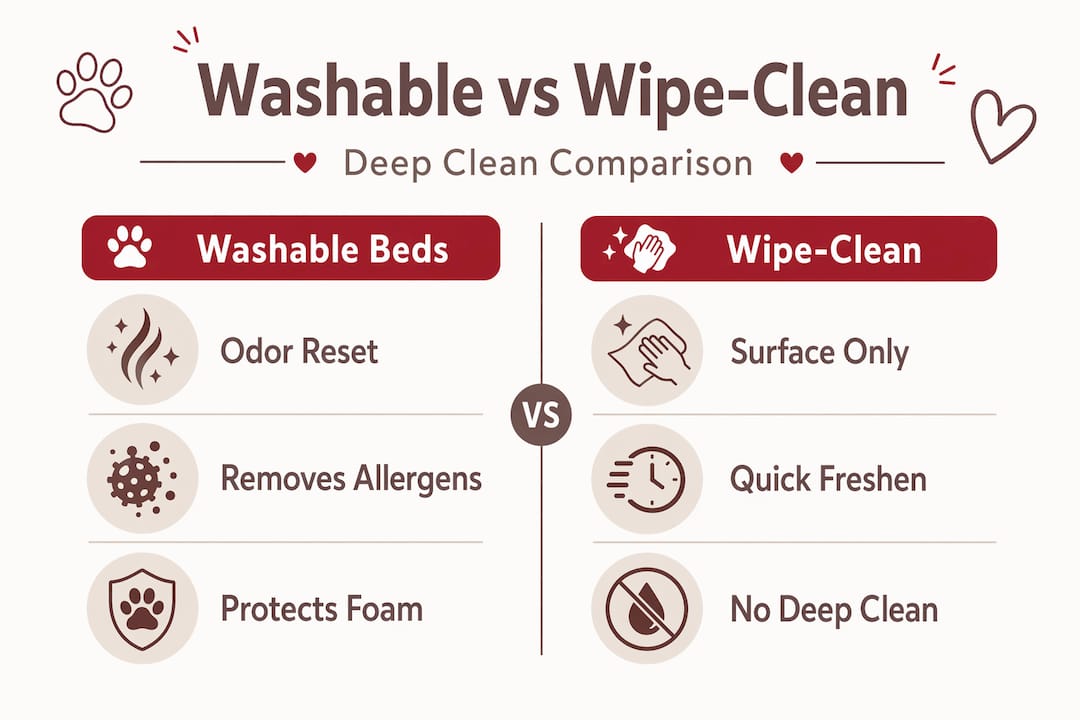
A wipe-clean surface handles mud and surface moisture reasonably well. What it cannot do is pull embedded skin oils, shed dander, and deep-set odors out of the fabric. Those compounds work their way into the fiber structure of a bed over weeks, and no amount of surface wiping reverses that. Machine-washable covers are the only way to actually reset a bed’s hygiene baseline.
The advantages of washable dog beds become especially clear in households with allergy-sensitive people or dogs with skin conditions. Dander, dust mites, and bacteria accumulate in bedding at a rate that surprises most owners. A bed that looks clean can carry a significant microbial load by the end of a single week. The health tips for dog owners most veterinarians emphasize consistently include regular bedding hygiene as a foundational step, not an optional one.
Here is what regular washing actually addresses that wipe-cleaning misses:
- Embedded skin oils that cause that persistent “dog smell” even after surface cleaning
- Dander and hair woven into fabric fibers that trigger allergic reactions
- Bacteria and yeast that thrive in warm, moist bedding environments
- Dust mites that colonize foam and fabric within weeks of first use
- Odor-causing compounds that bond chemically to fabric and require water and agitation to remove
As one independent comparison found, machine-washable covers provide a “true odor reset” that wipe-clean surfaces simply cannot match. That phrase is worth taking seriously. Odor reset means starting from a genuinely clean baseline, not masking buildup with fragrance or surface treatment.
Pro Tip: If your dog’s bed smells within two or three days of cleaning, you are dealing with embedded contamination that surface cleaning cannot fix. Switch to a fully removable, machine-washable cover and the problem typically resolves within two wash cycles.
Features of high-quality washable dog beds: durability, craftsmanship, and protection
Knowing why washable dog beds matter is only half the picture. The other half is understanding which washable dog bed features actually hold up over time and which ones fail quietly after a few laundry cycles.
Fabric quality is the starting point. Tightly woven polyester and canvas-style fabrics resist snagging, pilling, and fiber breakdown through repeated washing. Loosely woven or thin materials may feel soft initially but degrade quickly under the mechanical stress of a washing machine. Look for fabrics with a high thread count or a dense weave structure.
Zippers are where many beds fail unexpectedly. A zipper that works perfectly on day one can split, jam, or corrode after repeated laundering if it is not built for that stress. Heavy-duty zippers like YKK brass are key for surviving repeated machine washes without damage. Hidden zippers add another layer of protection by keeping the zipper pull away from the drum during the wash cycle.
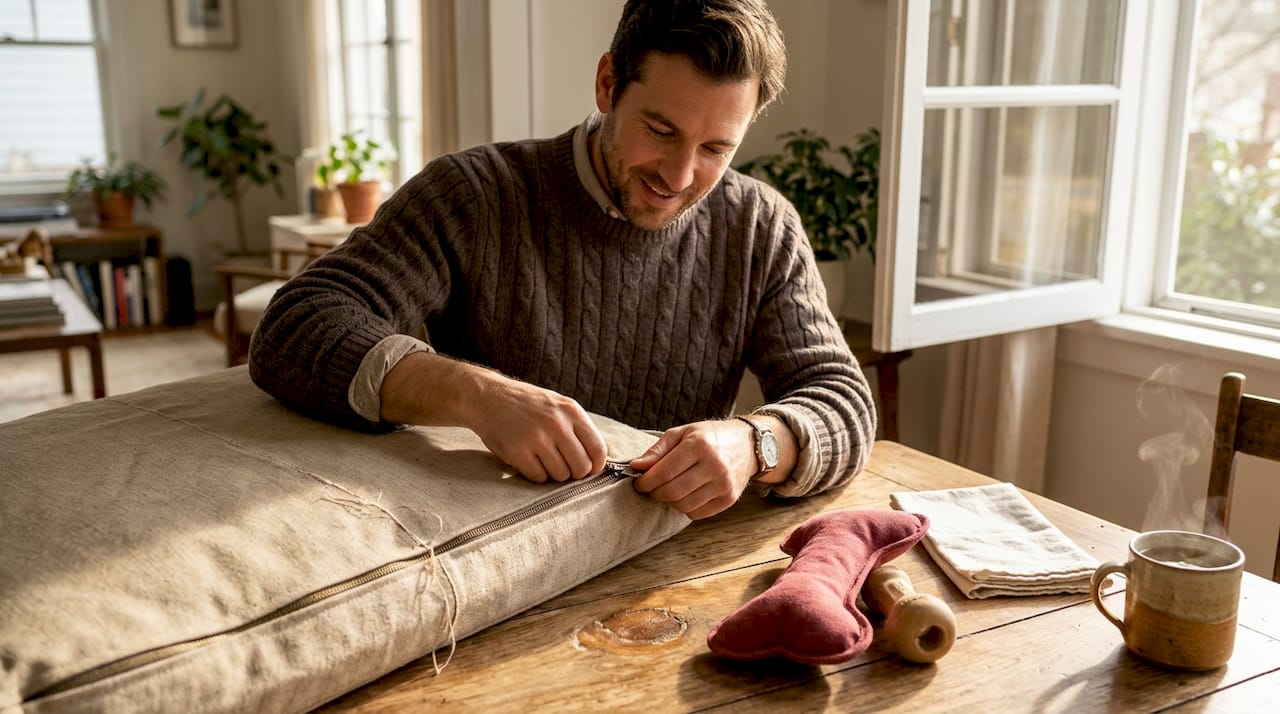
Waterproof protection is where the most confusion lives. A water-resistant dog bed repels light moisture for a short time. A truly waterproof dog bed uses a TPU-laminated liner, which is a thermoplastic polyurethane barrier bonded to fabric, that blocks liquid from reaching the foam entirely. The difference matters enormously when you are dealing with accidents, drool, or a dog that comes in wet from outside. Waterproof dog bed features worth prioritizing include that TPU liner as a non-negotiable layer, not an upgrade.
TPU laminated liners also protect the foam core from moisture saturation, which is the primary cause of premature foam breakdown and persistent odor that no amount of washing can fix once it sets in.
| Feature | Wipe-clean surface | Removable cover only | Layered system (cover + TPU liner) |
|---|---|---|---|
| Odor removal | Surface only | Deep clean possible | Full reset with each wash |
| Liquid protection | Temporary | Depends on fabric | Full barrier protection |
| Wash durability | N/A | Varies by fabric | High with proper materials |
| Foam protection | None | Minimal | Complete |
| Allergy control | Low | Moderate | High |
Pro Tip: Before buying, zip and unzip the cover while it is dry. A zipper that requires force or skips teeth when new will fail faster under washing stress. That five-second test saves a lot of frustration later.
Understanding antimicrobial treatments in washable dog beds
Antimicrobial treatments are one of the most misunderstood features in pet bedding. The marketing language around them often implies they reduce or eliminate the need for washing. They do not.
What antimicrobial treatments actually do is slow bacterial growth between washes. They buy time. They do not remove the oils, dander, and organic material that bacteria feed on. That requires water, agitation, and detergent. Think of antimicrobial treatment as a speed bump, not a barrier.
The type of treatment matters significantly. Silver-ion treatments lose effectiveness quickly when exposed to dog saliva and body oils, while organosilane treatments offer sustained durability through many washes. Copper-infused fibers fall somewhere in between, with good initial performance and moderate wash durability. If odor control is a priority, organosilane-treated fabrics are the more reliable long-term choice.
“Antimicrobial treatments are designed to slow bacterial growth between washes, not replace them.” The distinction matters because relying on treatment alone while skipping regular washing creates a false sense of cleanliness while contamination continues to build.
Here is how to evaluate antimicrobial claims before you buy:
- Check for third-party certification. Look for certifications like OEKO-TEX or EPA registration, which verify both safety and efficacy claims.
- Ask about wash durability. A treatment rated for 50 washes is meaningfully different from one rated for 10.
- Identify the technology. Silver-ion, organosilane, and copper-infused are not equivalent. Ask or look for specifics.
- Read the care instructions. Some antimicrobial treatments degrade with hot water or certain detergents. If the care label conflicts with your cleaning habits, the treatment will not last.
- Treat it as a supplement. Whatever the treatment, antimicrobial pet bed materials work best as one layer of a broader hygiene routine, not a replacement for it.
Practical maintenance tips to maximize washable dog bed lifespan and cleanliness
The best washable dog bed in the world underperforms if the maintenance routine is wrong. These are the cleaning tips for dog beds that actually extend both cleanliness and lifespan.
- Wash the cover weekly on a gentle cycle with cold or warm water. Hot water can shrink covers and degrade waterproof coatings over time.
- Close all zippers before washing. An open zipper can snag the fabric, damage the drum, or stress the zipper teeth during agitation.
- Skip fabric softener. It coats fibers and reduces the absorbency and breathability of the fabric, which traps odors rather than releasing them.
- Avoid bleach on colored or treated fabrics. It breaks down antimicrobial treatments and weakens fiber structure. Use an enzyme-based stain and odor remover instead for targeted treatment.
- Vacuum the foam insert weekly. Hair and dust work into foam quickly and create a reservoir of allergens that the cover alone cannot address.
- Air dry the cover when possible. High heat in a dryer can shrink covers and stress waterproof liners. If you use a dryer, low heat is the safer setting.
- Rotate between two covers if your dog uses the bed daily. This lets one cover dry fully while the other is in use, preventing the mildew growth that comes from putting a slightly damp cover back on foam.
A layered maintenance system of washable cover plus waterproof liner prevents buildup of dander and odors and protects the foam. That layered approach is the single most effective dog bed maintenance tip for owners who want a bed that genuinely stays clean rather than just looking clean.
Pro Tip: Add a cup of white vinegar to the rinse cycle once a month. It neutralizes residual odor compounds in the fabric without damaging fibers or treatments, and it rinses out completely with no lingering scent.
Washable dog beds and their impact on pet and home health
The health benefits of dog beds go beyond your dog’s comfort. A clean bed directly affects the air quality in the room where it sits, the skin health of your dog, and the allergen load in your home overall.
Dogs with skin conditions, seasonal allergies, or sensitivities to dust mites benefit most visibly. Accumulated dander, bacteria, and yeast in bedding cause recurring skin irritation that owners often attribute to food or environmental factors when the actual source is the bed itself. Removing that source through regular washing often produces noticeable improvement within a few weeks.
The numbers behind this are striking. Washable bedding combined with cleaning routines reduced allergens by 68% and veterinary respiratory incidents by about 30% in a puppy breeder study. Those figures reflect what consistent hygiene actually accomplishes in a real environment.
Key health impacts of maintaining a clean, washable dog bed:
- Reduced dander circulating in the air from the bed’s surface and surrounding area
- Lower bacterial load on your dog’s skin, reducing hot spots and recurring infections
- Fewer dust mite colonies in the foam, which benefit both dogs and allergy-sensitive family members
- Improved indoor air quality in the room where the bed is located
- Less frequent veterinary visits related to skin and respiratory issues
Hygienic dog bedding options that combine washable covers with waterproof liners address all of these factors simultaneously. The investment in a well-designed bed pays back in reduced vet bills and a healthier dog.
Why choosing the right washable dog bed is a long-term health and comfort investment
Here is the perspective most buying guides skip: the purchase price of a washable dog bed is almost irrelevant compared to the cost of replacing a cheap one every eight months. And yet most buyers focus almost entirely on upfront cost.
The real calculation involves wash durability. A cover that pills and thins after 20 washes is not a washable bed in any meaningful sense. It is a bed with a short lifespan wearing washable marketing. Owners who have gone through two or three cheap replacements often discover that one well-made bed with quality fabric, a proper zipper, and a TPU liner costs less over three years than the cycle of replacements.
There is also a drying time problem that almost nobody talks about when choosing a bed. Thick covers and dense foam take significantly longer to dry than the tag suggests. If you are washing weekly and the cover takes 24 hours to fully dry, you either need a second cover or you are putting a damp cover back on the foam, which creates exactly the mildew problem you were trying to prevent. This is a practical planning detail that quality construction addresses through breathable fabrics and appropriately sized covers that dry faster.
American-crafted dog beds tend to address these details more consistently than mass-produced alternatives because the manufacturing standards and material sourcing are held to a higher bar. That is not nationalism, it is a practical observation about quality control. When you can trace where the fabric was woven and where the zipper was sourced, the accountability chain for durability is shorter and more reliable.
The best outcomes come from pairing a well-made bed with a consistent maintenance routine. Neither element works as well without the other. A great bed neglected becomes a health hazard. A diligent cleaning routine applied to a poorly made bed produces a worn-out cover that no longer protects the foam. The synergy between product quality and owner habits is where the real value lives.
Explore premium washable dog beds crafted for lasting comfort and easy care
Now that you know what separates a genuinely washable dog bed from one that just claims to be, the next step is finding options built to those standards.
At American Bark Bliss, the premium washable dog beds are designed with durable fabrics, heavy-duty zippers, and TPU waterproof liners that hold up through real-world washing routines. Every product reflects a commitment to American craftsmanship, which means tighter quality control and materials you can trust. Pair your dog’s bed with a dog toy storage bin to keep the sleep area tidy, and add a dog grooming kit to round out a complete care routine that supports your dog’s comfort from the inside out.
Frequently asked questions
What is the main benefit of a washable dog bed over a wipe-clean surface?
Washable dog beds allow for a deep clean that removes embedded skin oils, odors, and allergens that wipe-clean surfaces cannot eliminate. A true odor reset requires water, agitation, and detergent working through the full fabric structure.
How often should I wash my dog’s washable bed cover?
For best hygiene and odor control, wash your dog’s bed cover weekly or whenever it shows signs of dirt, odor, or accidents. Weekly washing reduces allergens and bacteria to levels that protect both your dog and your household.
Are antimicrobial treatments a substitute for washing?
No, antimicrobial treatments slow bacterial growth between washes but do not replace the need for regular cleaning. As research on antimicrobial pet fabrics confirms, these treatments are designed to supplement washing, not eliminate it.
What materials offer the best durability for washable dog bed covers?
Durable fabrics like tightly woven polyester or canvas, combined with heavy-duty zippers and TPU-laminated liners, provide the best longevity for washable covers. Canvas-style fabrics and tightly woven polyester resist snagging and hold up well with repeated laundering.
Can washable dog beds help reduce pet allergens in the home?
Yes, regular washing of dog bed covers significantly reduces dander and allergen buildup, improving air quality and reducing allergy symptoms. Studies show washable bedding routines can cut allergen levels by 68% and reduce veterinary respiratory incidents by around 30%.
Leave a comment