

Advantages of Custom Pet Beds for Your Dog's Health
TL;DR:
- Custom pet beds offer orthopedic support and emotional comfort tailored to each dog’s health and behavior. They reduce joint pain, anxiety, and resource guarding, ultimately improving daily energy and well-being. Proper selection and maintenance ensure long-lasting benefits that support a dog’s health over their lifetime.
A custom pet bed is defined as a tailored sleeping surface designed to match your dog’s specific size, weight, health profile, and sleeping habits. The advantages of custom pet beds go well beyond aesthetics. Dogs with arthritis, hip dysplasia, anxiety, or pressure sore risks gain measurable health benefits from beds built around their individual needs. Sleep quality directly ties to immune function and memory retention in dogs, meaning the right bed affects everything from energy levels to how well your dog retains training. This guide breaks down exactly what personalized pet beds deliver and when they are worth the investment.
1. Advantages of custom pet beds for orthopedic health
Custom orthopedic beds provide precise pressure redistribution that standard beds cannot replicate. A dog with arthritis or hip dysplasia carries uneven weight across joints during sleep. A bed built to that dog’s body weight and sleeping posture spreads pressure evenly, reducing pain and morning stiffness.
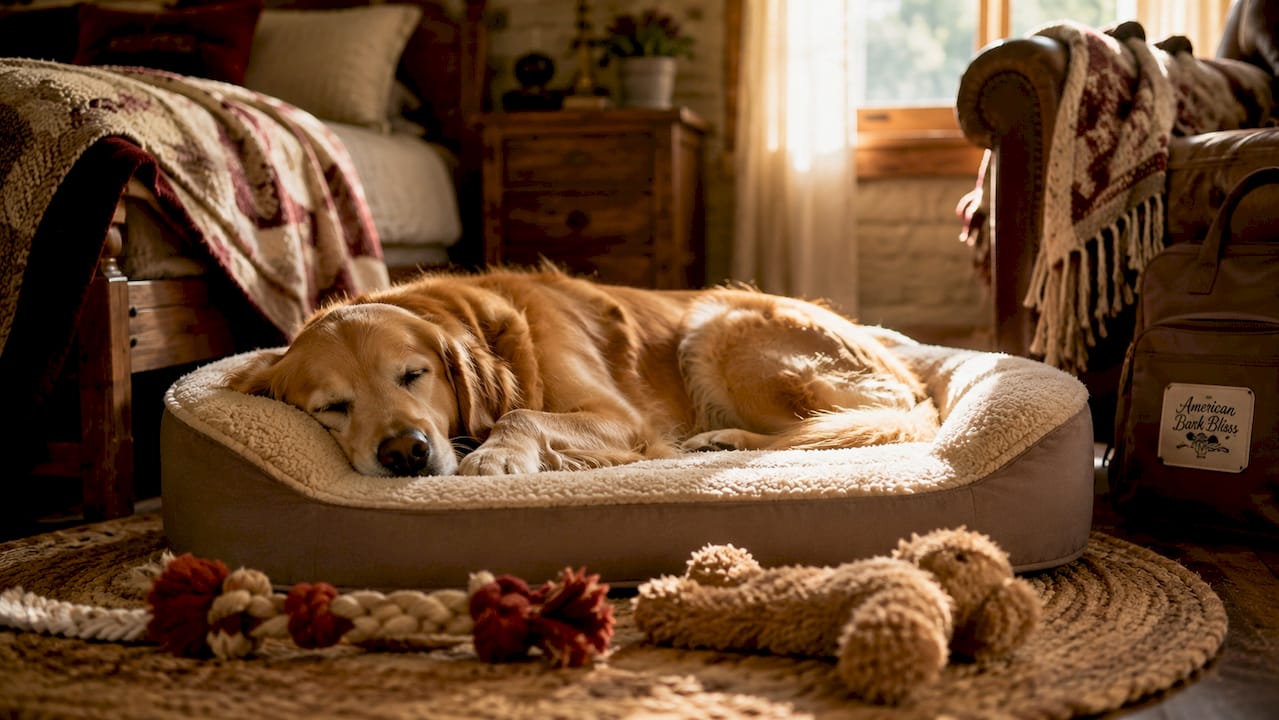
Custom solutions prevent recurring pressure sores and reduce discomfort for dogs with documented medical needs. This matters most for large breeds like German Shepherds and Labrador Retrievers, senior dogs over seven years old, and any dog recovering from orthopedic surgery.
The two most effective foam types for orthopedic support are memory foam and high-density orthopedic foam. Memory foam contours to the dog’s body and redistributes weight dynamically. High-density foam holds its shape longer and works better for heavier dogs who would compress softer materials flat within weeks.
- Memory foam: Best for dogs with joint pain; conforms to body shape and reduces pressure points
- High-density foam: Best for large or heavy breeds; maintains support over time without flattening
- Elevated orthopedic beds: Provide 360-degree airflow and cushion weight simultaneously, ideal for dogs in warm climates or those prone to overheating
Pro Tip: Ask your vet for your dog’s weight distribution profile before ordering a custom orthopedic bed. Some dogs carry 60% of their body weight on their front legs, which changes the foam density you need.
2. How personalized beds reduce anxiety and support emotional well-being
A dedicated, familiar sleeping space reduces canine anxiety at a behavioral level. Anxiety-prone dogs show less pacing and more calm when given a consistent safe space they recognize as their own. This is especially true for dogs adopted from shelters, who often arrive without any established territory.
Personalization features like embroidered names or scent-familiar fabrics reinforce the dog’s sense of ownership over the space. That sense of ownership builds confidence. A dog that knows where its space is tends to settle faster at night and recovers more quickly from stressful events like thunderstorms or vet visits.
- Shelter and rescue dogs: Benefit most from a defined personal space during the adjustment period
- Noise-sensitive dogs: A familiar bed in a low-traffic corner acts as a reliable retreat
- Multi-dog households: Individual beds prevent resource guarding and reduce tension between dogs
- Puppies: A consistent sleeping spot during the first weeks accelerates house training and reduces nighttime crying
The bond between a dog and its bed is not sentimental. It is behavioral. A bed that smells familiar, fits the dog’s body, and stays in a consistent location becomes a genuine anchor for calm behavior throughout the day.
3. What custom features make bespoke pet beds superior in comfort and durability
Custom pet bed features separate a bed that lasts two years from one that lasts six months. The most important features are sizing, material quality, and washability.
Sizing matters more than most dog owners expect. A bed too small forces the dog to curl unnaturally, putting strain on the spine. A bed too large fails to provide the enclosed, secure feeling many dogs prefer. Custom sizing matches the dog’s actual stretched-out length plus a few inches, while accounting for whether the dog sleeps curled, sprawled, or on its side.
| Feature | Custom beds | Standard beds |
|---|---|---|
| Sizing | Matched to dog’s body and sleep style | Fixed sizes (S/M/L/XL) |
| Foam density | Specified by weight and health need | Generic fill, often inconsistent |
| Cover material | Washable, hypoallergenic options available | Varies; many are not machine washable |
| Aesthetic | Matches home decor, color, and style | Limited options |
| Durability | Built for specific use case | Designed for average use |
Washable covers prevent mites and skin allergy triggers while making maintenance practical for busy dog owners. A cover you can remove and machine wash every two weeks keeps allergen levels low and extends the life of the foam insert significantly.
Pro Tip: Choose a cover with a zipper that runs at least three-quarters of the way around the insert. Covers that only partially open are frustrating to remove and often get skipped during cleaning.
4. When are custom pet beds worth the investment?
Custom beds function as medical investments when they address a specific clinical deficit. Veterinary and wellness experts recommend custom beds primarily for dogs with clear medical profiles requiring targeted support. For healthy adult dogs without joint issues or anxiety, a high-quality off-the-shelf orthopedic bed often delivers comparable results at a lower price.
The clearest cases where custom beds justify the cost:
- Senior dogs with arthritis or hip dysplasia: Standard beds flatten under their weight and stop providing support within months.
- Dogs recovering from orthopedic surgery: Precise pressure relief accelerates recovery and prevents new pressure sores.
- Large breeds over 60 pounds: Generic foam compresses too quickly; custom density holds up longer.
- Dogs with recurring skin issues or allergies: Hypoallergenic custom materials reduce flare-ups directly linked to bedding.
- Highly anxious dogs: A personalized, correctly sized bed with familiar materials reduces behavioral symptoms measurably.
Investing in a quality custom bed can reduce expensive veterinary visits by preventing injuries like pressure ulcers. One senior dog with recurring pressure sores avoided repeat vet visits entirely after switching to a custom orthopedic bed. The upfront cost paid for itself within a few months.
Clinical functionality should guide your choice rather than aesthetics. A beautiful bed that does not address your dog’s actual physical needs delivers no health benefit over a standard option.
5. How a custom bed improves your dog’s daily energy and movement
The connection between sleep quality and daytime behavior is direct. Proper rest improves energy and cognitive function in dogs, which shows up in how alert, trainable, and playful they are during waking hours. A dog sleeping on a bed that causes discomfort wakes up stiff and fatigued, even after a full night’s rest.
A custom bed can become an anchor space that increases a dog’s confidence and reduces morning stiffness. Dogs that wake without pain move more freely, engage more readily with exercise, and show fewer signs of behavioral frustration. For working dogs or dogs in active training programs, this difference in morning readiness has a real impact on performance.
The benefits of personalized pet beds compound over time. A dog that sleeps well consistently maintains healthier joint function, a stronger immune response, and better emotional regulation. The bed is not a luxury item in this context. It is a daily health tool.
6. How to choose and maintain a custom pet bed for lasting benefits
Choosing the right custom bed starts with three measurements: your dog’s length from nose to tail base, shoulder width, and body weight. These numbers determine the correct foam density and bed dimensions. You also need to know your dog’s preferred sleep position, since a dog that sleeps sprawled flat needs a different shape than one that curls tightly.
Maintenance practices that extend bed life:
- Wash the cover every 10–14 days to prevent allergen and bacteria buildup
- Rotate or flip the foam insert monthly to prevent uneven compression
- Replace the foam insert every 18–24 months, even if the cover looks fine
- Spot clean the foam with a diluted pet-safe enzyme cleaner for accidents; never soak it
Proper bed placement encourages dogs to use their beds over furniture, reducing pet hair on sofas and improving household hygiene. Place the bed in a low-traffic area away from drafts, but within sight of the family’s main living space. Dogs are social animals and will not use a bed that feels isolated.
For multi-pet households, place one bed per dog in separate areas of the home. This eliminates competition and gives each dog a reliable personal space. For seasonal use, consider a thinner elevated bed for summer and a deeper foam bed for winter months.
Pro Tip: When you choose pet bedding for the first time, let your dog sniff and investigate the new bed before placing it in its permanent spot. Dogs that explore a bed on their own terms adopt it faster than dogs that are placed on it.
Key Takeaways
Custom pet beds deliver the greatest health value when matched to a dog’s specific medical profile, size, and behavioral needs rather than chosen for appearance alone.
| Point | Details |
|---|---|
| Orthopedic support | Custom foam density prevents pressure sores and reduces joint pain in senior and large-breed dogs. |
| Anxiety reduction | A consistent, personalized space reduces pacing and restless behavior in anxious and rescue dogs. |
| Washable materials | Removable, machine-washable covers prevent allergens and extend the bed’s usable life significantly. |
| Clinical justification | Vets recommend custom beds for dogs with documented medical needs; standard beds suffice for healthy adults. |
| Long-term value | Preventing pressure ulcers and joint damage reduces veterinary costs over the dog’s lifetime. |
Why I think most dog owners underestimate their dog’s sleep needs
I have spent years watching dog owners invest heavily in food, training, and enrichment while treating the bed as an afterthought. The thinking goes: dogs sleep anywhere, so the bed does not matter much. That assumption is wrong, and the consequences show up slowly enough that most owners never connect the dots.
The dogs I have seen benefit most from premium orthopedic beds are not the ones with dramatic diagnoses. They are the seven-year-old Labrador who started slowing down on walks, or the anxious rescue who never fully settled at night. In both cases, the right bed produced visible changes within two to three weeks.
The misconception I hear most often is that a custom bed is a luxury for spoiled pets. The reality is that customization is just specificity. You are not buying a fancier bed. You are buying the right bed for that particular dog’s body and behavior. That distinction matters enormously for health outcomes.
My honest advice: start with your vet. Get a clear picture of your dog’s joint health, weight distribution, and any anxiety markers before you spend money on a custom option. Prioritize clinical function first. Aesthetics can follow once the health needs are met.
— Christopher
Quality dog beds from Americanbarkbliss
Americanbarkbliss carries a curated selection of dog beds built for real comfort and lasting durability, all made with American craftsmanship in mind.

The Teal Native Rectangle Dog Bed features a removable, washable cover and works indoors and outdoors, making it a practical pick for dogs who move between spaces. For dogs that prefer a cozy, enclosed feel, the Lounger Pet Bed in Pittie Pink delivers raised edges that support the head and neck during rest. Both options reflect the comfort-first approach that dog owners researching dog bed buying tips consistently prioritize. Browse the full bed collection at Americanbarkbliss to find the right fit for your dog’s size, sleep style, and health needs.
FAQ
What are the main advantages of custom pet beds?
Custom pet beds provide orthopedic support, anxiety relief, and a precise fit that standard beds cannot match. Dogs with joint issues, allergies, or anxiety benefit most from beds built around their specific needs.
Are custom pet beds worth it for healthy adult dogs?
Standard high-quality orthopedic beds often suffice for healthy adult dogs without medical needs. Custom beds deliver the clearest value for senior dogs, large breeds, and dogs with documented health conditions.
How often should I replace a custom dog bed?
Replace the foam insert every 18–24 months, even if the outer cover remains intact. Compressed foam no longer provides adequate pressure relief, which defeats the purpose of an orthopedic bed.
Do personalized pet beds actually reduce dog anxiety?
Yes. Anxiety-prone dogs show measurably less pacing and restless behavior when given a consistent, familiar sleeping space. The bed functions as a behavioral anchor, not just a comfort item.
What custom pet bed features matter most for durability?
The most important features are foam density matched to the dog’s weight, a removable machine-washable cover, and a zipper that allows easy removal. These three factors determine how long the bed performs at full effectiveness.
Leave a comment